
Michigan Senate Debate Ends with Sharp Clashes Over Trust, Iran, and Trump Ties
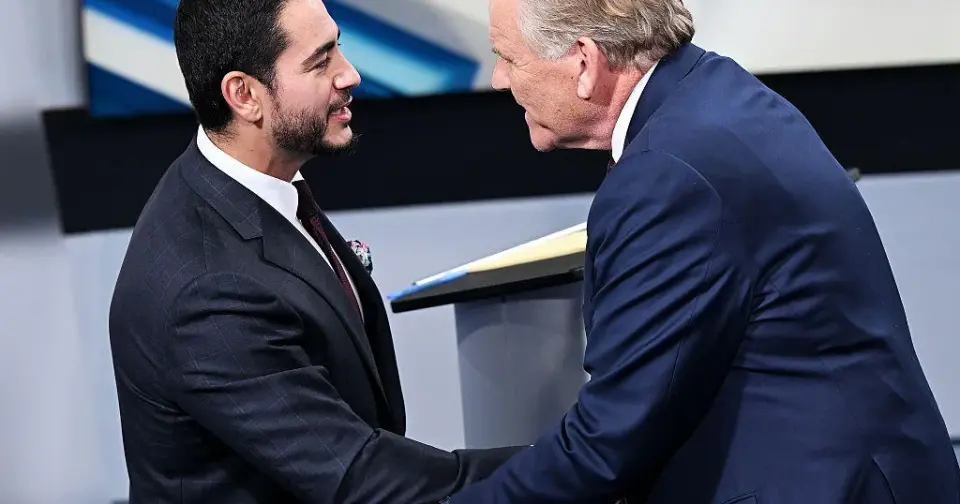
The final Michigan Senate debate saw Democrat Abdul El-Sayed and Republican Mike Rogers clash over trust, the Iran war, and healthcare policy. El-Sayed accused Rogers of being a 'sock puppet' for President Trump, while Rogers questioned El-Sayed's honesty and ties to the Muslim Brotherhood. The debate was less chaotic than the first but remained contentious, with both candidates attacking each other's credibility ahead of the crucial November vote.
Key points
- El-Sayed repeatedly linked Rogers to Trump, calling him a 'sock puppet' and criticizing his support for the Iran war and tariffs.
- Rogers accused El-Sayed of a 'pattern of deception,' questioning his medical credentials and alleged ties to the Muslim Brotherhood.
- The debate was held in Southfield, Michigan, less than two weeks before Election Day, and was described as tamer than the first debate but still testy.
- Both candidates clashed on issues including Medicare for All, immigration enforcement, and the cost of living, with Rogers emphasizing manufacturing job losses and El-Sayed focusing on healthcare access.
- Rogers suggested El-Sayed might not qualify for a security clearance, while El-Sayed dismissed the Muslim Brotherhood allegations as 'shameful' and beneath Rogers.
Background
The Michigan Senate race is one of the most closely watched contests in the 2026 midterms, with polls showing a neck-and-neck race. The seat is being vacated by retiring Democrat Gary Peters. Previous debates and events have seen intense personal attacks, including President Trump mocking El-Sayed's name and faith, and controversies over El-Sayed's past associations. The race is critical for determining Senate control, with Democrats hoping to capitalize on voter frustration with inflation and the Iran war, while Republicans aim to exploit divisions among progressive Democrats.
How outlets are covering it
CBS News highlighted El-Sayed's focus on tying Rogers to Trump and Rogers' attacks on El-Sayed's trustworthiness and past positions. NBC News noted the debate was tamer than the first but still featured heated clashes, with Rogers attempting to interrupt El-Sayed. ClickOnDetroit emphasized the candidates' disagreements on immigration, healthcare, and the Iran war, noting Rogers' defense of ICE and El-Sayed's criticism of the agency's tactics. All sources agreed the debate was contentious but less chaotic than the first, with both candidates attacking each other's credibility and policy positions.
Why it matters
The Michigan Senate race is pivotal for determining which party controls the Senate in the 2026 midterms. The outcome could influence national policy on healthcare, immigration, and foreign affairs, particularly regarding the Iran war and tariffs. The debate highlighted deep divisions between progressive and moderate Democrats, as well as the impact of President Trump's policies on voter sentiment. The race's outcome could also affect the balance of power in Congress and the ability to pass or block legislation on key issues.
What to watch
The final sprint in the Michigan Senate race will likely focus on voter outreach and debate fallout, with both candidates intensifying efforts to win over skeptical voters. President Trump is expected to hold a rally in Michigan on Sunday, which El-Sayed has criticized. The race remains too close to call, with polls showing a neck-and-neck contest. The outcome will be crucial for determining Senate control and influencing national policy in the 2026 midterms.
- In final Michigan Senate debate, El-Sayed ties Rogers to Trump, while Rogers says El-Sayed is untrustworthy CBS News
- Midterm election live updates: In Michigan and Kansas Senate debates, Republicans make careful breaks with Trump CNN
- Abdul El-Sayed and Mike Rogers’ final debate clash sets up final sprint in Michigan NBC News
- The lingering tension from 2024 that could cost Democrats the Michigan Senate race The Boston Globe
- Rogers, El-Sayed battle over immigration, health care, and Iran in Michigan Senate debate ClickOnDetroit | WDIV Local 4
Want the full story? Read the original reporting
Read on CBS News