
Michigan Senate Race Heats Up as GOP Links El-Sayed to Muslim Brotherhood
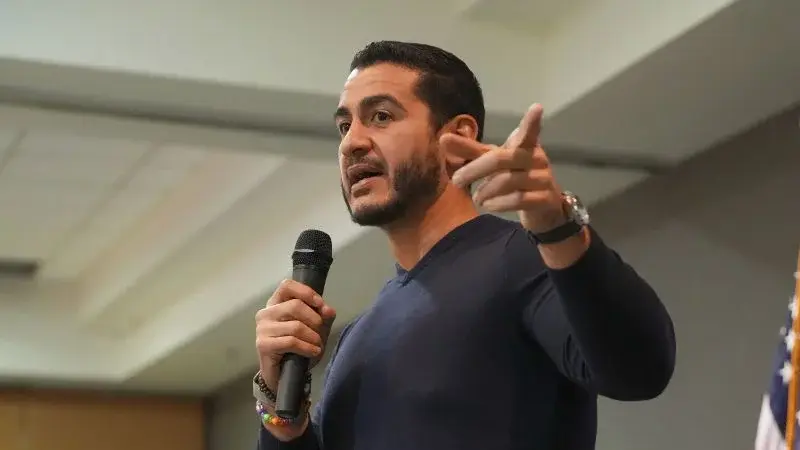
Republican attacks linking Democratic Senate nominee Abdul El-Sayed to the Muslim Brotherhood have intensified in Michigan’s 2026 race. President Trump called El-Sayed a 'jihadist,' while opponent Mike Rogers cited El-Sayed’s family history and past writings. El-Sayed disavowed the group at a town hall, framing the attacks as 'dual loyalty' accusations similar to those faced by JFK and Obama. The controversy has become a central flashpoint in the closely contested election.
Key points
- President Trump referred to El-Sayed as 'Mohammed' and falsely labeled him a 'jihadist' at a recent rally.
- Republican candidate Mike Rogers accused El-Sayed of aligning with the Muslim Brotherhood, citing his mother’s past work with the Islamic American Relief Agency and his half-sister’s 2012 social media posts.
- El-Sayed disavowed the Muslim Brotherhood at a town hall in Caro, Michigan, but clashed with a heckler who demanded he do so, leading to a heated exchange.
- El-Sayed compared the attacks to historical 'dual loyalty' accusations against Catholic John F. Kennedy and Muslim-origin Barack Obama, arguing the GOP lacks a message on real issues.
- El-Sayed signed an open letter in 2012 supporting Egyptian President Mohamed Morsi, who was elected with Muslim Brotherhood support, and wrote an op-ed in 2011 supporting Arab protesters in Egypt.
Background
The Michigan Senate race is one of the most important in the 2026 midterms, with El-Sayed currently trailing slightly in polls against Mike Rogers. The controversy over El-Sayed’s religious ties has dominated the final weeks of the campaign, with Republicans emphasizing his family’s connections to the Muslim Brotherhood and El-Sayed denying any organizational ties. Earlier coverage noted that PolitiFact rated Rogers’ claim that El-Sayed failed to disavow the group as 'False,' and a CBS reporter deleted a post criticizing El-Sayed’s response after backlash. A former aide to Senator Josh Hawley was identified as the heckler who challenged El-Sayed at the town hall.
Why it matters
The Muslim Brotherhood controversy has become a central flashpoint in Michigan’s Senate race, with Republicans using it to cast El-Sayed as sympathetic to Islamic extremism. The attacks have intensified in the closing weeks of the election, with Trump and Rogers amplifying claims about El-Sayed’s faith and family ties. El-Sayed has framed the attacks as Islamophobic 'dual loyalty' accusations, arguing they distract from real issues. The controversy highlights deep divisions in the race and could influence voters in the closely contested election.
What to watch
The Michigan Senate race will conclude in the November 2026 election, with the Muslim Brotherhood controversy likely to remain a key issue. El-Sayed and Rogers are expected to continue debating the topic, with El-Sayed emphasizing his policy positions and Rogers focusing on his religious ties. The outcome of the race could have significant implications for the balance of power in the Senate and the broader 2026 midterms.
Want the full story? Read the original reporting
Read on CNN