
Midterm 2026: Polls show Democrats near 99% odds for House, but Republicans brace for 'wave' losses
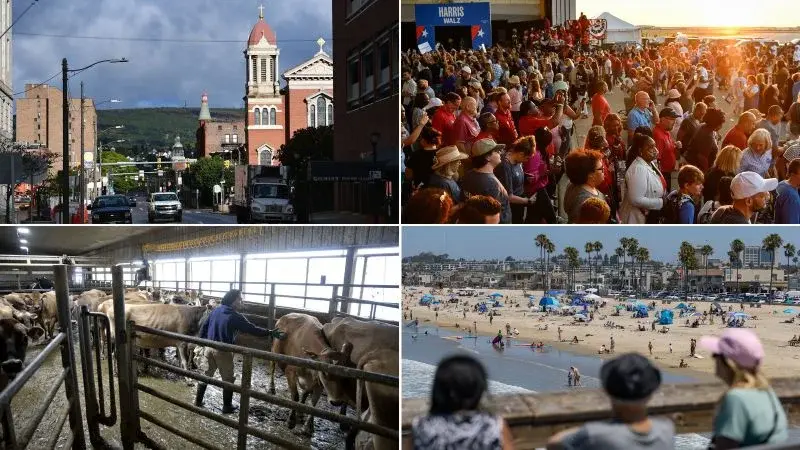
With one month left until the November 2026 midterms, polling models indicate a 99% probability that Democrats will win the House, while the Senate race remains tighter but still favors the opposition. Analysts attribute this shift to a broad backlash against President Donald Trump’s second term, particularly among Latino, rural, and blue-collar voters who supported him in 2024. Key battlegrounds include suburban 'melting pots' in Texas and California, as well as rural agricultural counties in the Midwest. While Democrats face challenges in urban centers due to turnout issues, Republicans are scrambling to defend seats in traditionally safe states like Kansas and Nebraska, where economic pain from tariffs and the Iran war is driving voter defection.
Key points
- G. Elliott Morris’s model assigns a 99% probability to Democrats winning the House, driven by a generic ballot lead of 8-9 points.
- The Senate race is closer, with Democrats needing four pickups to secure a majority; key states include North Carolina, Texas, and Ohio.
- Trump’s approval rating has dropped sharply among Latino, rural, and non-college-educated White voters, reversing 2024 gains.
- Republicans are pouring resources into states like Alaska, Texas, and Iowa to defend seats that were previously considered secure.
- Economic factors, including high diesel prices and farm input costs from tariffs, are driving discontent in rural agricultural counties.
Background
This election follows a period of significant redistricting by Republicans in 2025, which was designed to counter anticipated Democratic gains. However, the 2024 surge of Latino voters toward Trump appears to be reversing, invalidating the assumptions behind many new district maps. Additionally, recent legal battles over polling site cuts in Texas and federal directives on election security have heightened tensions in the final month of the campaign.
How outlets are covering it
CNN’s analysis emphasizes the 'wave' nature of the election, comparing it to the 1994 Republican takeover, and highlights specific counties across six demographic categories to gauge the shift. The Washington Post notes that while Democrats have strong polling, Republicans possess significantly more campaign funds and a highly motivated base, creating a 'grim' outlook for the GOP. The Guardian focuses on the 'affordability crisis' and the disconnect between Trump and his base, noting that many voters feel the party has aligned with corporate interests. Paul Krugman’s discussion with pollsters underscores the fragility of the 2024 Republican map, arguing that the Latino shift was temporary and that current polling errors could be larger than average due to the rapid change in voter sentiment.
Why it matters
The outcome will determine whether Congress can check the executive branch’s powers, particularly regarding the Iran war and economic policy. A Democratic sweep could trigger investigations into the administration’s actions, while a Republican hold would solidify the current political landscape despite declining approval ratings.
What to watch
The final month will focus on turnout efforts in urban and rural areas, potential legal challenges to voting access, and the impact of late-breaking economic data on voter sentiment. The election is scheduled for November 3, 2026.
- The counties to watch on the massive midterm elections battlefield CNN
- Four ways the midterm elections could go, one month away The Washington Post
- Monday briefing: You asked, we answered – how will the US midterms go? The Guardian
- The Midterms! Paul Krugman | Substack
- Commentary: What's going to happen in the midterm election? Find out here. (Maybe) Los Angeles Times
Want the full story? Read the original reporting
Read on CNN