
Flock Safety Cameras Become a Bipartisan Flashpoint in 2026 Midterms
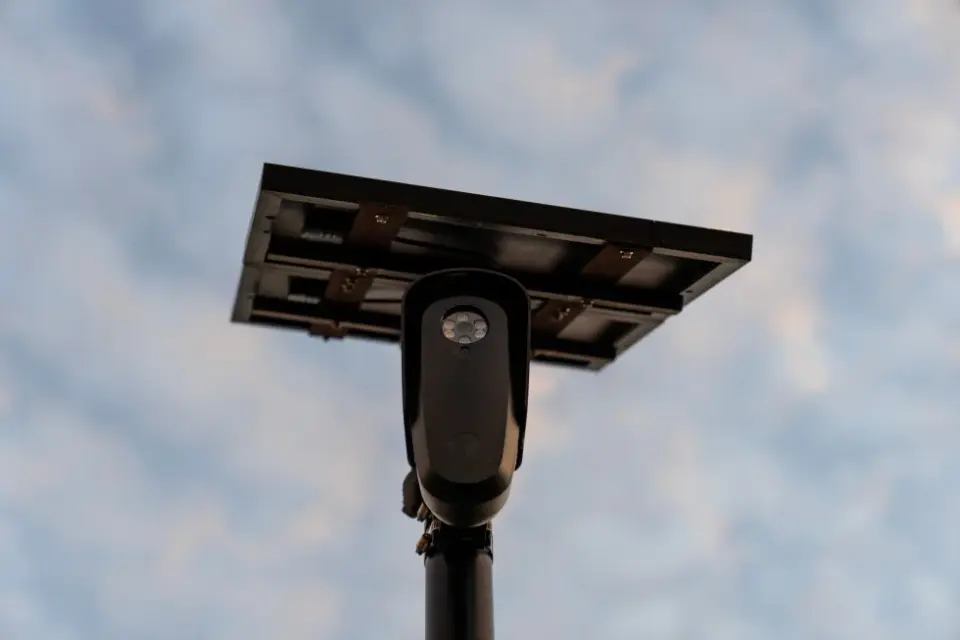
Flock Safety’s automated license plate readers have evolved from a niche law enforcement tool into a central issue in the 2026 midterm elections, driving a rare bipartisan consensus against mass surveillance. While Democrats and Republicans differ on their underlying motivations, both sides are pushing for bans, funding cuts, or strict regulatory frameworks. The controversy has prompted a federal investigation by Senator Josh Hawley, expanded to include competitors Motorola Solutions, Verkada, and Axon Enterprise, and has led to physical sabotage of camera infrastructure in several states. Law enforcement groups remain staunch defenders of the technology, arguing that removing it hampers crime-solving capabilities, while privacy advocates and some politicians demand immediate moratoriums and data retention limits.
Key points
- Senator Josh Hawley expanded his Senate Judiciary Subcommittee investigation into Flock Safety to include Motorola Solutions, Verkada, and Axon Enterprise, demanding answers on data retention and misuse.
- In Pennsylvania, Governor Josh Shapiro supports a statewide ban, while his opponent, Treasurer Stacy Garrity, also calls for a ban, citing privacy invasion.
- In Wisconsin, Democratic nominee David Crowley issued orders limiting Flock use in Milwaukee County, while Republican opponent Tom Tiffany proposed pausing state funding and creating a privacy task force.
- Rhode Island Governor Dan McKee paused new camera installations weeks before the primary, citing privacy concerns, though his opponent questioned the timing.
- Florida’s administration ordered the removal of license plate readers from state highways, and Texas Governor Greg Abbott halted state agency funding for Flock cameras.
- Physical backlash has emerged, with individuals sawing down camera poles or blocking lenses with cardboard in Florida, reflecting intense public anger.
Background
The controversy began escalating in late August 2026, following earlier reports of municipalities canceling contracts and a Senate investigation into Flock Safety. Previous coverage highlighted that over 50 jurisdictions had already cut ties with the company, and that the technology had been used in approximately 1 million investigations and 10,000 missing-persons cases. The current surge in political attention coincides with the 2026 midterm campaign season, where surveillance technology has become a proxy for broader debates on AI, privacy, and government overreach.
How outlets are covering it
AP News emphasizes the bipartisan nature of the backlash, noting that both Democratic and Republican candidates are using Flock cameras to appeal to voters concerned about privacy and government overreach. Fox News highlights the ideological convergence, pointing out that while Republicans focus on privacy and warrantless tracking, far-left groups are linking Flock cameras to broader anti-AI and anti-data center campaigns, often funded by pro-China interests. The Atlantic frames the backlash as a sudden, unified public revolt that transcends traditional partisan lines, comparing it to a 'flight of starlings' and noting that critics include prominent voices from both the right and left. Dakota News Now focuses on the local implementation challenges, highlighting the tension between law enforcement’s need for the technology in serious crimes and residents’ fears of constant surveillance, with South Dakota seeking to create a middle-ground regulatory framework.
Why it matters
The Flock Safety controversy signals a shift in how Americans view government surveillance, moving from abstract concerns to tangible, physical resistance. It forces a national debate on the balance between public safety and privacy in the age of AI, potentially leading to new federal regulations or state-level bans. The bipartisan nature of the opposition suggests that surveillance technology may become a permanent fixture in political discourse, influencing future legislation on AI and data privacy. Additionally, the physical sabotage of cameras indicates a level of public anger that could escalate, posing challenges for law enforcement and local governments trying to maintain order while respecting privacy concerns.
What to watch
Senator Josh Hawley’s investigation into Flock Safety and its competitors will likely result in new federal guidelines or legislation regarding data retention and usage. State-level bans or moratoriums may spread as more governors and legislators weigh in on the issue. Law enforcement groups may push back against bans by highlighting specific cases where the technology solved crimes, potentially leading to a compromise that includes stricter oversight rather than outright prohibition. The physical backlash against cameras may continue, with more incidents of sabotage or obstruction, forcing local governments to decide whether to remove or protect the infrastructure. The 2026 midterm election results will determine which political factions have the power to implement these changes, potentially setting a precedent for future AI and surveillance regulations.
- Flock surveillance cameras become midterm campaign target as voters balk at tech companies' power apnews.com
- License plate readers spark debate in Coeur d'Alene krem.com
- Three new companies face Josh Hawley's investigation into AI surveillance and vehicle tracking Fox News
- Attorney General on Flock Cameras: South Dakota could set the standard on usage Dakota News Now
- Why the Flock Backlash Has Gotten So Intense The Atlantic
Want the full story? Read the original reporting
Read on apnews.com