
Midterm Democracy Survives via Legal Mobilization, Not Systemic Strength
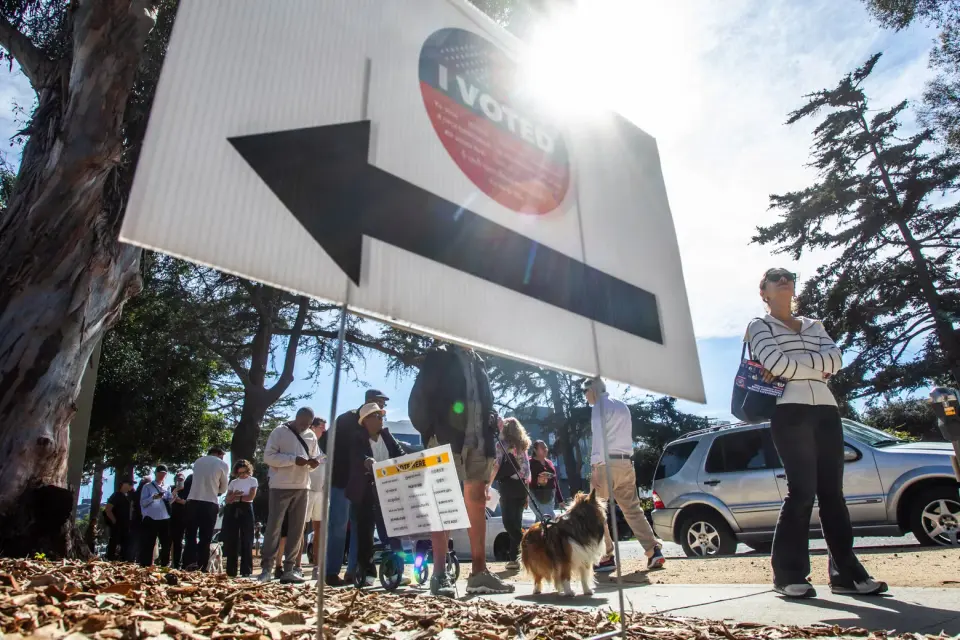
The 2026 U.S. midterms concluded with Democrats regaining control of both the House and Senate, despite extensive interference attempts by the Trump administration. While President Trump publicly accepted the results, the outcome was secured through the coordinated efforts of civil rights lawyers, election officials, and courts rather than inherent systemic resilience. The administration’s Justice Department failed in 27 attempts to obtain voter data and faced judicial rebukes for its unprecedented pre-election legal maneuvers. Although no major Election Day disruptions occurred, the administration continues to challenge certification in Alaska and has signaled ongoing scrutiny of voting data, highlighting persistent vulnerabilities in the electoral process.
Key points
- Democrats won control of the U.S. House and Senate, with Speaker Mike Johnson acknowledging the loss of the House majority.
- President Trump stated he was 'absolutely willing' to accept the results, though the Justice Department signaled potential challenges to the Alaska Senate race.
- The administration’s Justice Department failed 27 times to obtain unredacted voter rolls and lost multiple emergency petitions regarding mail ballot rules.
- Federal courts rejected administration attempts to seize ballots or interfere with state certification, citing the Purcell Principle and constitutional limits on executive power.
- Voter turnout surged, with early voting increasing by 34% compared to 2022, which helped neutralize potential interference by making margins too large to rig.
- The Justice Department deployed approximately 1,000 monitors to polling places, but no widespread interference was reported, though some unusual questioning occurred in New Mexico.
Background
Prior to the election, the Trump administration pursued aggressive strategies to influence outcomes, including pushing the SAVE Act and filing lawsuits to block certification in Alaska. These efforts faced significant legal and political backlash, with courts consistently rejecting claims of widespread noncitizen voting. Additionally, Justice Elena Kagan had warned that the Supreme Court’s conservative majority had created a 'nightmare' democracy through rulings on redistricting and campaign finance, heightening concerns about the stability of the electoral process ahead of the midterms.
How outlets are covering it
Slate emphasizes that the survival of democracy was due to the laborious efforts of thousands of lawyers and election administrators, rather than the strength of the electoral system itself. NPR highlights the lack of widespread disruptions on Election Day, noting that while the Justice Department deployed monitors, no significant interference was reported, and voters turned out in record numbers. The Conversation focuses on the unprofessional and unprecedented nature of the Justice Department’s interference, arguing that the department’s actions strained its credibility and violated the nonpolitical status traditionally associated with the agency. While all sources agree on the Democratic victory and the failure of the administration’s interference attempts, they differ in emphasis: Slate credits civil society and legal mobilization, NPR focuses on the smooth execution of voting despite concerns, and The Conversation criticizes the Justice Department’s conduct and professionalism.
Why it matters
The 2026 midterms demonstrate that American democracy remains vulnerable to executive interference but can be defended through coordinated legal and civic efforts. The failure of the administration’s attempts to manipulate elections highlights the importance of robust legal frameworks and active civil society in protecting electoral integrity. However, the ongoing challenges in Alaska and the administration’s continued scrutiny of voting data indicate that the threat to democratic norms persists, requiring sustained vigilance and institutional resilience.
What to watch
The administration may continue to challenge the certification of the Alaska Senate race and scrutinize voting data for potential irregularities. Democrats, now controlling both houses of Congress, may initiate investigations into the Justice Department’s actions and the role of key officials in the pre-election interference. The outcome of the 2028 election will depend on whether the administration disengages from election subversion or continues to pursue aggressive strategies, potentially facing a more ruthless and competent opponent in the future.
- Our Democracy Was Hanging by a Thread. Here’s the Real Reason It Held. Slate Magazine
- Trump says he’ll accept the results after weeks of priming voters to doubt them The Washington Post
- Minute-by-minute updates on the 2026 election Votebeat
- Tens of millions cast ballots for midterms despite worries of Trump's interference NPR
- Justice Department’s interference before midterms was unsuccessful, unprofessional and unprecedented The Conversation
Want the full story? Read the original reporting
Read on Slate Magazine