
Midterm elections and GOP rifts threaten Trump's $1.5 trillion defense budget
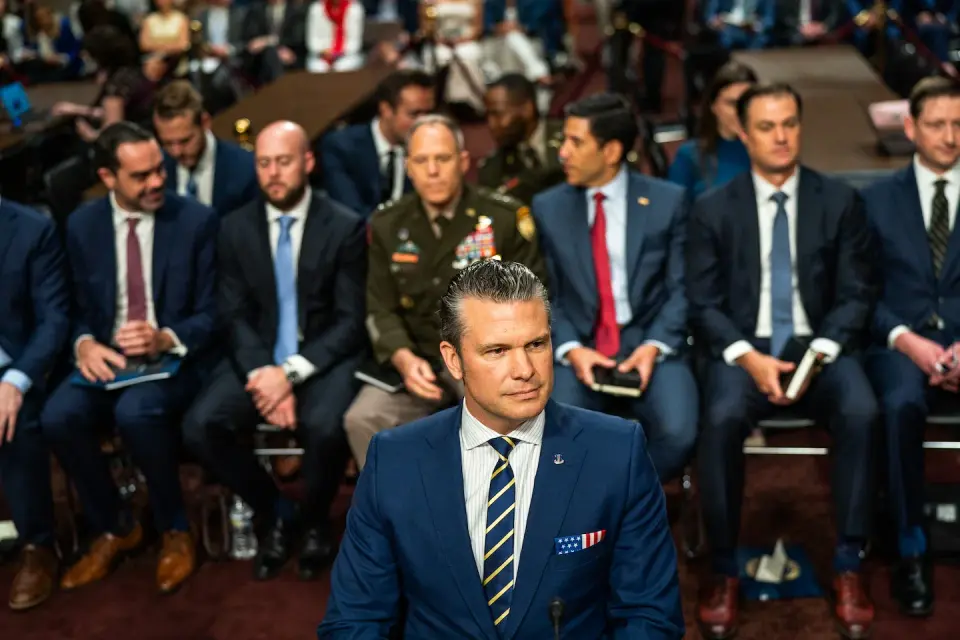
The Trump administration's record $1.5 trillion defense budget faces severe legislative gridlock ahead of the November 3 midterms. The plan is split into a $1.15 trillion base requiring bipartisan support and a $350 billion reconciliation package relying on a party-line Republican vote. With only 20 legislative days remaining, the NDAA has stalled in the Senate, and the defense appropriations bill is at risk of failing. The impasse is driven by Democratic opposition to the Iran war and Republican defections over the administration's shifting stance on Russia. A failed budget would leave the Pentagon unable to replace munitions depleted during the Iran conflict, which has already cost over $47 billion.
Key points
- The $1.5 trillion defense request is divided into a $1.15 trillion base budget and a $350 billion reconciliation package, with the latter relying entirely on Republican votes.
- The National Defense Authorization Act (NDAA) failed to advance in the Senate, and the defense appropriations bill is at high risk of failing before the current Congress ends.
- The Iran war has cost over $47 billion, forcing the Pentagon to delay training and maintenance to cover expenses, and the administration has requested an additional $67 billion in supplemental funding.
- Republican defense hawks are threatening to withhold support for the budget due to the administration's recent concessions to Russia, including waiving sanctions and slowing Ukraine's satellite defenses.
- Democrats are blocking the budget to protest the Iran war, while Republicans blame the administration's exclusion of Democrats from classified briefings for the breakdown in communication.
Background
This gridlock follows months of escalating tensions between the Pentagon and Congress. In September, Senate Democrats demanded a full cost breakdown of the Iran war after the Pentagon provided only a seven-page budget request. In October, the administration prepared contingency plans for a 'Mother of All Bombs' strike on Iran, though President Trump stated he would not order attacks before the midterms. The current impasse is part of a broader pattern of partisan conflict over defense policy, which has historically remained insulated from Washington's political divisions.
How outlets are covering it
The Washington Post emphasizes the personal and adversarial behavior of Defense Secretary Pete Hegseth as the primary driver of the breakdown in bipartisanship, noting that his exclusion of Democrats from briefings and combative tone have strained dealmaking. Politico highlights a different fracture: Republican defense hawks are breaking with the administration over its concessions to Russia, warning that the budget will fail if the White House does not adopt a tougher posture toward Moscow. CSIS provides a technical analysis of the legislative timeline, noting that the short remaining session and the lack of a unified Republican strategy make passing the full $350 billion reconciliation package unlikely, with the House budget resolution only proposing $60 billion. Breaking Defense focuses on the electoral consequences, noting that the potential loss of key GOP defense advocates like Susan Collins and Rob Wittman could further weaken the administration's ability to pass its agenda.
Why it matters
The failure of the defense budget would leave the U.S. military unable to replace munitions depleted during the Iran war, potentially hampering readiness for years. The gridlock also signals a shift in the historical bipartisan consensus on defense policy, with both parties using the budget as a tool to advance their political agendas. The outcome of the midterms will determine whether Republicans can pass the reconciliation package in a lame-duck session or if Democrats will gain leverage to negotiate a more moderate defense budget in the new Congress.
What to watch
Congress must decide how to fund the government by the expiration of the current continuing resolution on December 11. If Democrats win control of one or both chambers, they may pass another CR and punt full-year appropriations to the new Congress. Republicans will attempt to pass a reconciliation package in the lame-duck session, but the short timeline and internal party divisions make success uncertain. The House is expected to return in November, where Hegseth may face an impeachment vote over the Iran war.
- Inside the breakdown of Trump’s $1.5 trillion Pentagon plan The Washington Post
- GOP defense hawks break with Trump ahead of the midterms Politico
- FY 2027 Defense Funding: Potential Post-Midterm Outcomes CSIS | Center for Strategic and International Studies
- 2026 midterm cheat sheet: Which races to watch on defense Breaking Defense
- Pentagon requests $1.5 trillion for 2027 — The Rio Times UA.NEWS
Want the full story? Read the original reporting
Read on The Washington Post