
Midterm Stakes: GOP Warns Senate Loss Could Freeze Supreme Court Appointments
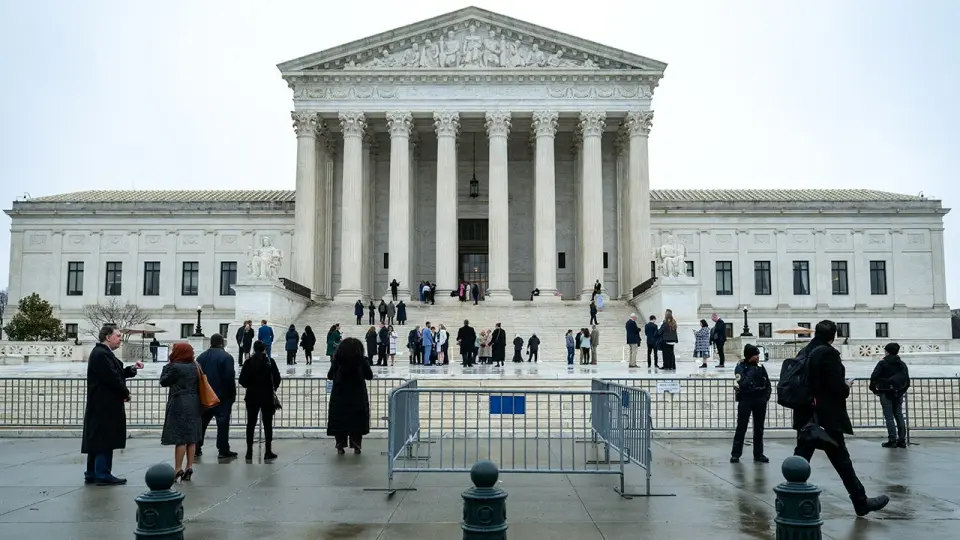
With 34 days left until the 2026 midterms, Republicans are intensifying warnings that losing Senate control would block President Trump from appointing Supreme Court justices, potentially freezing the court's composition for decades. While Democrats frame this as a necessary check against ideological appointments, GOP leaders argue that a Democratic majority would enable court-packing and other judicial overhauls. The urgency is heightened by the aging Supreme Court, with Justices Clarence Thomas, Samuel Alito, and Sonia Sotomayor nearing retirement. Trump has publicly expressed concern about losing key red-state races, while Democrats vow to block judicial nominees if they gain Senate control. The stakes extend beyond the court, with Republicans warning that a Democratic Congress could also pursue DC statehood and other structural changes.
Key points
- Sen. Steve Daines (R-Mont.) warns that losing the Senate would prevent Trump from confirming Supreme Court nominees, potentially freezing the court's composition for 25 years or more.
- The Supreme Court is aging, with Justices Clarence Thomas (78), Samuel Alito (76), Sonia Sotomayor (72), and Chief Justice John Roberts (71) nearing retirement.
- Democrats, led by Senate Minority Leader Chuck Schumer, have vowed to block Trump's judicial nominees if they win Senate control, mirroring the Republican strategy used against President Obama's Merrick Garland nomination.
- Trump has publicly expressed concern about losing key red-state races, including Texas, Michigan, and South Carolina, and has urged Republican voters to turn out despite his party's polling challenges.
- Republicans are warning that a Democratic Congress could also pursue court-packing and DC statehood, while Democrats frame their stance as a necessary check against ideological appointments.
Background
The 2026 midterms are shaping up as a critical test for both parties, with control of the Senate potentially determining the future of the Supreme Court and other key institutions. In September 2026, House Democrats blocked a Republican bid to cap the Supreme Court at nine justices, highlighting ongoing partisan clashes over the court's size. The current Senate race is a toss-up, with Democrats needing a net gain of four seats to win control, but current projections show a possible net gain of one to five seats. The aging Supreme Court and the potential for court-packing or other judicial overhauls have made the 2026 midterms a high-stakes contest for both parties.
How outlets are covering it
Fox News emphasizes the GOP's warning that losing the Senate would block Trump from appointing Supreme Court justices, framing it as a critical issue for voters. CNN highlights the growing panic within the GOP, noting Trump's public expressions of concern about losing key red-state races and his efforts to rally support in states like Nebraska and South Carolina. Roll Call focuses on Trump's shift in tone, noting his willingness to acknowledge his party's challenges and his efforts to frame the midterms as a referendum on his administration. Democrats, as reported by Fox News and Roll Call, frame their stance as a necessary check against ideological appointments, while Republicans argue that a Democratic majority would enable court-packing and other structural changes. The outlets differ in their emphasis: Fox News focuses on the Supreme Court stakes, CNN on the GOP's panic, and Roll Call on Trump's shifting tone and messaging.
Why it matters
The 2026 midterms could determine the future of the Supreme Court and other key institutions, with control of the Senate potentially blocking or enabling judicial appointments and other structural changes. The aging Supreme Court and the potential for court-packing or other judicial overhauls have made the 2026 midterms a high-stakes contest for both parties. The outcome could shape the court's composition for decades, with implications for issues ranging from healthcare to gun rights to voting rights. The midterms also test the resilience of the GOP's base and the ability of Democrats to build a coalition around key issues, including judicial appointments and structural changes.
What to watch
The next 34 days will be critical for both parties, with Trump and GOP leaders urging Republican voters to turn out despite polling challenges. Democrats will continue to frame their stance as a necessary check against ideological appointments, while Republicans will emphasize the stakes of losing Senate control. The outcome of key red-state races, including Texas, Michigan, and South Carolina, will be crucial in determining the balance of power in the Senate. The 2026 midterms could also set the stage for future debates over court-packing, DC statehood, and other structural changes, with implications for the court's composition and the balance of power in the government.
- Republicans sound alarm over hidden midterm stakes that could reshape Supreme Court for decades Fox News
- The biggest signs that Trump and the GOP are panicking about the midterms CNN
- Trump expressing concern about GOP midterm chances Roll Call
- Brooks and Atkins Stohr on GOP vulnerabilities in the midterms PBS
- Trump is turning out Democrats, but can he still do it for the GOP? The Hill
Want the full story? Read the original reporting
Read on Fox News