
Mississippi Senate count stalls as unverified credit data inactivates 230,000 voters
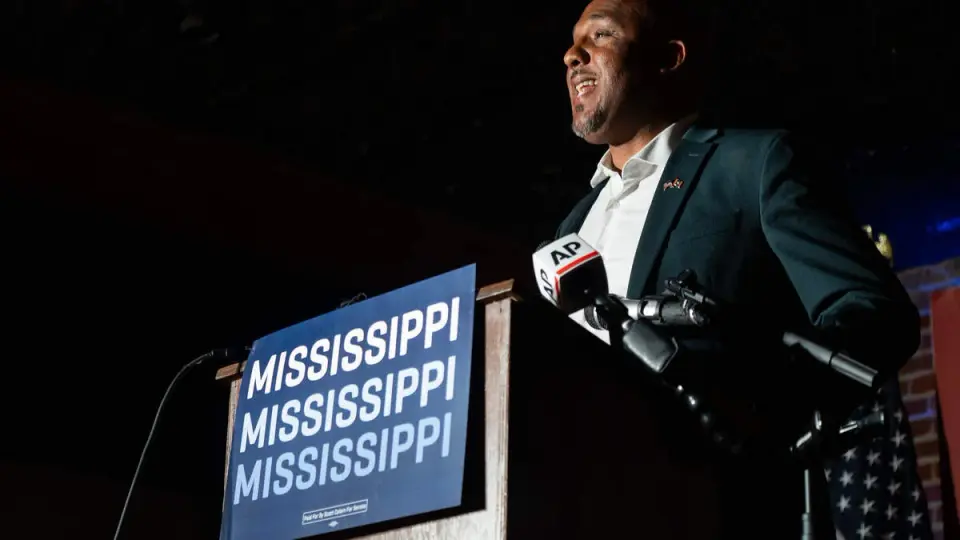
Mississippi’s 2026 U.S. Senate race remains unresolved after Secretary of State Michael Watson’s office used unverified address data from credit bureau Experian to inactivate over 230,000 voters. Civil rights groups warned Watson to reinstate these voters before Election Day, but he refused, citing a blackout period. This led to a surge in affidavit ballots, delaying the count in a razor-thin race between Democrat Scott Colom and Republican Cindy Hyde-Smith. While Watson defends the process as a security measure, critics argue the data was flawed and that the state failed to verify errors, potentially disenfranchising eligible voters and delaying results until November 13.
Key points
- Secretary of State Michael Watson’s office used a $50,000 deal with Experian to supply unverified address data for voter roll maintenance, inactivating over 230,000 voters by Election Day.
- A coalition of civil rights groups, including the NAACP Legal Defense Fund and ACLU, demanded Watson reinstate inactivated voters by Election Day, but he did not respond, citing a legal blackout period on roll maintenance.
- The inactivations caused widespread confusion at polling places, forcing many voters to cast affidavit ballots, which are now being reviewed by county election commissions.
- The delay has stalled the certification of the U.S. Senate race, where Democrat Scott Colom holds a narrow lead over incumbent Cindy Hyde-Smith, with final results due by November 13.
- Watson defended the use of commercial data as a way to ensure election integrity, while critics and local officials argue the data was unreliable and that the state failed to verify errors before acting.
Background
Mississippi’s use of commercial data for voter roll maintenance began in 2024, replacing traditional U.S. Postal Service records. Earlier coverage noted that this shift led to widespread inactivations in the 2024 primaries and presidential election, with errors persisting into the 2026 midterms. The state’s reliance on third-party data has drawn scrutiny from voting rights advocates, who argue that the lack of verification has created a new barrier to voting, particularly for students and residents with complex address histories.
How outlets are covering it
Mississippi Today and the Biloxi Sun Herald emphasize the failure of the Secretary of State’s office to verify Experian’s data, highlighting specific cases of wrongful inactivation and the refusal to reinstate voters before Election Day. They frame the issue as a systemic failure that threatens the integrity of the Senate race. WLOX focuses on the logistical aftermath, detailing the review of affidavit ballots in Harrison County and the uncertainty surrounding the final vote count. Yahoo highlights the national implications, noting that Experian stated its data was not intended for voter roll purges and that Watson was warned about the unverified nature of the data. The Andrew Goodman Foundation, via Mississippi Today, frames the issue as a racial and generational barrier to voting, arguing that the reliance on commercial data disproportionately affects young voters and students. Watson’s perspective, as reported by multiple outlets, defends the use of commercial data as a necessary step to ensure election security and prevent fraud, despite the known errors.
Why it matters
The unresolved Senate race in Mississippi, a state with a significant Black population and a history of voting restrictions, highlights the risks of relying on unverified commercial data for voter roll maintenance. The delay in counting affidavit ballots could determine the outcome of a historic race, potentially shifting the balance of power in the U.S. Senate. The controversy also raises broader questions about the reliability of third-party data in election administration and the potential for disenfranchisement, particularly for vulnerable populations such as students and low-income voters. The outcome may set a precedent for how states handle voter roll maintenance in the future, with implications for election integrity and access.
What to watch
County election commissions are reviewing affidavit ballots, with a deadline of November 13 for certification. The final outcome of the Senate race depends on the acceptance or rejection of these ballots, which could shift the narrow lead held by Scott Colom. Civil rights groups are demanding that Watson halt any purges of voters inactivated based on Experian’s data and stop using unverified commercial data. Watson’s office has stated it has switched to a new vendor, IDI Data, but critics remain skeptical about the reliability of the new data. Legal challenges may follow if the results are contested, and the controversy could lead to legislative or regulatory changes in how states manage voter rolls.
- Why were so many Mississippi voters removed from the state’s voter rolls? Sun Herald
- An Electoral Mess in Mississippi The Atlantic
- Mississippi’s newest barrier to voting is Experian data, brother of slain civil rights activist writes Mississippi Today
- Harrison County commissioners review affidavit ballots at Gulfport office WLOX
- How reliance on a credit reporting agency led to Mississippi’s voting mess in the midterms Yahoo
Want the full story? Read the original reporting
Read on Sun Herald