
Mississippi Senate race hinges on curing 8,000 to 12,000 disputed ballots
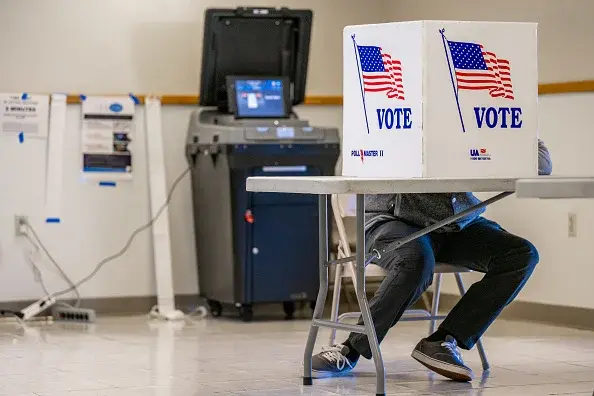
The 2026 Mississippi U.S. Senate race between Democrat Scott Colom and Republican Cindy Hyde-Smith is so close that the outcome may depend on the 'curing' of 8,000 to 12,000 affidavit ballots. These ballots were set aside due to technical issues, primarily stemming from a surge in voter inactivations caused by the state’s use of commercial data from Experian. Voters have until November 10 to correct errors, such as providing photo ID or verifying address details, to ensure their votes are counted before counties certify results on November 13.
Key points
- Colom holds a narrow lead over Hyde-Smith, making the count of set-aside ballots critical for determining the winner.
- Approximately 8,000 to 12,000 affidavit ballots remain to be processed as of November 5, 2026.
- Voters flagged as 'inactive' or lacking photo ID must visit their local Circuit Clerk’s office by November 10 to cure their ballots.
- Acceptable IDs for curing include state driver’s licenses, U.S. passports, student IDs, and pistol permits.
- Mississippi’s Secretary of State Michael Watson defended the use of Experian data, stating it strengthens election integrity despite concerns from voting rights advocates.
Background
This situation follows a broader national trend where delayed results in close races are attributed to complex counting processes rather than fraud. In Mississippi, the issue is compounded by a recent shift in voter roll maintenance. Previously, counties relied on verified government data; however, the state adopted a $50,000 deal with Experian in 2025 to clean rolls, which critics argue led to erroneous inactivations. This current crisis is part of a larger pattern where commercial data vendors have been scrutinized for accuracy in maintaining voter eligibility, similar to controversies in other states regarding mass purges of voter lists.
How outlets are covering it
Mississippi Today and the ACLU of Mississippi emphasize that the surge in inactivations, particularly in DeSoto County where over 15,000 voters were removed, is a 'red flag' indicating errors in Experian’s data. They argue this creates unnecessary burdens and potential disenfranchisement. Conversely, Secretary of State Michael Watson, as reported by WDAM-TV, maintains that voter roll maintenance is essential for integrity and that affidavit ballots serve as a safety net to catch errors. WLOX notes that some inactivations may result from standard processes like returned mail or change-of-address updates, suggesting not all cases are due to data vendor errors. Democracy Docket highlights the procedural mechanics, noting that while some ballots can be cured automatically by election commissioners, voters are encouraged to follow up personally to ensure their votes count.
Why it matters
The outcome of the Mississippi Senate race could influence the balance of power in the U.S. Senate, making the accurate counting of every ballot crucial. The reliance on commercial data for voter roll maintenance raises broader questions about the reliability of election infrastructure and the potential for systemic disenfranchisement. If the cure process fails to validate legitimate votes, it could undermine public confidence in the election results and highlight vulnerabilities in how states manage voter eligibility.
What to watch
Voters have until November 10 to cure their affidavit ballots by providing required identification or information. Counties must certify their election results by November 13. If the margin remains too close after the cure process, the race may proceed to a legal challenge or a recount, as both campaigns have prepared for potential disputes over the counting of set-aside ballots.
- Thousands of Mississippi voters need their ballots ‘cured.’ Here’s how the process works Democracy Docket
- Inactive voter surge raises Experian concerns for 2026 midterms Mississippi Today
- Voter inactivations cause holdup at polls across the state WDAM-TV
- Voter roll updates could mean more affidavit ballots cast WLOX
- Local officials grapple with effects of statewide voter verification problem Northeast Mississippi Daily Journal
Want the full story? Read the original reporting
Read on Democracy Docket