
Missouri voters reject GOP bid to block citizen-led constitutional changes
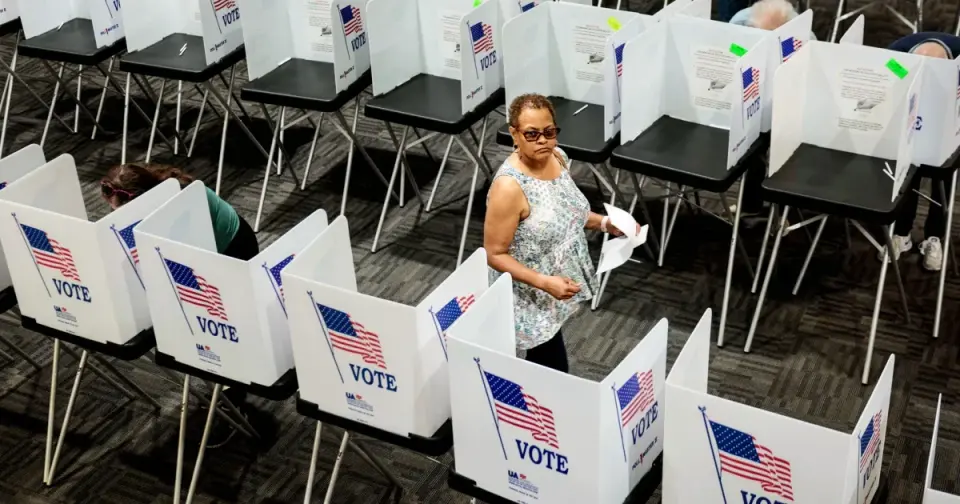
Missouri voters decisively rejected Amendment 4, which would have required citizen-led constitutional amendments to pass in every congressional district, and Amendment 5, which aimed to eliminate the state income tax. The defeats preserve the current simple-majority threshold for direct democracy initiatives and maintain the existing tax structure.
Key points
- Amendment 4 failed with 81.7% of votes against it, preserving the simple statewide majority requirement for citizen-initiated constitutional amendments.
- Amendment 5, which proposed phasing out the individual income tax and expanding sales taxes, was also rejected by voters.
- Opponents of Amendment 4 outspent supporters by over $6 million in broadcast ads, while proponents aired no television advertisements.
- The initiative petition process remains unchanged, allowing citizens to bypass the legislature to propose constitutional changes, a tool used recently to legalize marijuana and expand Medicaid.
- Republican leaders had previously redrew congressional maps and sought to limit direct democracy, citing concerns about out-of-state special interests influencing state policy.
Background
Missouri is one of 26 states allowing direct citizen legislation. In 2026, the state saw a surge in progressive ballot measures, prompting Republican lawmakers to propose stricter thresholds. Previous attempts to limit the initiative process failed, leading to a special session in 2025 to pass Amendment 4. The current political landscape features a Republican-controlled legislature that has repealed some citizen-approved statutes, such as paid sick leave, while voters have used the ballot to enshrine abortion rights and expand Medicaid.
How outlets are covering it
NBC News highlights the financial disparity in the campaign, noting that opponents of Amendment 4 spent over $6 million on ads while supporters aired none. It frames the defeat as a rejection of what it calls the 'strictest passage threshold in the country.' KRCG focuses on the economic implications of the rejected Amendment 5, noting it would have been the first time a state legislature asked voters to eliminate the income tax since its inception. STLPR emphasizes the political reaction, quoting House Minority Leader Ashley Aune as saying the result shows Republicans are out of touch, and Gov. Mike Kehoe as blaming 'special interests' for the defeat. STLPR also notes that the amendment would have added anti-fraud provisions and required full text distribution, which supporters argued were necessary for transparency.
Why it matters
The rejection of Amendment 4 preserves a key mechanism of direct democracy in Missouri, allowing citizens to override the legislature on constitutional issues. This is significant in a state where the Republican-controlled legislature has limited or repealed some citizen-approved policies. The defeat of Amendment 5 maintains the state's current tax structure, avoiding a shift to a sales-tax-heavy model that opponents argued would burden low- and middle-income residents. The outcome signals that Missouri voters are resistant to efforts to restrict their ability to influence state policy through the ballot.
What to watch
Missouri will continue to use the simple majority threshold for citizen-led constitutional amendments. The state legislature may revisit efforts to reform the initiative process, potentially focusing on signature thresholds or other procedural changes. In other states, North Dakota and South Dakota voters will decide in November whether to raise the threshold for citizen-led amendments to 60%, and Utah will vote on a similar measure related to tax increases.
- Missouri voters block GOP-led effort to raise bar for constitutional amendments NBC News
- Missouri voters reject Amendment 5 to phase out income tax and expand sales taxes KRCG
- Missouri voters reject Amendment 4, say no to making it harder to amend the state constitution STLPR
- Missouri voters reject income tax phaseout, initiative petition changes Missouri Independent
- Missouri Is Latest State to Vote on Abolishing Income Tax WSJ
Want the full story? Read the original reporting
Read on NBC News