
Murphy Accuses Pentagon of Concealing Iran War Damage After Base Access Denied
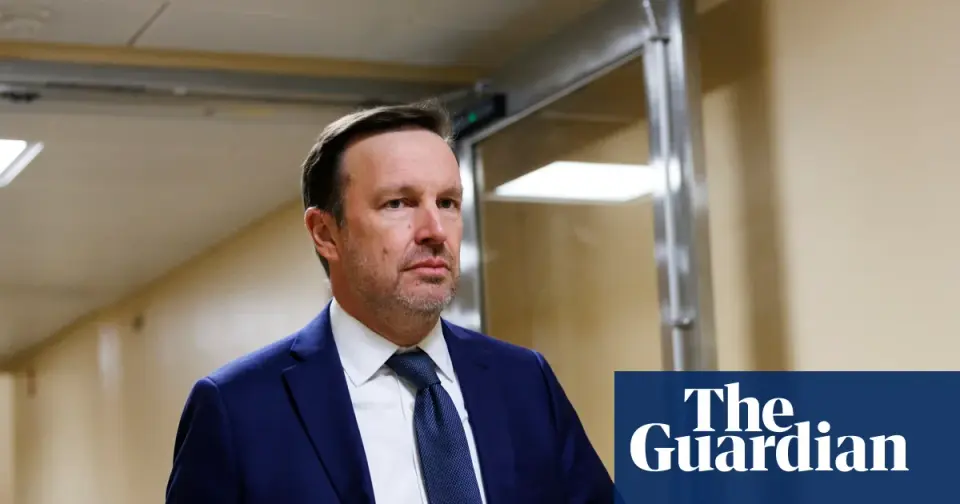
Sen. Chris Murphy (D-CT) accused Defense Secretary Pete Hegseth of hiding the true costs of the Iran war after being denied access to Al Udeid Air Base in Qatar. Murphy reported severe, unrepaired damage to the US embassy in Riyadh and noted that Iranian strikes halted 17% of Qatar’s LNG exports. He plans to leverage upcoming defense appropriations to force base access and potentially end the conflict if Democrats win the midterms.
Key points
- Murphy was barred from Al Udeid Air Base despite advance notice, with the Pentagon citing a March 3 travel restriction directive.
- The senator described the US embassy in Riyadh as 'uninhabitable' after a March 3 drone strike, noting the building was empty at the time but would have caused many casualties during the day.
- Murphy observed that only one LNG tanker was in port in Qatar, compared to the usual six, indicating a 17% drop in exports due to repairs.
- The Pentagon stated the denial was consistent with Hegseth’s guidance and applied evenly to all legislative requests.
- Murphy intends to draft language requiring Pentagon access for Congress in the next fiscal year’s defense authorization bill.
Background
This dispute follows months of congressional pressure for transparency regarding the Iran war’s financial toll. In September, Democrats demanded a detailed cost accounting from the Pentagon, while Republicans faced backlash over Hegseth’s $1.5 trillion budget request. The current conflict has also driven GOP lawmakers to call for an end to the war due to rising gas prices and voter dissatisfaction.
How outlets are covering it
The Guardian and Military Times report that Murphy views the access denial as a deliberate 'cover-up' to mask the war’s human and financial costs, emphasizing the severity of the embassy damage. The Pentagon, however, maintains that the refusal was a standard application of travel restrictions and not a targeted suppression of information. Jewish Insider offers a contrasting view, criticizing Murphy for praising Qatar’s role as a US ally while ignoring the country’s human rights record and support for anti-Israel activities, suggesting his outrage is selective. While the first two sources focus on the procedural and physical damage, the third highlights the political and diplomatic inconsistencies in Murphy’s regional engagement.
Why it matters
The incident highlights the escalating tension between the executive branch and Congress over the Iran war’s transparency and funding. If Democrats win the midterms, they may use defense appropriations to force an end to the conflict, making the Pentagon’s refusal to grant access a potential flashpoint for future legislative battles over military oversight and war powers.
What to watch
Murphy will draft legislation requiring the Pentagon to grant Congress access to overseas bases, aiming to include it in the next fiscal year’s defense authorization bill. He has also warned that if the war continues into early 2027, Congress should withhold defense funding unless it includes a provision to end the conflict. The Pentagon has not indicated any change in its travel restriction policy.
- Democratic senator says Hegseth trying to hide costs of Iran war from US public The Guardian
- Pentagon barred Qatar base access to hide Iran war damage, US senator claims Military Times
- Chris Murphy’s selective outrage in the Middle East Jewish Insider
- Senator Says Pete Hegseth Blocked Him From Seeing Damage at US Base Yahoo
- Democratic Senator Chris Murphy Denied Access to U.S. Air Base in Qatar Democracy Now!
Want the full story? Read the original reporting
Read on The Guardian