
Cornell Case: Jane Doe’s Trauma, Legal Battles, and Institutional Scrutiny
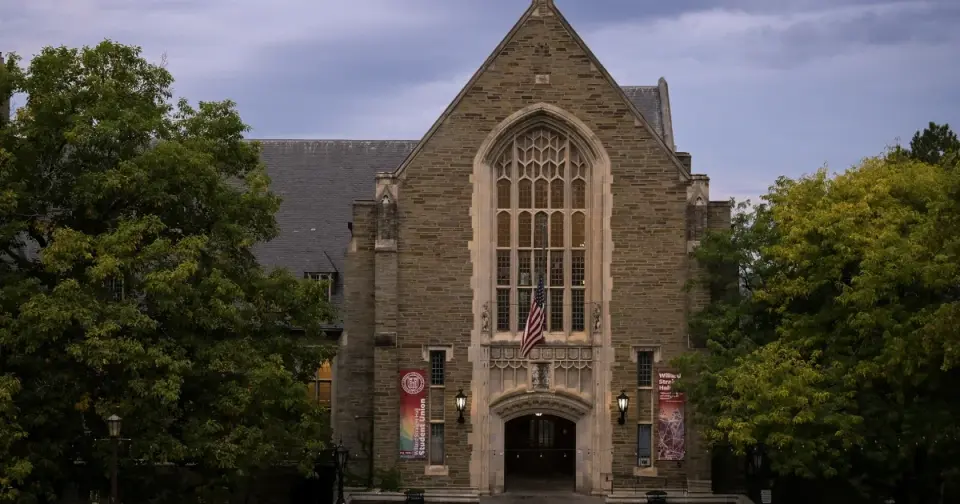
A former Cornell student, known as Jane Doe, has filed a civil lawsuit alleging she was gang-raped by seven fraternity brothers at a Chi Phi house on Oct. 19, 2024. The case has triggered a national crisis, with Cornell hiring former Acting Attorney General Sally Yates for an independent review. While no criminal charges were filed, Doe’s lawsuit targets the university, the fraternity, and her own sorority, Delta Delta Delta, for failing to protect her. Recent reports highlight Doe’s pre-existing self-harm struggles and the university’s delayed response, including a missed rape kit, intensifying scrutiny over institutional accountability.
Key points
- Jane Doe alleges she was drugged and gang-raped by seven men at a Chi Phi fraternity house on Oct. 19, 2024, after consuming approximately 10 drinks in three hours.
- Doe’s lawsuit names Cornell University, the Chi Phi fraternity, an off-campus bar, and her sorority, Delta Delta Delta, as defendants, alleging the sorority failed to protect its members.
- No criminal charges were filed, but Doe sued after a delayed rape kit and a police investigation that concluded without charges.
- Cornell University appointed former Acting Attorney General Sally Yates to lead an independent review of its handling of the case.
- Doe has faced severe safety threats, including a swatting incident and doxxing, forcing her to retreat to her parents' home.
- New York Attorney General Letitia James faces recusal demands over her prior public support for Doe, complicating the criminal investigation.
Background
The Cornell case has drawn national attention since late 2024, with ongoing investigations and protests. Earlier coverage highlighted a judge condemning vigilantism after a Marine’s family was mistakenly targeted by online vigilantes due to a name collision with a defendant. The university’s decision to hire Sally Yates for an independent review followed escalating scrutiny from New York state officials and internal campus unrest, including a faculty no-confidence motion.
How outlets are covering it
NBC News emphasizes the timeline of events, from Doe’s intoxication at a sorority event to the alleged assault at the Chi Phi house, and the university’s delayed response. The New York Times focuses on the role of Delta Delta Delta, questioning whether the sorority shares blame or is a scapegoat, and highlights the lawsuit’s inclusion of the sorority as a defendant. The New York Post details Doe’s pre-existing self-harm struggles, noting that she cut herself in August 2024, and that a fraternity member mentioned her scars during the alleged assault, which Doe said made her feel isolated. The Detroit Free Press provides a detailed timeline, including Doe’s consumption of 10 drinks in three hours, her visit to two bars, and the alleged sequence of events at the fraternity house, including the use of ketamine and other drugs. Outlets differ in emphasis: NBC and the Detroit Free Press focus on the timeline and institutional failures, while the New York Times and New York Post highlight the sorority’s role and Doe’s personal struggles, respectively.
Why it matters
The Cornell case underscores the complexities of handling sexual assault allegations on college campuses, particularly when multiple institutions, including sororities and fraternities, are implicated. The lack of criminal charges and the civil lawsuit highlight the challenges of achieving justice in such cases. The case also raises questions about institutional accountability, the role of sororities in protecting members, and the impact of public scrutiny on victims. The appointment of Sally Yates for an independent review signals the university’s attempt to address the crisis, but the ongoing threats against Doe and the legal battles over the investigation’s impartiality suggest that the case will continue to draw national attention.
What to watch
The independent review led by Sally Yates will likely provide a detailed account of Cornell’s handling of the case, potentially leading to policy changes or disciplinary actions. The civil lawsuit may proceed to trial, with the outcome depending on the evidence presented, including the delayed rape kit and the university’s response. The criminal investigation, if it proceeds, will face challenges due to the recusal demands against Letitia James. Doe’s safety remains a concern, with ongoing threats and doxxing attempts. The case may also influence broader discussions about sexual assault prevention and response on college campuses, particularly regarding the role of sororities and fraternities.
- Jane Doe’s night started with catching up. It ended with a fraternity party that changed everything. NBC News
- At Cornell, a Sorority Finds Itself Sued by One of Its Own The New York Times
- Prosecutors said the Cornell 7 committed no crime. What changed? The Times
- 'Cornell 7' rape accuser detailed self-harm struggle weeks before alleged frat house attack: report New York Post
- What happened to Jane Doe? A timeline of Cornell rape accusations Detroit Free Press
Want the full story? Read the original reporting
Read on NBC News