
Navy’s Silent Removals of Key Officers Spark Congressional Transparency Crisis
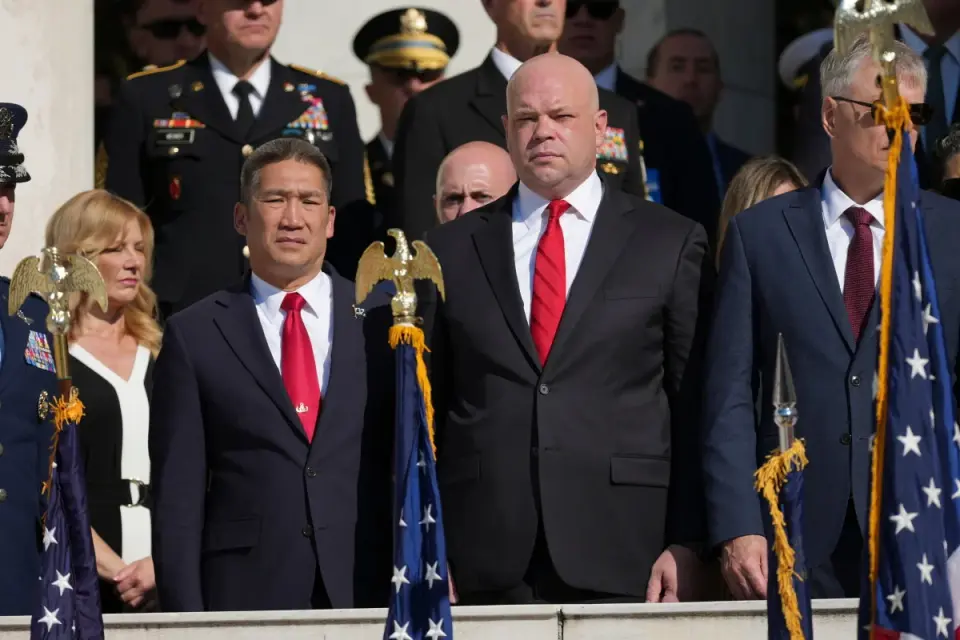
The US Navy has quietly removed three senior figures without public notice, breaking standard protocol. Congress is demanding answers regarding the firing of the USS South Dakota’s leadership team after a collision, the dismissal of a destroyer commander in the Middle East, and the departure of the Navy’s attending physician. These actions have raised concerns about transparency and may impact the confirmation of acting Navy Secretary Hung Cao.
Key points
- The Navy failed to inform Congress about the removal of the entire command triad of the USS South Dakota submarine after it struck an object on the seabed in October.
- Commander Caitlin Cunningham was relieved of her command of the USS Michael Murphy destroyer in September due to a loss of confidence, despite serving less than a year.
- Rear Admiral Dr. Brian Monahan, the attending physician for Congress and the Supreme Court, departed his post amid an internal Navy investigation.
- Democratic lawmakers Joe Courtney and Adam Smith expressed 'deep frustration' over the lack of communication, noting this breaks the Navy’s 18-year practice of announcing such changes.
- The secrecy coincides with broader restrictions on military information, including delayed satellite imagery releases regarding strikes in the Middle East.
Background
This situation follows a period of increased secrecy in military operations, particularly regarding the Middle East. In October 2026, Defense Secretary Pete Hegseth faced bipartisan pushback over plans to livestream a firing squad execution, highlighting tensions between the administration and military norms. Additionally, in November 2026, retired Vice Admiral Nancy Lacore criticized Hegseth for firing her without explanation, framing her electoral victory as a rejection of his military policies. These events underscore a growing pattern of opaque personnel decisions within the Department of Defense.
How outlets are covering it
AP News and The Times of India emphasize the breach of transparency norms, highlighting that the Navy typically announces such high-profile removals within days. The Day provides specific local details, confirming that Commander Dan Goodwin was relieved on October 14 due to a loss of confidence, and notes that the House Armed Services Committee initiated an inquiry after learning of the incident from local media. While AP and TOI focus on the broader pattern of secrecy affecting multiple officers, The Day centers on the specific timeline and local impact of the USS South Dakota’s grounding.
Why it matters
The lack of transparency in high-level military personnel changes undermines the oversight role of Congress and raises questions about the Navy’s operational integrity. As acting Navy Secretary Hung Cao faces a confirmation hearing, these unresolved issues could become central to his vetting process, potentially affecting future naval leadership and policy decisions.
What to watch
Congress is expected to press for answers during Hung Cao’s confirmation hearing next week. The Navy has opened an investigation into Monahan’s departure but has not provided details. The House Armed Services Committee is awaiting a response from the Navy regarding the USS South Dakota incident, which could lead to further scrutiny of the service’s communication protocols.
- Navy has quietly fired some commanders and other officials, drawing congressional pushback AP News
- Navy Quietly Removed USS Michael Murphy Commander in September USNI News
- USS South Dakota command triad fired, draws ire of congressmen Navy Times
- Commanding officer of a Groton-based submarine has been removed from his post The Day
- US Navy quietly removes top commanders, draws congressional backlash The Times of India
Want the full story? Read the original reporting
Read on AP News