
New Jersey Governor Threatens to Block Russian Diesel Shipments Amid Midterm Election Tensions
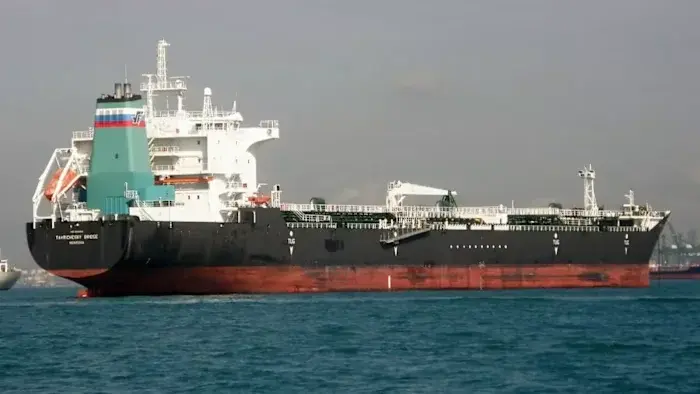
Seven tankers carrying 288,000 tonnes of Russian diesel are en route to the US, implementing a deal between Presidents Trump and Putin that reverses prior sanctions. New Jersey Governor Mikie Sherrill has threatened to block unloading in her state, calling the deal corrupt and illegal. The shipments face legal challenges from Congress and opposition from Ukraine, while diesel prices in the US have risen despite the agreement.
Key points
- Greenpeace tracked seven tankers carrying 288,000 tonnes of Russian diesel heading to the US, marking the first phase of a 1.8 million tonne deal announced on October 9.
- New Jersey Governor Mikie Sherrill stated she is exploring ways to prevent the diesel from being unloaded in her state, labeling the agreement 'corrupt and illegal'.
- Democratic senators warned banks and port authorities that handling the shipments could trigger congressional investigations and legal action.
- US diesel prices rose from $6.28 to $6.33 per gallon since the deal was announced, contradicting the administration's claim that it would lower costs.
- Ukraine’s President Volodymyr Zelenskyy condemned the deal, arguing it provides the Kremlin with funds to sustain its war effort.
Background
This development follows a shift in US policy under President Trump, who has moved to cooperate with Vladimir Putin despite ongoing Russian attacks on Ukraine. The current shipments reverse years of sanctions imposed by the US, EU, and UK since the full-scale invasion began in February 2022. The political tension is heightened by upcoming midterm elections, where control of the House of Representatives is likely to shift to Democrats, potentially increasing scrutiny of the oil deal.
How outlets are covering it
The Financial Times headline indicates the primary source was behind a paywall, offering no detailed content beyond the subscription prompt. The Guardian provides comprehensive details, highlighting the logistical tracking by Greenpeace and the political opposition from New Jersey and Democratic lawmakers. While the White House argues the deal will lower fuel prices, the Guardian notes rising costs and legal risks for buyers. The perspectives diverge on the legality and morality of the deal, with the US administration framing it as economic relief and critics, including Sherrill and Zelenskyy, viewing it as an illegitimate reward for Russia's war efforts.
Why it matters
The potential blocking of Russian diesel shipments in New Jersey could set a legal precedent for state-level resistance to federal trade agreements. It highlights the deepening political divide over energy policy and foreign relations, particularly as the US approaches midterm elections. The outcome will influence whether the 1.8 million tonne deal proceeds, affecting global oil markets, US-Russia relations, and the financial support available to Russia's war effort in Ukraine.
What to watch
The immediate next step is whether New Jersey authorities successfully block the unloading of the tankers, potentially triggering a legal battle with the federal government. Congress may launch investigations into banks and port authorities involved in the transactions. The outcome of the midterm elections will determine if the Democratic-led House can impose further sanctions or penalties on the deal. Additionally, the White House may continue to pressure US firms to purchase the oil despite legal risks, while the Kremlin maintains secrecy around export details to evade international sanctions.
- New Jersey governor threatens to block delivery of Russian diesel cargoes Financial Times
- Seven oil tankers carrying 288,000 tonnes of Russian diesel sail towards US The Guardian
- Russia Plans to Extend Diesel-Export Ban With Exemptions Bloomberg
- Trump’s Deal With Putin Hasn’t Done Much to Ease Diesel Prices WSJ
- Russia to extend diesel export ban, use quotas to fulfil US deal, sources say Reuters
Want the full story? Read the original reporting
Read on Financial Times