
Newsom's final legislative push on wildfire liability collapses as Democrats reject subrogation reforms
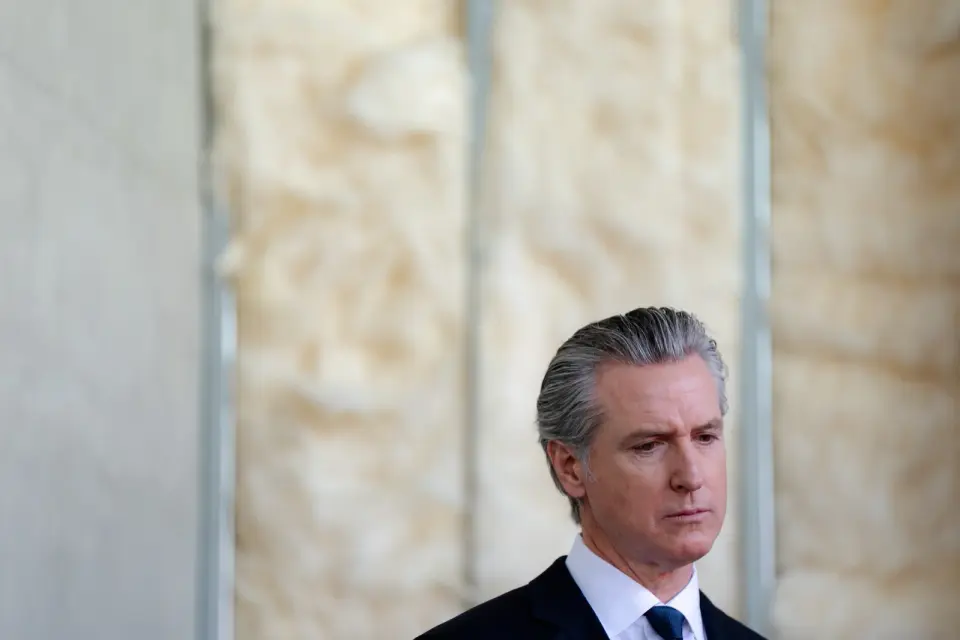
Gov. Gavin Newsom’s final major legislative push failed as the California Assembly killed a compromise bill on wildfire liability. The governor sought to limit insurance companies' ability to sue utilities for costs after fires, but lawmakers rejected the measure, calling it insufficient. Newsom acknowledged the failure, noting the bill did not address the structural crisis, and left open the possibility of a special session before he leaves office in January.
Key points
- The Assembly killed Senate Bill 492, a compromise on wildfire liability, after weeks of pushback from lawmakers and wildfire survivors.
- Newsom wanted to eliminate or limit subrogation, the practice of insurance companies suing utilities to recoup costs, but the final bill did not include this change.
- Assembly Speaker Robert Rivas called the bill a collection of 'half measures,' while Newsom stated the measure did not meet the gravity of the moment.
- Stock prices for Southern California Edison and Pacific Gas & Electric fell by more than 20% as the deal collapsed, with utility CEOs warning of financial peril.
- Newsom did not rule out calling a special legislative session to resolve the issue before his term ends in January, though he acknowledged the compressed timeline limited his leverage.
Background
This failure marks a significant shift in Newsom's legislative strategy. Previously, his 'jam' tactic—pushing last-minute deals in the final days of a session—had succeeded in passing environmental carveouts and infrastructure fast-tracking. However, this session saw him drop multiple other priorities, including a shipyard fast-track and a housing exemption, due to strong opposition. The wildfire liability issue has been a growing concern since the start of his tenure, particularly after the PG&E bankruptcy, but the governor's office was criticized for starting negotiations too late in the year.
How outlets are covering it
CalMatters emphasizes the limits of a lame-duck governor's power, noting that Newsom's usual last-minute 'jam' strategy failed due to fundamental philosophical disagreements and a compressed timeline. Politico highlights the rare defeat for a Democratic governor, framing it as a rebuke where lawmakers felt Newsom overreached with an ambitious proposal that lacked broad support. KCRA focuses on the immediate market consequences, noting that utility stocks plummeted and that activist investors were contacting utility boards, potentially signaling corporate instability. While CalMatters and Politico focus on the legislative and political dynamics, KCRA underscores the financial urgency driving the governor's potential call for a special session.
Why it matters
The failure to reform wildfire liability leaves California's investor-owned utilities exposed to massive financial risks, potentially leading to future bankruptcies that could destabilize the state's electricity grid. The unresolved subrogation issue means insurance companies can still sue utilities for full costs, which may delay payouts to fire survivors and drain the state's wildfire liability fund. This legislative deadlock highlights the deepening divide between the governor's office and the legislature on how to handle the escalating costs of climate-driven disasters.
What to watch
Newsom has not ruled out calling a special legislative session to revisit the wildfire liability issue before he leaves office in January. However, he has indicated that this would only happen if lawmakers are willing to cooperate. The issue is expected to be a major focus for the next administration and the 2027 legislative session, with both the governor and lawmakers acknowledging that the current framework is unsustainable.
- Why a signature Newsom power move flopped in the last days of the Legislative session CalMatters
- California Dems hand Newsom rare defeat on wildfires Politico
- Gov. Newsom considers special legislative session on wildfire liability KCRA
- In sudden reversal, wildfire liability deal dies on final day of session fox40.com
- California lawmakers kill Newsom’s wildfire insurance deal San Francisco Chronicle
Want the full story? Read the original reporting
Read on CalMatters