
NH Chief Justice MacDonald Resigns Over Ethics Probe Into Ally's Payout
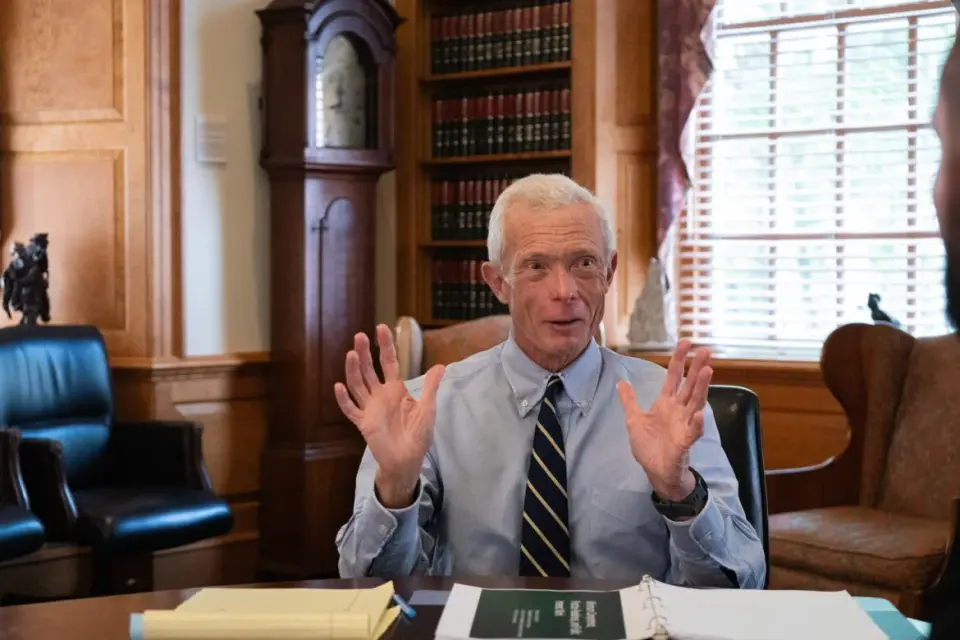
New Hampshire Supreme Court Chief Justice Gordon MacDonald resigned effective September 15, 2026, following an ethics probe into his handling of a $50,000 payout to a close colleague. He admitted to violating three sections of the Code of Judicial Conduct, including failing to act impartially and avoid favoritism. The resignation settled a complaint filed by the Judicial Conduct Committee, which had launched an inquiry after media reports revealed irregular personnel maneuvers involving Dianne Martin. MacDonald, who had been on medical leave since July, accepted responsibility for his conduct, while the court’s associate justices continue to manage judicial operations.
Key points
- MacDonald admitted to violating Canon 1 Rule 1.2 and Canon 2 Rule 2.3(A) of the Code of Judicial Conduct, citing failures in impartiality and public confidence.
- The ethics probe centered on the layoff and rehiring of Dianne Martin, a judicial branch employee, which resulted in a $50,000 payout of accrued benefits.
- MacDonald agreed to a stipulation with the Judicial Conduct Committee on September 8, 2026, waiving further hearings and agreeing to pay legal fees.
- The resignation was effective immediately, with Gov. Kelly Ayotte accepting the letter dated September 15, 2026.
- Associate justices have assumed the Chief Justice’s administrative duties since MacDonald’s medical leave began on July 24, 2026.
Background
MacDonald was appointed Chief Justice in 2021 by then-Gov. Chris Sununu after serving as state attorney general. His tenure had been marked by scrutiny, including a separate ethics complaint against retired Justice Anna Barbara Hantz Marconi. The current resignation follows a year-long investigation that began after New Hampshire Public Radio reported on the Martin payout in October 2025. The Judicial Conduct Committee had previously found that the court’s public statement on the matter was inaccurate, leading to the formal complaint.
How outlets are covering it
InDepthNH.org and NHPR emphasize the formal admission of misconduct and the settlement process, highlighting MacDonald’s acceptance of responsibility. Patch focuses on the procedural aspects, noting that MacDonald bypassed merit-based hiring rules during a state hiring freeze. While all sources agree on the resignation, InDepthNH.org notes that the settlement deprived the public of full transparency, a point conceded by JCC chair John Mullen. NHPR highlights the role of a whistleblower in triggering the investigation, whereas Patch notes the lack of criminal wrongdoing found by the Attorney General’s office, though it confirmed the irregular timeline.
Why it matters
The resignation of the state’s highest-ranking judge raises questions about the integrity of the judicial branch and the handling of personnel decisions. It underscores the role of media investigations and ethics committees in holding judicial officials accountable. The immediate transition to associate justices ensures continuity in court operations, but the vacancy may impact the court’s ability to address pending cases and administrative matters.
What to watch
Gov. Kelly Ayotte is expected to nominate a replacement for MacDonald, though the timing is uncertain. The court will resume oral arguments on September 22, 2026. The Judicial Conduct Committee has dropped its investigation, and MacDonald has agreed to reimburse legal fees. The public may await further details on the selection process for the new Chief Justice.
- Gordon MacDonald Resigns as Chief Justice of NH Supreme Court Saying He Accepts Responsibility for his Conduct InDepthNH.org
- NH Chief Justice MacDonald resigns amid investigation unionleader.com
- NH Chief Justice MacDonald announces resignation; ethics probe loomed nhpr.org
- New Hampshire Supreme Court Chief Justice MacDonald Resigns: Follow-Up Patch
- NH Supreme Court Chief Justice MacDonald resigns after Judicial Conduct Committee investigation WMUR
Want the full story? Read the original reporting
Read on InDepthNH.org