
Immigration Judge Frees Navy Sailor's Father After Nine-Month Middle East Deployment
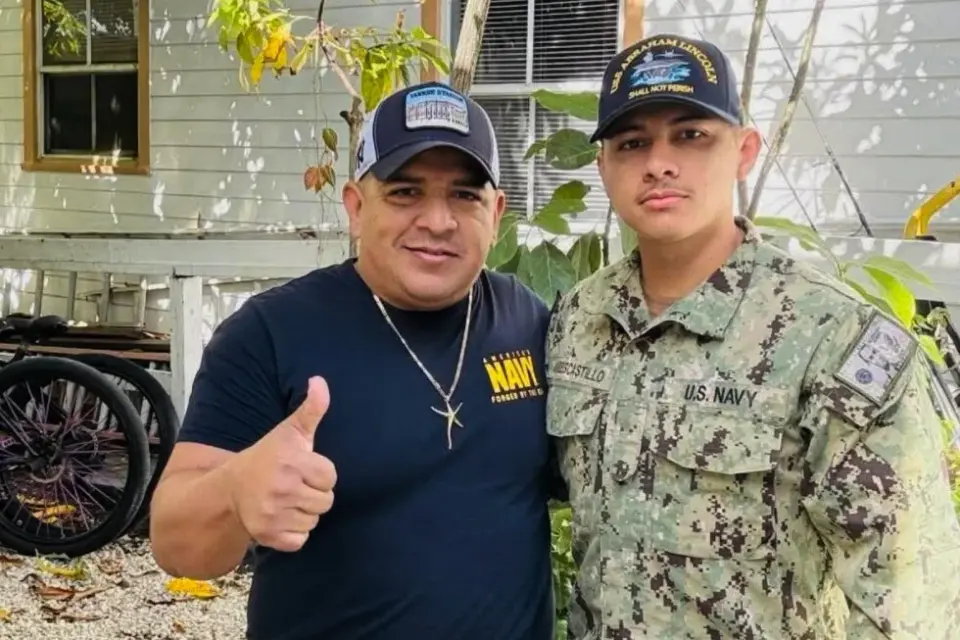
Luis Manuel Aviles, the father of a sailor serving on the USS Abraham Lincoln, has been released from immigration detention after a judge dismissed his case. His arrest in Key West, Florida, occurred while his son, Joshua Aviles, was in the ninth month of a record-breaking deployment in the Middle East. The release follows a period of intense scrutiny regarding the treatment of military families and the conditions faced by sailors on the extended mission.
Key points
- Luis Manuel Aviles was freed from immigration detention after an immigration judge dismissed his case.
- Aviles was detained by ICE in Key West, Florida, following a vehicle stop.
- His son, Joshua Aviles, was serving on the USS Abraham Lincoln during a nine-month deployment in the Middle East.
- The USS Abraham Lincoln is currently being relieved by another ship to return to the United States.
- The case highlighted tensions between immigration enforcement and the support of military families.
Background
This release follows earlier reports in August 2026 that Aviles was detained by ICE while his son was serving in the Middle East. The USS Abraham Lincoln had been at sea for over eight months, facing challenges including water shortages, low morale, and mental health concerns among the crew. Navy officials had previously met with families to address these issues, and the ship is now returning home as part of a rotation.
Why it matters
The case underscores the intersection of immigration policy and military service, raising questions about how enforcement actions affect families of active-duty personnel. It also highlights the broader concerns regarding the welfare of sailors on extended deployments and the need for adequate support systems for military families.
What to watch
The USS Abraham Lincoln is expected to return to the United States as part of its rotation. The case may continue to draw attention to the treatment of military families and the conditions faced by sailors on long deployments.
Want the full story? Read the original reporting
Read on AP News