
Cyber firm’s clean bill of health on voting machines triggers Trump ally backlash
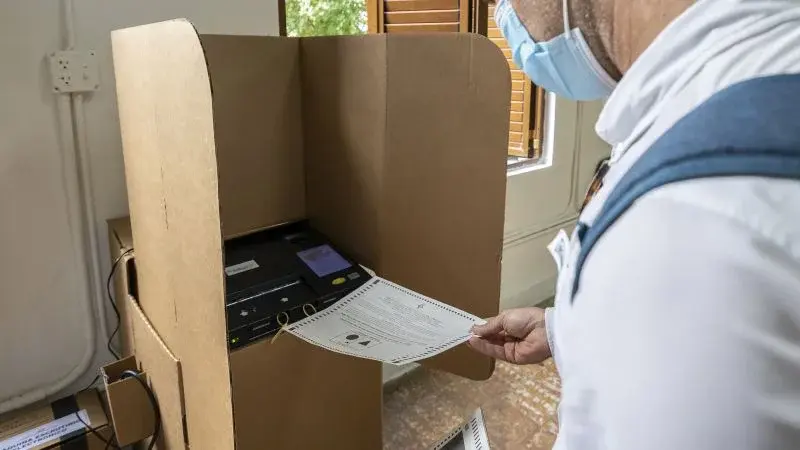
Mojave Research found security flaws but no evidence of vote tampering in Puerto Rican voting machines, leading to a contract termination by the Trump administration after allies accused the firm of being a liberal plant.
Key points
- Mojave Research identified significant security weaknesses in Liberty Vote machines but found no evidence of active exploitation or altered votes.
- The Office of the Director of National Intelligence (ODNI) issued a stop-work order in October 2025 after Trump allies, including attorney Kurt Olsen, spread false claims that the firm was funded by George Soros.
- Mojave CEO Jason Wareham, a Republican, submitted a sworn declaration refuting the conspiracy theories and detailing Olsen’s interference in the investigation.
- ODNI officials accepted the findings, but the report remains unpublished, delaying necessary software fixes for the voting equipment.
- The incident highlights a split within the administration between those seeking genuine security improvements and those seeking to validate election fraud narratives.
Background
This episode follows a broader pattern of the Trump administration challenging election integrity, including recent Supreme Court filings on mail-in voting and threats to prosecute state officials over noncitizen voting. Previous coverage noted that while experts acknowledge voting machine vulnerabilities, they emphasize that these flaws have not been exploited to change election outcomes, a distinction the current administration has struggled to accept.
How outlets are covering it
CNN and Politico both report that Mojave Research found security flaws but no evidence of fraud, leading to a contract termination. CNN emphasizes the role of Kurt Olsen and the false Soros funding claims in derailing the work, while Politico focuses on the broader risk of weaponizing legitimate security findings to support conspiracy theories. WABE provides a contrasting perspective on federal election interference, noting that while the administration has not deployed agents to polls, its rhetoric and legal challenges remain unprecedented, though existing laws currently bar such actions. All sources agree that the administration’s approach has created a rift between technical experts and political actors seeking to validate election fraud claims.
Why it matters
The termination of the Mojave Research contract and the suppression of its findings delay critical security updates for voting machines, potentially leaving known vulnerabilities unpatched. This incident illustrates how political narratives can override technical expertise in election security, undermining public trust and the integrity of the electoral process. It also highlights the risks of conflating security flaws with evidence of fraud, a distinction that is crucial for maintaining confidence in democratic institutions.
What to watch
The ODNI has not released the Mojave Research report, and Liberty Vote has not committed to fixing the identified flaws before the November elections. The administration may continue to pursue other election security initiatives, but the lack of transparency and the political interference in the investigation could further erode trust in the electoral process. Legal challenges to federal election interference efforts may continue, with courts likely to uphold existing laws barring federal agents from polling places.
- When they didn’t find fraud while testing a voting machine for the Trump admin, this cyber firm faced a wave of backlash CNN
- Voting machines have real security issues. Researchers worry they could be weaponized by election deniers. politico.com
- Analysis: Existing law bars federal agents from polls, despite new threats to election integrity wabe.org
- Voting machine researchers say federal work abruptly ended after Trump ally pushed back on their findings Nextgov/FCW
- Trump Administration Halted Voting Security Contract After Researchers Found No Evidence of Election Fraud Межа. Новини України.
Want the full story? Read the original reporting
Read on CNN