
NYC Council to Vote on Historic Ban of Central Park Horse Carriages
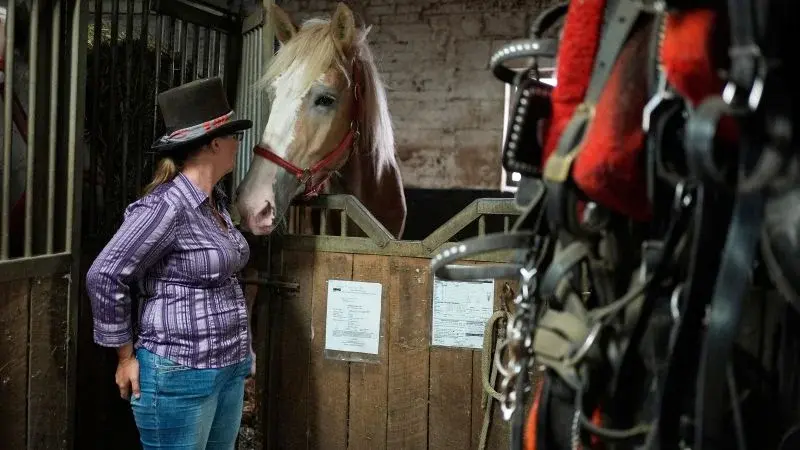
New York City Council is expected to pass a bill on October 22, 2026, banning horse-drawn carriages in Central Park by June 2028. The legislation, named 'Romanch's Law,' follows the fatal accident of an 18-year-old tourist in June and addresses animal welfare concerns. While Mayor Zohran Mamdani promises a transition plan for the 150+ affected drivers, the Transport Workers Union vows legal action, citing inadequate compensation and job guarantees.
Key points
- The NYC Council vote is scheduled for October 22, 2026, with the ban taking effect in June 2028.
- The legislation requires the Mayor's office to develop a workforce transition plan by April 2027, including job referrals and potential compensation.
- The ban was accelerated by the death of tourist Romanch Mahajan in June 2026 and the death of a carriage horse named Deniz earlier this year.
- Drivers, including Alexus Lawson and Medet Fidan, fear financial ruin and dispute claims of animal mistreatment, arguing horses are well-cared-for working animals.
- The Transport Workers Union plans to file a legal challenge immediately after the bill passes, arguing the transition plan lacks guaranteed financial support.
Background
Horse-drawn carriages have operated in Central Park for over 150 years. Previous mayors, including Bill de Blasio and Eric Adams, attempted to ban the rides but failed due to union opposition and public backlash. The current push gained momentum after the fatal accident in June 2026 and ongoing animal welfare concerns, including 40 horse deaths in Central Park since 1982.
How outlets are covering it
CNN emphasizes the uncertainty facing drivers and the lack of a concrete transition plan, highlighting the personal impact on individuals like Alexus Lawson. BBC focuses on the debate over animal welfare versus livelihood, noting that while drivers dispute mistreatment claims, activists and some tourists support the ban for safety and ethical reasons. Both sources agree on the timeline and the union's opposition but differ in emphasis: CNN highlights the drivers' fear, while BBC details the specific incidents that fueled the ban movement.
Why it matters
The ban ends a 150-year-old tradition and forces a significant workforce transition. It sets a precedent for how cities handle the phase-out of traditional but controversial industries, balancing public safety, animal welfare, and economic impact on workers. The outcome will influence future policies on animal labor and urban tourism.
What to watch
The NYC Council is expected to vote on the bill on October 22, 2026. If passed, the Mayor's office must develop a transition plan by April 2027. The Transport Workers Union is expected to file a legal challenge immediately after the vote. The ban will take effect in June 2028.
- Facing a ban on horse-drawn carriages, Central Park’s drivers fear for their livelihoods CNN
- Some New Yorkers back ban on horse-drawn carriages, but drivers fear for incomes BBC
- NYC to Vote on Horse-Carriage Ban WSJ
- Horse carriage drivers protest ahead of NYC Council vote ABC7 New York
- NYC’s horse carriage drivers say they feel betrayed as lawmakers set to abolish industry Gothamist
Want the full story? Read the original reporting
Read on CNN