
Ohio GOP Volunteers Pivot to Anti-Socialism Messaging as Turnout Plummets
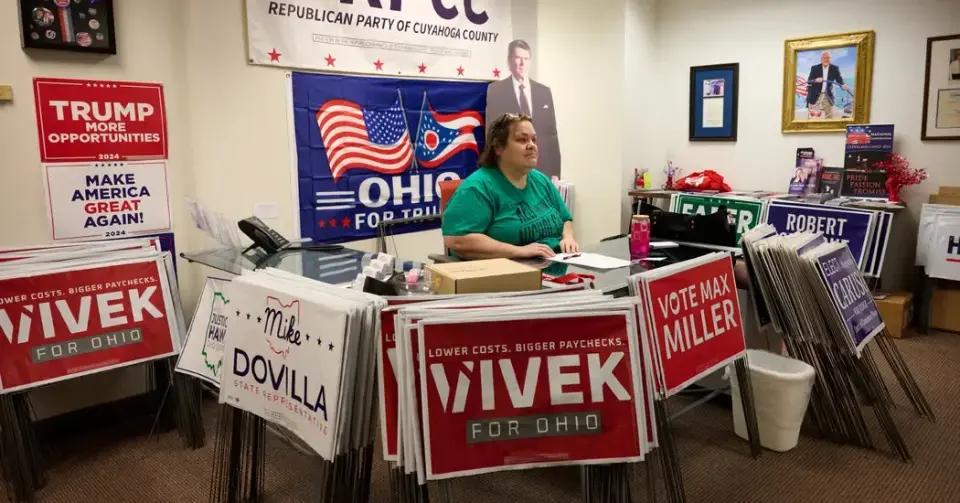
Republican volunteers in Ohio are struggling with low engagement ahead of the 2026 midterms, particularly in the tight Senate race between Jon Husted and Sherrod Brown. Facing a slump in grassroots activity compared to 2024, local organizers have abandoned economic arguments in favor of warning voters about the threat of socialism. This strategic shift aims to re-energize the base and counter rising Democratic enthusiasm, though many remain uncertain about the outcome.
Key points
- Volunteer turnout at Republican campaign offices near Cleveland has dropped significantly, with some locations seeing only two attendees on weekdays compared to at least 30 daily in 2024.
- Senator Jon Husted, appointed in 2025 to finish the term of JD Vance, is in a tight race against former Senator Sherrod Brown.
- Initial Republican messaging focused on Husted’s ability to fix the economy despite rising prices, but this approach failed to resonate with voters.
- Organizers, including the political PAC Americans for Prosperity, have pivoted their door-knocking scripts to focus on the threat of socialism, which has shown a positive impact on engagement.
- Local volunteers are employing creative tactics, such as distributing goodie bags with chocolate bars and campaign literature, to encourage participation.
Background
This development follows earlier reports indicating that the Ohio Senate race hinges on disengaged Black voters in Cleveland and disillusioned white working-class voters in the Rust Belt. President Trump recently campaigned in Ohio, urging voters to 'pretend I'm running' to boost turnout, despite polls showing his administration is unpopular. The current strategy shift reflects broader Republican concerns about low enthusiasm and economic dissatisfaction among key demographics, similar to challenges seen in other battleground states like Texas.
Why it matters
The ability of the Republican Party to mobilize voters in Ohio is critical for maintaining control of the Senate. The pivot from economic to ideological messaging highlights the party's struggle to connect with voters amid rising prices and low approval ratings. Success in Ohio could influence the national midterm outcome, as the state is a key battleground for both parties.
What to watch
Republicans will likely continue to emphasize anti-socialism messaging in the final weeks before the election. Organizers may introduce additional creative tactics to boost volunteer engagement. The outcome of the Ohio Senate race will depend on whether this strategic shift can overcome low turnout and counter Democratic enthusiasm.
Want the full story? Read the original reporting
Read on The New York Times