
Peggy Flanagan Wins Minnesota Senate Seat, Becoming First Native American Woman Elected to U.S. Senate
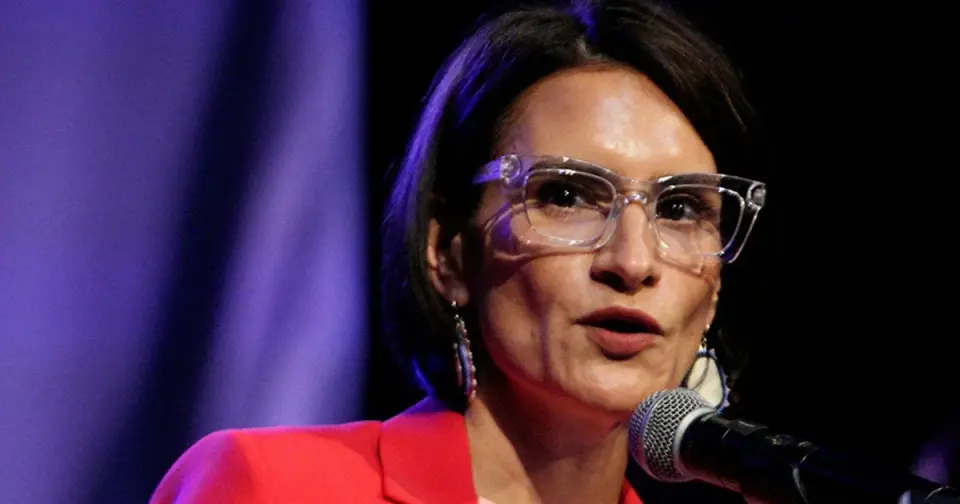
Minnesota Lieutenant Governor Peggy Flanagan defeated Republican Michele Tafoya to win the U.S. Senate seat, securing a historic victory for Democrats. Flanagan, a progressive who supports Medicare for All and dismantling ICE, became the first Native American woman elected to the Senate. The race, initially viewed as a potential Republican target due to state fraud scandals, ended with Flanagan winning by a comfortable margin, denying Republicans a key flip in a state they had not held since 2002.
Key points
- Peggy Flanagan defeated Michele Tafoya in the Minnesota U.S. Senate race, with the Associated Press calling the race for Flanagan.
- Flanagan will become the first Native American woman elected to the U.S. Senate, joining Democrat Mary Peltola in Alaska as a historic milestone for Native American representation.
- The race was competitive, with pre-election polls showing a narrow lead for Flanagan, but she ultimately won by a significant margin, with 53.2% of the vote compared to Tafoya's 44.1%.
- Flanagan's victory is seen as a win for the progressive wing of the Democratic party, as she supports Medicare for All, national paid family and medical leave, and dismantling ICE.
- The race was influenced by fraud scandals in Minnesota, which Republicans attempted to tie to immigration, but Flanagan argued that responsibility for oversight of the affected programs rested with Governor Tim Walz.
Background
The Minnesota Senate race was initially viewed as a potential target for Republicans due to fraud scandals in the state, including a $250 million fraud case involving a Covid-related program and over $90 million in Medicaid fraud. The Cook Political Report had downgraded the race from 'Likely Democrat' to 'Lean Democrat' in October, signaling a shift toward the Republican candidate. However, Flanagan's victory suggests that voter anger over President Trump's policies, including his administration's immigration crackdown, helped propel the progressive Democrat to victory. The race also unfolded against the backdrop of a contentious Democratic primary, where Flanagan defeated a more moderate opponent to win the nomination.
How outlets are covering it
NBC News emphasized Flanagan's historic achievement as the first Native American woman elected to the Senate and her progressive platform, including support for Medicare for All and dismantling ICE. The New York Times focused on the vote counts and the competitive nature of the race, noting that Flanagan won by a comfortable margin despite pre-election polls showing a narrow lead. AP News provided a neutral overview of the race, highlighting the vote counts and the significance of Flanagan's victory for Native American representation. Axios noted that Flanagan's win denied Republicans the opportunity to flip a Senate seat that Democrats have held for nearly a quarter-century and highlighted the role of voter anger over Trump's policies in her victory. All sources agreed on the outcome of the race but differed in their emphasis on the factors that contributed to Flanagan's victory, with some focusing on her progressive platform and others on the impact of fraud scandals and immigration enforcement.
Why it matters
Flanagan's victory is significant for several reasons. First, it marks a historic milestone for Native American representation in Congress, as she becomes the first Native American woman elected to the U.S. Senate. Second, her win is seen as a victory for the progressive wing of the Democratic party, as she supports a range of progressive policies, including Medicare for All and dismantling ICE. Third, the race was initially viewed as a potential target for Republicans due to fraud scandals in the state, but Flanagan's victory suggests that voter anger over President Trump's policies, including his administration's immigration crackdown, helped propel her to victory. Finally, the race highlights the importance of local issues, such as fraud and immigration, in shaping national elections, and the role of party leadership in influencing the outcome of races.
What to watch
Flanagan will succeed retiring Senator Tina Smith when the new Congress convenes in January, serving a six-year term. She is expected to continue a long run of Minnesotans serving on the Indian Affairs Committee and to advocate for progressive policies, including Medicare for All and national paid family and medical leave. The race also sets the stage for future elections in Minnesota, as the state has not elected a Republican senator since 2002, and Flanagan's victory suggests that Democrats may continue to hold the seat in future elections. Additionally, the race highlights the importance of local issues, such as fraud and immigration, in shaping national elections, and the role of party leadership in influencing the outcome of races.
- Lt. Gov. Peggy Flanagan holds a Minnesota Senate seat for Democrats NBC News
- Minnesota U.S. Senate 2026: Live Midterm Election Results, Flanagan vs. Tafoya The New York Times
- Minnesota U.S. Senate Election Live Results 2026 AP News
- Peggy Flanagan keeps Minnesota Senate seat blue in historic win Axios
- AP: Flanagan projected to win US Senate race kare11.com
Want the full story? Read the original reporting
Read on NBC News