
Pennsylvania Rep. seeks to rename Lake Erie to 'Lake Pennsylvania' after Trump's geographic rebranding
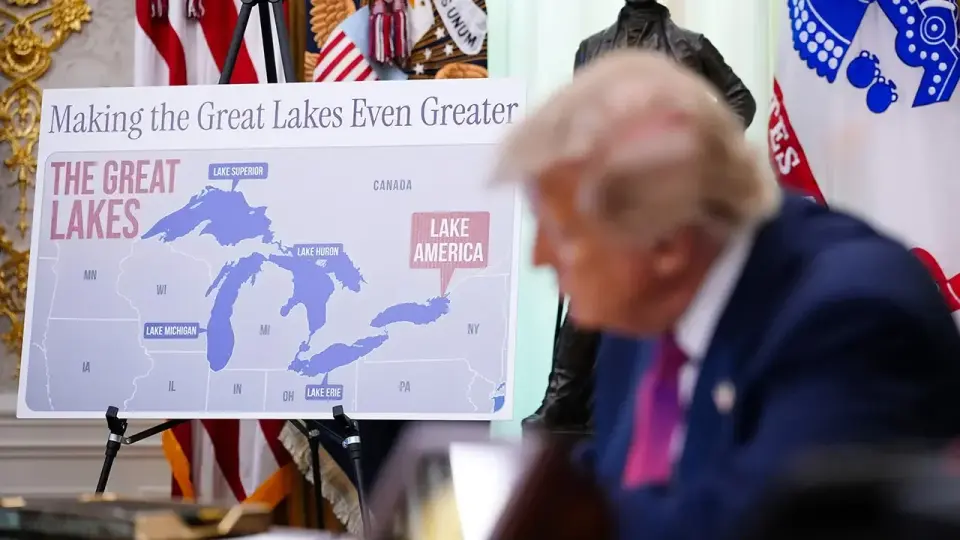
Pennsylvania state Rep. David Maloney is preparing a resolution urging President Donald Trump and federal officials to rename Lake Erie to 'Lake Pennsylvania.' The proposal follows Trump's recent executive order renaming Lake Ontario to 'Lake America' amid U.S.-Canada trade tensions. Maloney argues the change reflects the lake's modern economic identity for Pennsylvania, though the measure remains at an early stage and faces significant historical and diplomatic hurdles.
Key points
- Rep. David Maloney (R-PA) is drafting a resolution to rename Lake Erie to 'Lake Pennsylvania,' citing the state's reliance on the lake for tourism and fishing.
- The proposal follows President Trump's August 2026 executive order renaming Lake Ontario to 'Lake America,' a move Canada rejected as part of a trade dispute.
- Maloney argues Pennsylvania has only one Great Lake, while Ohio, New York, and Canada have multiple, justifying the name change to reflect modern identity.
- The resolution has not been formally introduced in the Pennsylvania House as of September 9, 2026, and would require federal approval to take effect.
- Critics note that Lake Erie's name derives from Indigenous languages, and renaming it could sever historical ties, similar to the backlash against the Lake Ontario change.
Background
This development follows a series of geographic renaming actions by the Trump administration in 2026, including the renaming of the Gulf of Mexico to the 'Gulf of America' and Lake Ontario to 'Lake America.' Previous coverage noted that these changes only apply to U.S. federal agencies and do not bind other countries or private entities, though map applications like Apple and Google Maps adopted the new names for U.S. users. Public opinion polls indicated broad opposition to the Lake Ontario rename, with many Americans viewing the move as a distraction from core issues.
How outlets are covering it
Fox News emphasizes Maloney's argument that the rename reflects the lake's 'modern identity' and economic importance to Pennsylvania, highlighting his statement that 'Pennsylvania has one. Let’s call it Lake Pennsylvania!' The Times of India provides additional context on the legislative process, noting that Maloney circulated a co-sponsorship memo on September 9 but had not formally introduced the measure. It also details Maloney's claim that Pennsylvania stocked nearly 500,000 yearling steelhead in 2025, representing 40% of the lake's total. CBC News focuses on the historical and cultural implications, quoting University of Windsor professor Ken Drouillard, who argues that renaming places with deep historical roots, such as the Great Lakes, severs connections to place and history. CBC also notes that Canadian officials, including the MPP for Chatham-Kent—Leamington, declined to comment on the proposal.
Why it matters
The proposal highlights the ongoing tension between U.S. federal geographic branding and historical or international naming conventions. While the Lake Ontario rename was tied to trade disputes with Canada, the Lake Erie proposal is framed as a domestic identity issue, yet it still faces the same diplomatic and administrative barriers. The move could further polarize public opinion on geographic renaming, especially given previous backlash against the Lake Ontario change. Additionally, it raises questions about the limits of U.S. federal authority over shared water bodies and the potential impact on historical records and Indigenous heritage.
What to watch
Maloney plans to formally introduce the resolution in the Pennsylvania House, seeking support from Trump, Congress, and Interior Secretary Doug Burgum. The U.S. Board on Geographic Names will need to review any federal proposal, which generally requires a compelling reason and evidence of support. Canada is not bound by U.S. naming decisions, and the proposal may face resistance from Canadian authorities and environmental historians. The outcome will depend on whether the federal government prioritizes the request and how public and political opposition shapes the legislative process.
- Pennsylvania lawmaker suggests Trump should rename Lake Erie to 'Lake Pennsylvania' Fox News
- After Trump renamed Lake Ontario 'Lake America,' a Pennsylvania Republican now wants Lake Erie renamed 'Lake Pennsylvania' The Times of India
- A Pa. state lawmaker wants to turn Lake Erie into Lake Pennsylvania Inquirer.com
- State lawmaker calls on Trump to rename Lake Erie to ‘Lake Pennsylvania’ The Hill
- Republican lawmaker wants to rename Lake Erie to Lake Pennsylvania CBC
Want the full story? Read the original reporting
Read on Fox News