
Pentagon's Plan to Livestream Fort Hood Shooter's Execution Sparks Bipartisan and Religious Backlash
The U.S. Department of Defense has announced plans to livestream the Dec. 3 firing squad execution of Nidal Malik Hasan, the Army psychiatrist convicted of the 2009 Fort Hood mass shooting. While President Trump has expressed conditional support, the decision has triggered immediate backlash from religious leaders, military officials, and some Republicans. The move marks the first legally sanctioned public execution in the U.S. since 1936, raising significant legal and ethical questions.
Key points
- Defense Secretary Pete Hegseth announced the livestream plan during an interview on the USS Abraham Lincoln, stating that public consequences are necessary for such crimes.
- Nidal Malik Hasan is scheduled to be executed by firing squad at Fort Hood, Texas, on Dec. 3, for killing 13 and injuring 32 soldiers in 2009.
- President Trump stated he has not yet made a final decision on the livestream, though he affirmed that Hasan 'deserves' the death penalty.
- Vice President JD Vance expressed doubt about the plan's implementation and stated he would not watch the event.
- The announcement caught many Pentagon and Army officials off guard, with sources citing concerns over the psychological impact on soldiers and the legal definition of 'public' execution.
Background
This development follows a series of high-profile capital punishment controversies, including a botched lethal injection attempt in Tennessee earlier this year. The current debate occurs amid broader political tensions, including declining approval ratings for the administration's handling of foreign policy and domestic security issues. The return of public execution also coincides with the World Day Against the Death Penalty, highlighting a stark contrast between U.S. policy and international human rights standards.
How outlets are covering it
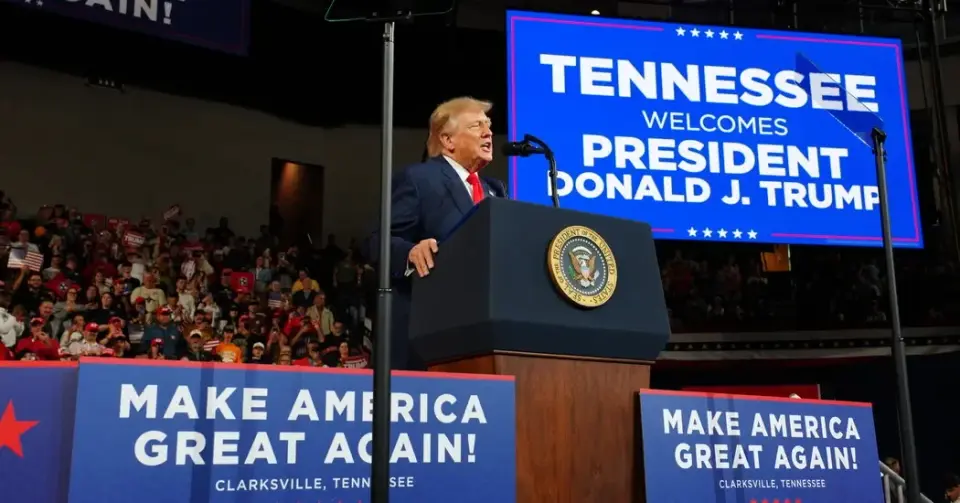
The New York Times reported on a sample of Trump supporters in Tennessee who generally supported the plan, describing it as 'necessary' despite finding it 'not pleasant.' In contrast, NBC News highlighted the strong opposition from the Vatican, with Pope Leo XIV declaring capital punishment 'inadmissible' and Cardinal Pietro Parolin calling the planned spectacle 'unacceptable.' CNN emphasized the internal confusion within the military, noting that many service members and veterans were shocked by the order and concerned about the psychological toll on the soldiers tasked with carrying out the execution. While the NYT focused on grassroots support, NBC and CNN highlighted the institutional and moral resistance from both religious and military institutions.
Why it matters
The decision to livestream a public execution challenges long-standing U.S. legal and ethical norms regarding capital punishment. It tests the boundaries of military justice and public spectacle, potentially setting a precedent for future cases. The backlash from within the military and religious institutions suggests deep divisions over the role of the state in administering death, with implications for national identity and international reputation.
What to watch
The White House is expected to make a final decision on the livestream in the coming days. Legal experts are monitoring potential challenges through the civilian legal system, as Hasan has exhausted his military appeals. The military is also determining the specific unit that will carry out the execution and addressing concerns about the psychological impact on the soldiers involved. Broadcasters and social media platforms are evaluating their policies on streaming violent content, which may limit the reach of the event.
- ‘Not Pleasant’ but ‘Necessary’: Support at Trump Rally for Public Execution The New York Times
- Trump says he will ‘ultimately make decision’ on Fort Hood shooter execution livestream The Hill
- Pope Leo declares death penalty ‘inadmissible’ as his native U.S. plans to livestream execution NBC News
- Army caught off guard by Hegseth’s order to make firing squad execution public CNN
- Fort Hood survivors speak out on Pentagon's decision to livestream Hasan's execution ABC News - Breaking News, Latest News and Videos
Want the full story? Read the original reporting
Read on The New York Times