
Supreme Court Rejects Maine Lobsterman's GPS Tracking Challenge, Leaving Privacy Fight Unresolved
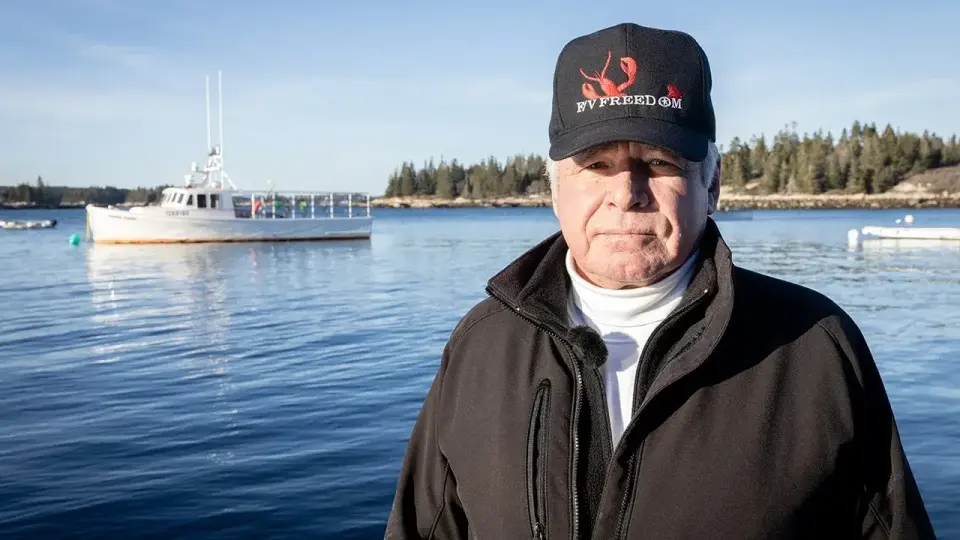
The U.S. Supreme Court declined to hear a case challenging mandatory GPS trackers on Maine lobster boats, upholding a lower court ruling that the devices do not violate the Fourth Amendment. Frank Thompson, a fifth-generation lobsterman, vows to continue fighting the mandate, which critics argue constitutes warrantless surveillance.
Key points
- The Supreme Court declined to hear Frank Thompson's petition, leaving the First Circuit's ruling in place.
- The First Circuit ruled that GPS tracking does not violate the Fourth Amendment because lobstering is a 'closely regulated industry.'
- Maine requires federally licensed lobstermen to install trackers that record location every minute while moving and every six hours while docked.
- Thompson argues the trackers monitor personal trips and family activities, not just fishing, violating his privacy rights.
- The mandate was implemented in 2023 to protect endangered right whales and monitor lobster populations.
Background
Maine's lobster industry has faced increasing regulatory scrutiny in recent years. In September 2026, a rare 'cotton candy' lobster was donated to the University of New England for genetic research, highlighting ongoing scientific interest in the species. This case follows a broader trend of legal challenges regarding government surveillance and privacy rights in regulated industries, including a recent Maine court ruling on custody and religious freedom.
How outlets are covering it
Fox News emphasizes Thompson's personal grievance, describing the tracker as an 'ankle bracelet' and highlighting his emotional connection to the sea. Maine Public provides a neutral overview, noting the legal history and the practical necessity of the data for conservation. Pacific Legal Foundation, which represents Thompson, frames the issue as a constitutional crisis, arguing that the 'closely regulated industry' exception improperly strips citizens of Fourth Amendment protections. Conservation groups, such as the Conservation Law Foundation, support the mandate, stating it is essential for managing endangered species like the North Atlantic right whale. The American Farm Bureau Federation also supported Thompson, warning that the ruling could weaken privacy protections for farmers and ranchers.
Why it matters
The decision sets a precedent for how the 'closely regulated industry' exception applies to modern surveillance technologies. If upheld, it could allow governments to track individuals in other regulated sectors, such as agriculture or retail, without warrants. This could erode Fourth Amendment protections for millions of Americans in various industries.
What to watch
Thompson and his attorneys at Pacific Legal Foundation plan to continue fighting the mandate through other legal avenues. The case may return to the Supreme Court if a different industry challenges similar tracking requirements. Maine DMR will continue to enforce the tracker requirement for the approximately 1,200 federally licensed lobstermen in the state.
- How a lobsterman's privacy fight reached SCOTUS — and could ripple far beyond the water: 'Ain't over yet' Fox News
- Supreme Court declines to hear boat tracking case brought by Maine lobsterman Maine Public
- U.S. Supreme Court Declines to Hear Vinalhaven Lobsterman Appeal Midcoast Villager
- US Supreme Court won’t hear challenge to lobster GPS monitoring case SeafoodSource
- The Supreme Court passed on lobster boat tracking. The question will return. Pacific Legal Foundation
Want the full story? Read the original reporting
Read on Fox News