
Progressive Backlash Surges Against Hakeem Jeffries as He Nears Historic Speakership
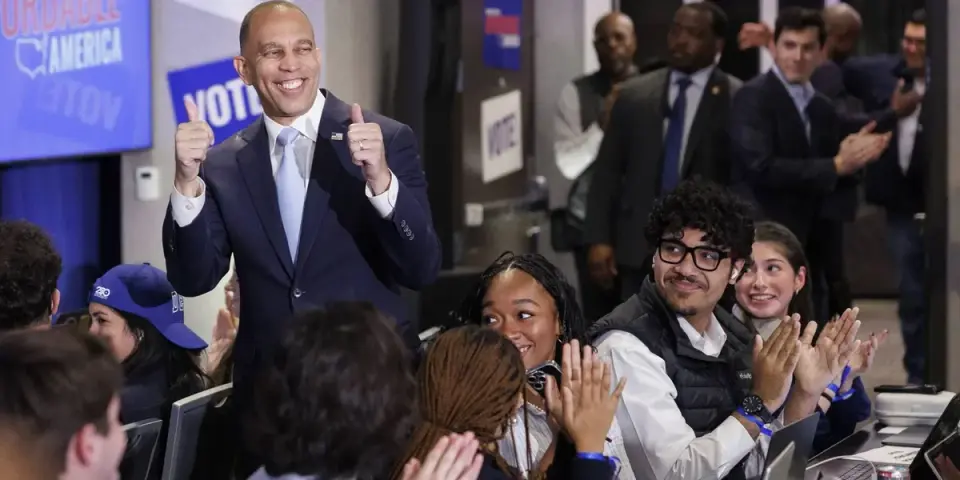
A Change.org petition opposing Rep. Hakeem Jeffries’s bid for House Speaker has surpassed one million signatures, reflecting intense grassroots frustration despite his strong position within the party. While Jeffries is the presumptive leader following a historic Democratic midterm victory, critics argue his record on Israel, corporate interests, and Medicare for All does not align with the populist mandate voters expressed. Axios reports that lawmakers are receiving hundreds of calls urging them to reject him, though no formal challenger has emerged. The New York Times questions whether his consensus-oriented style is sufficient for the role, while New York Magazine credits him with engineering the Democratic majority through centrist recruitment. Despite the public outcry, insiders believe Jeffries will still secure the gavel in January 2027.
Key points
- A Change.org petition titled 'House Democrats: CHOOSE A NEW SPEAKER' reached 1,004,752 verified signatures by November 7, 2026, calling on incoming members to vote against Jeffries.
- Democrats won at least 254 House seats in the 2026 midterms, reclaiming the majority from Republicans, who hold only 162 seats.
- Critics oppose Jeffries for his lack of support for Medicare for All, failure to restrict military aid to Israel, and perceived ties to corporate donors and pro-Israel groups.
- Axios reports that House Democrats are receiving hundreds of calls and emails urging them not to elect Jeffries, with some offices receiving over 500 such communications.
- No formal challenger has emerged; Jeffries remains the overwhelming favorite to become Speaker when the 120th Congress convenes on January 3, 2027.
- The New York Times notes that Jeffries must adapt his consensus-oriented style to manage a diverse, restive majority and serve as President Trump’s chief foil.
Background
Jeffries, a New York Democrat, has served as House Minority Leader since 2022 and is poised to become the first Black Speaker of the House. His leadership style has been characterized by bipartisan cooperation and consensus-building, which contrasts with the more radical demands of the party’s progressive wing. Previous coverage noted that while he is favored within the caucus, tensions exist over his positions on Israel and corporate interests. The 2026 midterms were described as a 'blue tsunami,' driven by populist demands for economic and policy changes, which has intensified scrutiny of establishment leaders like Jeffries and Senate Minority Leader Chuck Schumer.
How outlets are covering it
Common Dreams and Axios emphasize the disconnect between Jeffries and the progressive base, highlighting the massive petition and the volume of calls opposing his speakership. They frame the backlash as a response to his perceived failure to embrace bold policies like Medicare for All and restrictions on military aid to Israel. The New York Times offers a more neutral assessment, questioning whether Jeffries’s consensus-oriented approach is adequate for the challenges of leading a diverse majority and confronting President Trump. New York Magazine presents a contrasting view, crediting Jeffries with engineering the Democratic victory through strategic centrist recruitment, arguing that his realism was essential to winning the House majority. This divergence highlights the tension between establishment pragmatism and progressive idealism within the party.
Why it matters
The outcome of the Speaker vote will shape the legislative agenda of the 120th Congress and the Democratic Party’s ability to deliver on the populist promises that drove the 2026 midterm surge. If Jeffries secures the gavel, he will face pressure to balance establishment priorities with the demands of a more progressive base. The backlash underscores a deeper rift within the party, which could impact future policy decisions and the party’s long-term political strategy. Additionally, the Speaker’s role as third in the presidential line of succession adds constitutional significance to the position, making the leadership choice a critical moment for the Democratic Party’s direction.
What to watch
The Democratic leadership elections are scheduled for November 18-19, 2026, with a floor vote for Speaker expected when the new Congress convenes on January 3, 2027. While no formal challenger has emerged, the public pressure may influence Jeffries’s calculations and the concessions he offers to progressive members. The outcome will determine whether the Democratic majority can effectively pursue its agenda or face internal divisions that hinder legislative progress. Continued monitoring of the petition’s growth and any potential shifts in support among incoming members will be key indicators of the final vote.
- Petition Calling for House Speaker Other Than Hakeem Jeffries Hits 1 Million Signatures Common Dreams
- Opinion | He’s the Most Powerful Democrat in Washington. Is He Up to the Job? The New York Times
- House Democrats "inundated" with calls telling them not to elect Jeffries speaker Axios
- How Hakeem Jeffries Engineered the Democratic Rout New York Magazine
- The Big Win Was Fun for Hakeem Jeffries. Managing Divided Democrats Might Not Be. WSJ
Want the full story? Read the original reporting
Read on Common Dreams