
Wisconsin and Minnesota Primaries Test Democratic Unity Amid Progressive Surge
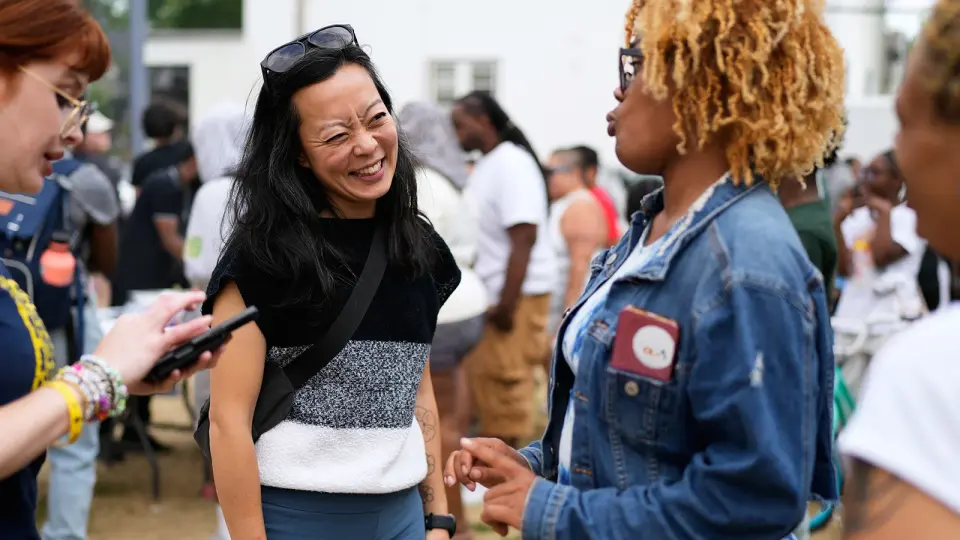
Wisconsin and Minnesota hold Democratic primaries on Aug. 11, featuring clashes between progressives and establishment figures. In Wisconsin, Gov. Tony Evers backs David Crowley against socialist Francesca Hong. In Minnesota, Rep. Angie Craig faces Lt. Gov. Peggy Flanagan in a costly Senate race shaped by immigration backlash. These contests follow a narrow progressive win in Michigan, testing the party's ability to unify before November.
Key points
- Wisconsin governor's primary pits socialist Francesca Hong against David Crowley, who is endorsed by Gov. Tony Evers.
- Minnesota Senate primary features a costly contest between moderate Rep. Angie Craig and progressive Lt. Gov. Peggy Flanagan.
- Republicans are spending nearly $3.6 million in Wisconsin to boost Hong, viewing her as a weaker opponent for Rep. Tom Tiffany.
- The races follow a narrow progressive victory in Michigan, intensifying fears among Democratic leaders about left-wing shifts in battleground states.
- Minnesota's race is influenced by a deadly federal immigration crackdown, while Wisconsin's is marked by chaotic candidate withdrawals.
Background
These primaries follow a pattern seen in earlier 2026 midterms, where progressive challengers have tested establishment-backed candidates in states like Michigan and Colorado. The Michigan Senate primary, where Abdul El-Sayed narrowly defeated Haley Stevens, highlighted tensions between the party's left wing and its leadership. Similarly, Colorado's primaries saw insurgent candidates challenge establishment figures, signaling a potential shift in Democratic strategy. The current Wisconsin and Minnesota contests are part of this broader national struggle to define the party's direction ahead of the general election.
How outlets are covering it
PBS Wisconsin and AP News emphasize the chaotic nature of the Wisconsin primary, highlighting the endorsements and spending involved. The New York Times focuses on the Minnesota Senate race, framing it as a test of left-wing energy in the party. MPR News provides a broader view of Minnesota's primary, noting the competitive nature of the Senate race and the involvement of various candidates. All sources agree on the significance of these primaries in shaping the Democratic Party's future, but they differ in their emphasis on the specific dynamics of each state's race.
Why it matters
The outcomes of these primaries will influence the Democratic Party's strategy for the 2026 general election. A progressive win could signal a shift in the party's direction, while an establishment victory might indicate a return to traditional strategies. The races also highlight the party's internal divisions and the challenges of unifying voters in battleground states. The results could have implications for the party's ability to win key offices in November, including the governor's office in Wisconsin and the Senate seat in Minnesota.
What to watch
The primary results will be announced on Aug. 11, with the winners facing their Republican opponents in November. The Democratic Party will need to unite behind the primary winners to maximize their chances of winning in the general election. The outcomes of these races will also provide insights into the party's future direction and the effectiveness of its strategies in battleground states.
- Wisconsin and Minnesota primaries next to feature clashes between progressive and establishment Democrats PBS Wisconsin
- Minnesota’s Democratic Senate Primary Pits Angie Craig Against Peggy Flanagan The New York Times
- Democrats Are Blaming Each Other Over Minnesota’s Welfare Fraud Scandal WSJ
- Choices on the direction of both parties await Minnesota primary voters MPR News
- Trump’s immigration crackdown looms over Minnesota’s bruising Senate primary AP News
Want the full story? Read the original reporting
Read on PBS Wisconsin