
Raman's First 100 Days: From Data Audits to LAPD Confrontation
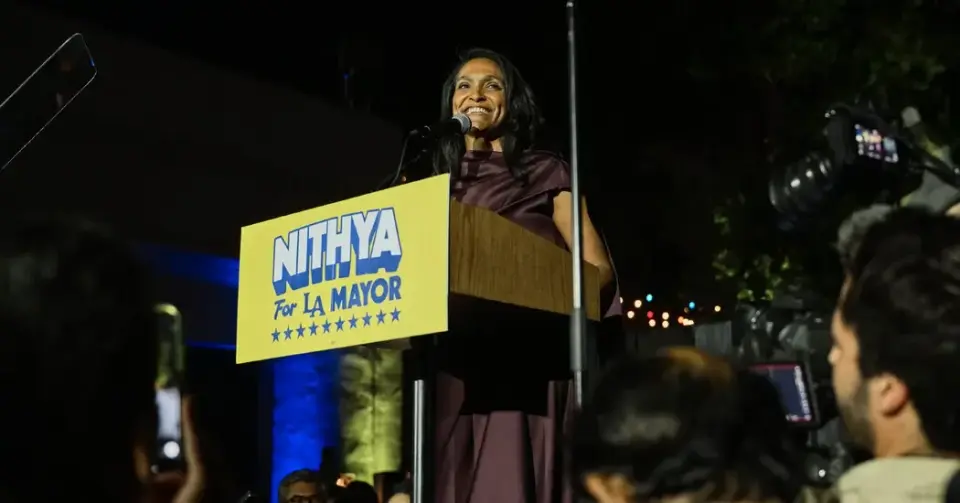
Incoming Los Angeles Mayor Nithya Raman has outlined a pragmatic 100-day agenda focused on data-driven audits and organizational restructuring, diverging from her democratic socialist label. Her administration faces immediate structural hurdles in replacing LAPD Chief Jim McDonnell, while community leaders in Pacific Palisades and Little Bangladesh express cautious optimism regarding her commitment to local recovery and infrastructure needs.
Key points
- Raman's initial 100-day plan emphasizes granular performance metrics, dashboards, and audits rather than ideological policy shifts like defunding police.
- Replacing LAPD Chief Jim McDonnell is a top priority, but the mayor cannot unilaterally fire him; removal requires a two-thirds City Council vote and confirmation of new commissioners.
- Raman has not named a specific successor for McDonnell, citing the need for a national search and potential outside consultants, while McDonnell maintains his commitment to public safety.
- Residents in Little Bangladesh credit Raman's direct engagement for their support, citing issues like broken sidewalks and fears related to federal immigration enforcement.
- Pacific Palisades community leaders are optimistic about Raman's willingness to continue existing recovery frameworks, though some remain cautious about the transition from Mayor Bass.
Background
Raman, a 45-year-old urban planning expert and member of the Democratic Socialists of America, defeated incumbent Karen Bass in a historic upset. Her victory follows a national wave of progressive wins, including Zohran Mamdani in New York. The city currently faces near-record-low crime rates but significant challenges in homelessness, housing affordability, and recovering from the Pacific Palisades fire. Previous mayors, including Bass and Eric Garcetti, often retained existing police chiefs, a pattern Raman intends to break.
How outlets are covering it
The New York Times highlights Raman's pragmatic, data-focused approach, noting her 100-day plan avoids radical DSA platforms in favor of administrative efficiency. The Los Angeles Times emphasizes the political and legal complexity of the LAPD leadership transition, noting Raman's indecisiveness on a successor and the structural barriers to removing McDonnell. LAist focuses on the demographic and community engagement aspects, highlighting how Raman's South Asian heritage and direct outreach in Little Bangladesh influenced voter turnout. The Palisadian-Post presents a mixed view from local leaders, with some praising Raman's potential to deliver tangible recovery structures and others expressing anxiety about the departure of Bass's established support systems.
Why it matters
Raman's administration will test the limits of mayoral power in Los Angeles, particularly regarding police oversight and public safety. Her ability to navigate the LAPD transition without causing institutional disarray, while simultaneously addressing homelessness and infrastructure deficits, will define her legacy. The outcome also signals a shift in South Asian political representation in major U.S. cities, moving from identity-based politics to executive power and policy implementation.
What to watch
Raman is expected to take office in December, with negotiations for the next police contract ramping up in January. She must confirm new police commissioners to potentially initiate removal proceedings against McDonnell. In the short term, she will focus on auditing city spending, including homelessness funds, and engaging with the Community Recovery Coordination Council in Pacific Palisades to move from planning to implementation.
- Raman Has Lots of Plans. Los Angeles Has Lots of Obstacles. The New York Times
- Nithya Raman’s election sets up an intense showdown with the LAPD Los Angeles Times
- In LA’s Little Bangladesh, Raman’s visits won votes. Now residents have a to-do list for her LAist
- What Will a Raman Administration Mean for Pacific Palisades? Palisadian-Post
- What mayor-elect Nithya Raman wants to change about LA Daily Bruin
Want the full story? Read the original reporting
Read on The New York Times