
Record 159 women set to serve in 120th Congress, but GOP faces 'crisis-level' decline
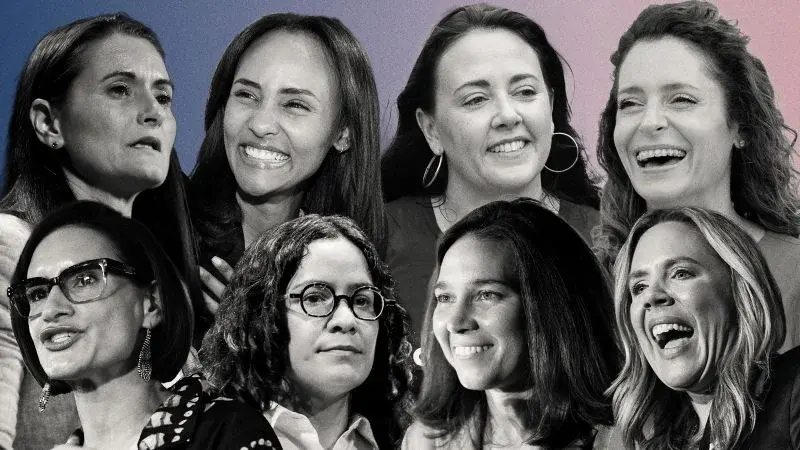
The 120th Congress will feature a record 159 women, a 30% representation rate, driven by a massive Democratic surge. While 17 women will serve as governors, including historic firsts for Black and Native American women, the gains are lopsided; Republican women face a 'crisis-level decline' in both chambers, and the Senate’s female representation will actually decrease.
Key points
- At least 159 women will serve in the 120th Congress, a new record that is seven more than the current 152, according to the Center for American Women and Politics (CAWP).
- Women will hold 30% of congressional seats, but remain approximately 100 seats short of gender parity.
- The House will set a new record with at least 136 women, while the Senate’s female representation will drop from 27 to at least 23.
- A record 17 women will serve as governors, including Keisha Lance Bottoms (first Black woman governor) and Deb Haaland (first Native American woman governor).
- Republican women are facing a 'crisis-level decline,' with only 19 women projected for the House and 7 for the Senate, compared to 115 and 16 Democratic women, respectively.
Background
This surge follows the 2018 election, where 36 non-incumbent women won House seats, a trend largely driven by Democratic recruitment efforts. The 2026 results reflect a broader 'blue wave' where Democrats flipped seats in deep-red territories, capitalizing on voter dissatisfaction with the Trump administration's policies on cost of living and reproductive rights. Previous records for female governors were set in 2025, but the 2026 cycle marks a significant expansion in both number and demographic diversity.
How outlets are covering it
CNN and CAWP emphasize the historic nature of the gains, highlighting new records for women in the House and as governors. However, they note the gains are heavily skewed toward Democrats, with Republican women facing a sharp decline. The Conversation focuses on the role of women voters, noting that 61% voted Democrat, a 13-point shift from 2024, driven by concerns over inflation and attacks on reproductive rights. NBC News highlights the specific historic firsts, such as the first Black and Native American women governors, and the record 17 female governors. All sources agree that while the numbers are historic, the partisan divide is widening, with GOP strategists calling the decline a 'crisis' that requires immediate recruitment and funding efforts.
Why it matters
The increase in women's representation could lead to policy shifts, particularly in healthcare and cost-of-living issues, as women are more likely to prioritize these concerns. The demographic diversity of the new cohort, including the first Black and Native American women governors, may also influence policy priorities. However, the lopsided partisan gains raise questions about the long-term sustainability of women's representation if the political landscape shifts back to Republican control.
What to watch
The 120th Congress will convene in January 2027, with the new women legislators taking office. The outcome of the Mississippi and Alaska Senate races, which are too close to call, could further impact the number of women in the Senate. GOP strategists are calling for immediate recruitment and funding efforts to address the 'crisis-level decline' in Republican women's representation, with a focus on competitive primaries and early financial support.
- A record number of women will serve in the next Congress CNN
- US midterms: women voters helped drive the ‘blue wave’ The Conversation
- Record number of female governors elected NBC News
- Results for Women Congressional and Statewide Executive Candidates in Election 2026 CAWP
- Women Will Hold at Least One-Third of Governorships—A New Record. Now Let’s Make It Last. Ms. Magazine
Want the full story? Read the original reporting
Read on CNN