
Rubio defends Iran war as necessary despite GOP losses, clashes with Vance
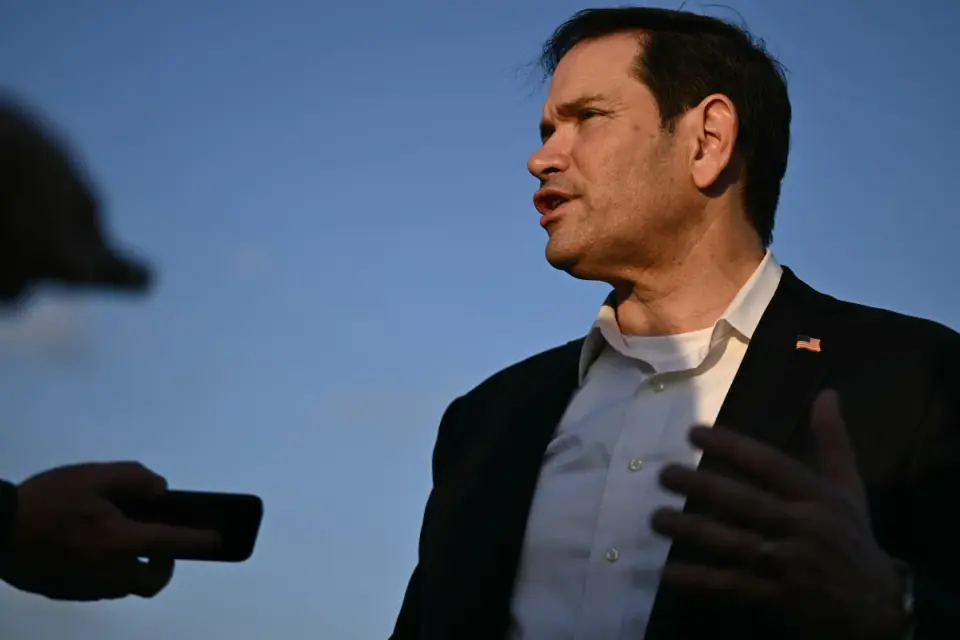
Secretary of State Marco Rubio defended the U.S. war against Iran as a necessary security measure, even if unpopular, while acknowledging the conflict contributed to Republican losses in the 2026 midterms. Rubio clashed with Vice President JD Vance, who blamed the war for the electoral defeat, and stated that diplomatic talks with Tehran are not near a breakthrough. President Trump reiterated that the U.S. has identified 38 bridges as potential strike targets if negotiations fail, though he expressed a preference for a diplomatic resolution.
Key points
- Rubio stated that confronting Iran’s nuclear ambitions was necessary for national security, even if the war was not popular with voters.
- The Iran war and resulting disruptions to the Strait of Hormuz raised energy prices, contributing to Democratic gains in Congress.
- Rubio and Vance, both potential 2028 presidential contenders, offered differing public assessments of the war’s impact on the election.
- Rubio said negotiations with Iran are not on the verge of a breakthrough, citing Tehran’s unrealistic demands.
- Trump confirmed the U.S. has identified 38 bridges as strike targets but said he does not intend to escalate the war immediately.
Background
The 2026 midterm elections resulted in a significant Republican defeat, with voters citing high energy prices and economic strain linked to the Iran conflict. Prior to the election, tensions were high as the U.S. considered strikes and Iran threatened retaliation. The White House recently denied rumors of resignations for Rubio and Defense Secretary Pete Hegseth, though Hegseth faces impeachment threats from some Republicans. Rubio has previously stated that Iran missed multiple opportunities for a deal and that the U.S. prefers a diplomatic solution while maintaining military readiness.
Why it matters
The conflict between Rubio and Vance highlights internal divisions within the Republican Party regarding the Iran war’s legacy and its impact on the 2028 presidential race. The war’s economic fallout, particularly through disrupted oil shipments in the Strait of Hormuz, directly influenced voter sentiment and the loss of congressional control. The lack of progress in diplomatic talks, combined with the U.S. identification of new strike targets, suggests the conflict may remain unresolved, with potential for renewed military action if negotiations fail.
What to watch
Trump is scheduled to meet with Qatari Prime Minister Sheikh Mohammed bin Abdulrahman Al Thani to discuss mediation efforts. Rubio will attend a G7 foreign ministers meeting in Paris to discuss Iran, Ukraine, and AI. The U.S. will continue limited strikes on Iranian air defenses and naval blockade enforcement, while monitoring negotiations for a potential agreement.
Want the full story? Read the original reporting
Read on AP News