
Senate clears procedural hurdle for sweeping permitting reform bill
The US Senate voted 70-27 to end debate on the Bipartisan American Affordability and Jobs Act (BAAJA), clearing the path for a final vote before the Thanksgiving recess. The 400-plus page bill aims to drastically cut permitting times for energy, mining, and infrastructure projects, potentially reducing transmission line construction from over a decade to five or six years. While proponents argue it will lower energy costs and unlock grid capacity, critics warn it weakens environmental protections under laws like the National Environmental Policy Act and favors fossil fuel expansion. The legislation now faces significant hurdles in the House, where Democratic leaders have threatened to block it without changes to grid reliability and environmental review provisions.
Key points
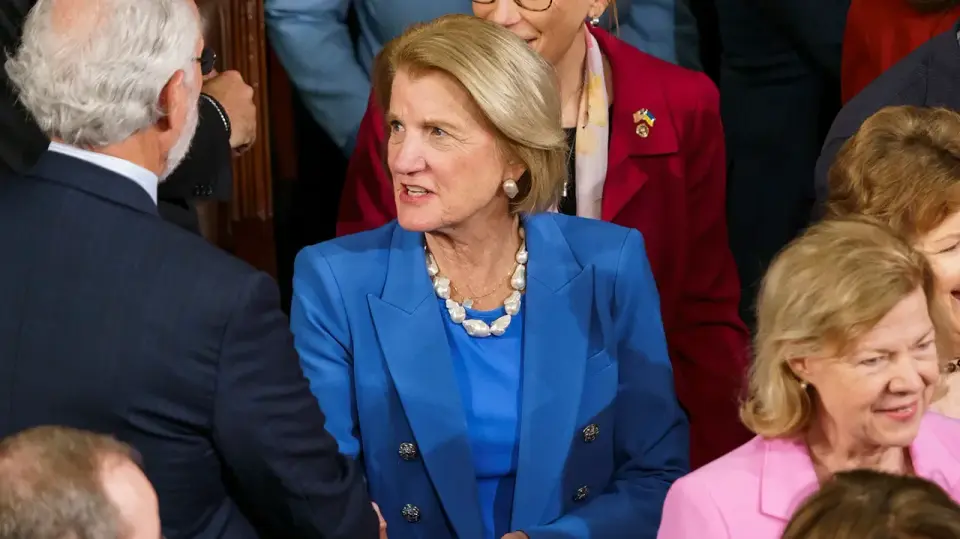
- Senate voted 70-27 to invoke cloture on the BAAJA, sponsored by Sen. Shelley Moore Capito (R-W.Va.), setting up a final vote before the Thanksgiving recess.
- The bill would speed up construction of energy, mining, and infrastructure projects while limiting environmental challenges under the Clean Water Act, Endangered Species Act, NEPA, and National Historic Preservation Act.
- It seeks to dramatically boost transmission line capacity, potentially reducing construction time from 10+ years to 5-6 years, and directs FERC to establish timelines for utility upgrades.
- Some Senate Democrats, including Sen. Catherine Cortez Masto (D-Nev.), threatened to oppose final passage unless changes were made, particularly regarding the National Historic Preservation Act.
- The bill faces opposition in the House from pro-conservation advocates like Reps. Jared Huffman (D-Calif.), Adelita Grijalva (D-Ariz.), Summer Lee (D-Pa.), Melanie Stansbury (D-N.M.), and Rashida Tlaib (D-Mich.).
- President Trump has expressed strong support, saying he is '100 percent' behind it and may help whip House Republicans to support the legislation.
Background
The BAAJA has been advancing through the Senate for weeks, with earlier procedural votes in early November. Industry lobbyists had shifted focus to the House, where support is less certain. The bill's provisions significantly restrict judicial remedies for environmental challenges, potentially rendering NEPA largely irrelevant by preventing courts from issuing injunctions or vacating permits. Democrats face internal pressure over whether to support or block the measure, with some warning it weakens environmental protections and favors fossil fuels, while others argue it is necessary to address climate change and energy costs.
How outlets are covering it
The Hill reports on the procedural vote and the bill's provisions, noting support from Trump and some Democrats, but also opposition from environmental groups and a faction of Senate Democrats. The New York Times, via Ezra Klein, argues the bill is the largest reimagining of the federal permitting process in a generation, necessary to address the inability to build needed energy infrastructure, but acknowledges uncertainty about its implementation. The Guardian highlights Al Gore's opposition, calling the bill a 'serious mistake' that would lock in fossil fuel facilities, while Sen. Whitehouse defends the bill as a step toward reducing emissions, noting that clean energy development is now outpacing fossil fuel development. The sources differ on the bill's environmental impact, with critics warning of weakened protections and proponents arguing it will lower energy costs and unlock grid capacity.
Why it matters
The BAAJA represents a significant shift in federal permitting policy, potentially accelerating construction of both clean energy and fossil fuel infrastructure. Its passage could impact energy costs, grid reliability, and environmental protections, with implications for climate change mitigation and public health. The bill's outcome will influence future energy policy and infrastructure development, particularly as Democrats gain control of Congress in January and may craft a more renewables-friendly permitting bill.
What to watch
A final Senate vote on the BAAJA is expected before the Thanksgiving recess. If passed, the bill will move to the House, where it faces significant hurdles from Democratic leaders who have threatened to block it without changes to grid reliability and environmental review provisions. President Trump has indicated he may help whip House Republicans to support the legislation. If the bill passes, it could be signed into law, potentially altering federal permitting processes for energy, mining, and infrastructure projects. If it fails, proponents argue there may be no legislation to address current permitting delays, while critics argue Democrats can craft a more renewables-friendly bill when they gain control of Congress.
- Senate clears hurdle for bipartisan permitting reform package The Hill
- Senate takes big step toward passing permitting reform package The Hill
- Opinion | The Risk Democrats Need to Take The New York Times
- 263. Congress Should Press Pause on BAAJA One First | Steve Vladeck
- Passing bill to speed up gas projects and datacenters would be ‘serious mistake’, Al Gore says The Guardian
Want the full story? Read the original reporting
Read on The Hill