
Senate ends debate on BAAJA, setting stage for final vote before Thanksgiving
The US Senate voted 70-27 to end debate on the Bipartisan American Affordability and Jobs Act (BAAJA), clearing the procedural path for a final vote before the Thanksgiving recess. The 400-plus page bill aims to drastically cut permitting times for energy, mining, and infrastructure projects, potentially reducing transmission line construction from over a decade to five or six years. While industry and some Democrats support the measure for lowering energy costs, environmental groups and a faction of Senate Democrats oppose it, citing weakened protections under the National Environmental Policy Act and concerns over fossil fuel expansion. The legislation now faces significant hurdles in the House, where Democratic leaders have threatened to block it without changes to grid reliability and environmental review provisions.
Key points
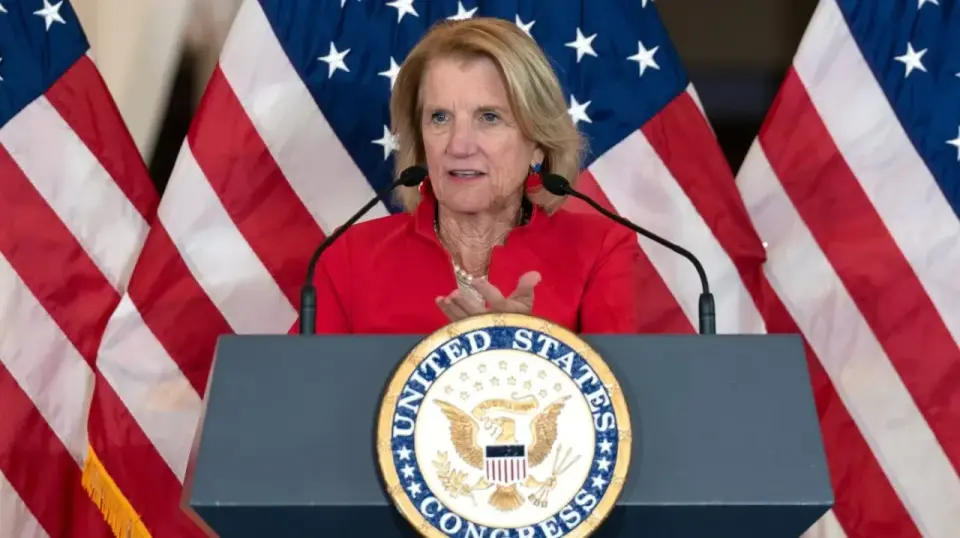
- Senate invoked cloture 70-27 on a substitute amendment to the BAAJA, sponsored by Sen. Shelley Moore Capito (R-W.Va.), ending debate and setting up a final vote before the Thanksgiving recess.
- The bill seeks to speed up construction of energy, mining, and infrastructure projects by limiting challenges under the Clean Water Act, Endangered Species Act, National Environmental Policy Act, and National Historic Preservation Act.
- Proponents, including Senate Energy and Natural Resources Ranking Member Martin Heinrich (D-N.M.), argue the bill will lower household electricity bills by $50 to $78 per month by 2040 and ensure data centers pay for grid upgrades.
- Opponents, including Sen. Jeff Merkley (D-Ore.) and environmental groups like the Sierra Club, warn the bill accelerates fossil fuel extraction, weakens environmental reviews, and could allow companies to sue the government for fuel-type discrimination.
- The House remains a major obstacle, with Energy and Commerce Chair Brett Guthrie (R-Ky.) calling for changes to grid reliability provisions and several House Democrats, including Reps. Jared Huffman and Adelita Grijalva, opposing the measure.
- President Trump has expressed strong support for the bill, stating he is 'behind it 100 percent' and may help whip House Republicans to support passage, though he has also vowed not to approve wind turbines regardless of the bill's outcome.
Background
The BAAJA has been advancing through the Senate for over a week, with earlier procedural votes in early November facing opposition from environmental and tribal groups over weakened protections. The current cloture vote follows previous steps to move the 494-page bill closer to final passage, highlighting ongoing internal Democratic divisions and anticipated House resistance.
How outlets are covering it
The Hill reports that the cloture vote passed 70-27, with significant Democratic support in the Senate, while noting that some Democrats, such as Sen. Catherine Cortez Masto, threatened to oppose final passage without changes to the National Historic Preservation Act provisions. The New York Times opinion by Ezra Klein frames the bill as a necessary 'risk' to overcome a broken permitting system, arguing that the status quo guarantees failure in building needed energy infrastructure, though he acknowledges uncertainty about the bill's complex provisions. The Hill highlights opposition from environmental groups and specific House Democrats, while the Times emphasizes the bill's potential to shift decision-making from agencies and courts to elections and markets. Both sources agree on the bill's scale and impact but differ in tone, with The Hill focusing on procedural and political hurdles and the Times focusing on the broader policy necessity.
Why it matters
The BAAJA represents a major shift in federal permitting policy, potentially accelerating the construction of energy and infrastructure projects while altering the balance of power between agencies, courts, and the public. Its passage could significantly impact energy costs, environmental protections, and the pace of clean energy and fossil fuel development, with implications for both the US economy and climate policy.
What to watch
The Senate is expected to vote on final passage of the BAAJA before the Thanksgiving recess. The bill must then pass the House, where it faces opposition from Democratic leaders and potential amendments from Energy and Commerce Chair Brett Guthrie. If passed, President Trump is expected to sign the bill into law.
- Senate takes big step toward passing permitting reform package The Hill
- 263. Congress Should Press Pause on BAAJA One First | Steve Vladeck
- Opinion | The Risk Democrats Need to Take The New York Times
- The Senate Permitting Bill Deserves a ‘Hard Look’ Before a Vote Bloomberg Law News
- This week: Permitting bill hits Senate floor amid aviation funding fight Roll Call
Want the full story? Read the original reporting
Read on The Hill