
Senate passes sweeping energy permitting bill, splitting 2028 hopefuls and environmentalists
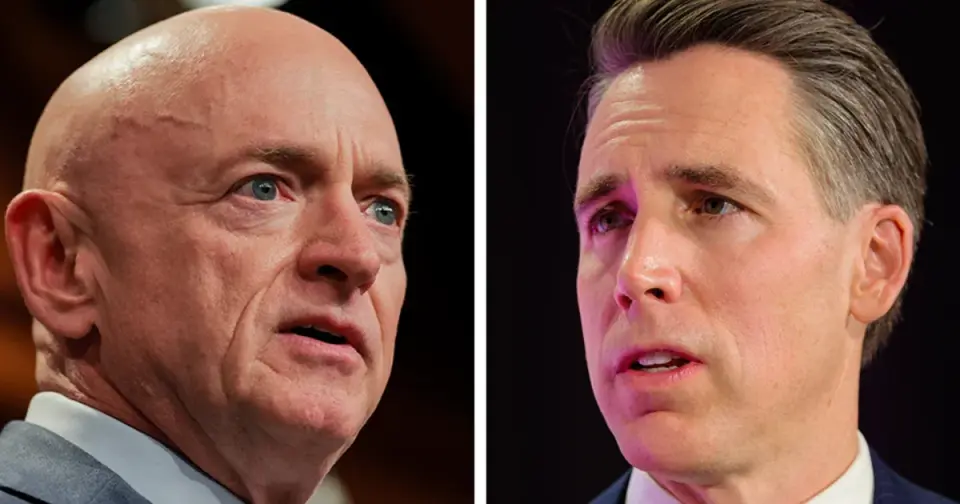
The US Senate passed the Bipartisan American Affordability and Jobs Act, 62-33, to expedite energy and infrastructure projects. The bill modifies the National Environmental Policy Act, restricts presidential permit revocations, and mandates data centers cover electricity costs. It now moves to the House, where its fate is uncertain.
Key points
- The Senate approved the Bipartisan American Affordability and Jobs Act, 62-33, to streamline approvals for power plants, pipelines, and transmission lines.
- The legislation amends the National Environmental Policy Act, allowing federal regulators to approve transmission lines if states delay action.
- The bill prevents presidents from revoking energy project permits and shortens timelines for lawsuits, limiting legal challenges to those who submitted public comments.
- Large data centers are required to pay for increased electricity costs under the new rules.
- The measure faces an uncertain path in the House, where it competes with a crowded legislative calendar.
Background
This legislation follows a period of intense debate over energy infrastructure and 2028 presidential prospects. Recent archive coverage highlights a fractured political landscape, including Democratic leaders like Chris Van Hollen and Jon Ossoff ruling out 2028 bids, and Republican VP JD Vance facing a political crisis over the Iran war. The current bill represents a rare bipartisan compromise in a polarized environment, aiming to address energy costs and infrastructure delays that have plagued both parties.
How outlets are covering it
Supporters, including Senator John Hickenlooper and the Washington Post editorial board, argue the bill is a historic compromise that will lower energy bills and accelerate clean energy projects. Opponents, such as Senator Michael Bennet, criticize the bill for insufficiently addressing tribal sovereignty and environmental protections. The New York Times notes the bill’s broad implications could accelerate controversial projects, including a Trump-backed arch near Arlington National Cemetery and a new golf course in Washington. Colorado Public Radio highlights the split between Hickenlooper, who voted for the bill, and Bennet, who voted against it, reflecting broader divisions among 2028 presidential prospects.
Why it matters
The bill’s passage could reshape energy policy in the US, potentially lowering costs and accelerating infrastructure development. However, its broad changes to environmental laws and permit revocation processes may face significant legal and political challenges in the House. The outcome will influence the 2028 presidential race, as candidates must navigate the trade-offs between energy affordability and environmental protection.
What to watch
The bill now moves to the House, where it faces an uncertain fate due to a crowded legislative calendar. Lawmakers will debate its provisions, particularly the changes to the National Environmental Policy Act and the restrictions on presidential permit revocations. The House vote will determine whether the bill becomes law or stalls in committee.
- Senate 2028 presidential prospects divide over energy bill easing rules to build NBC News
- It’s a Bill on Energy Permits, but Trump’s Pet Projects Are Part of the Debate The New York Times
- Opinion | America is one vote away from getting back to building The Washington Post
- Opinion | It’s a Permitting Miracle in the Senate WSJ
- Colorado senators diverge on permitting package Colorado Public Radio
Want the full story? Read the original reporting
Read on NBC News