
Susan Collins Concedes Maine Seat to Troy Jackson After 30-Year Tenure
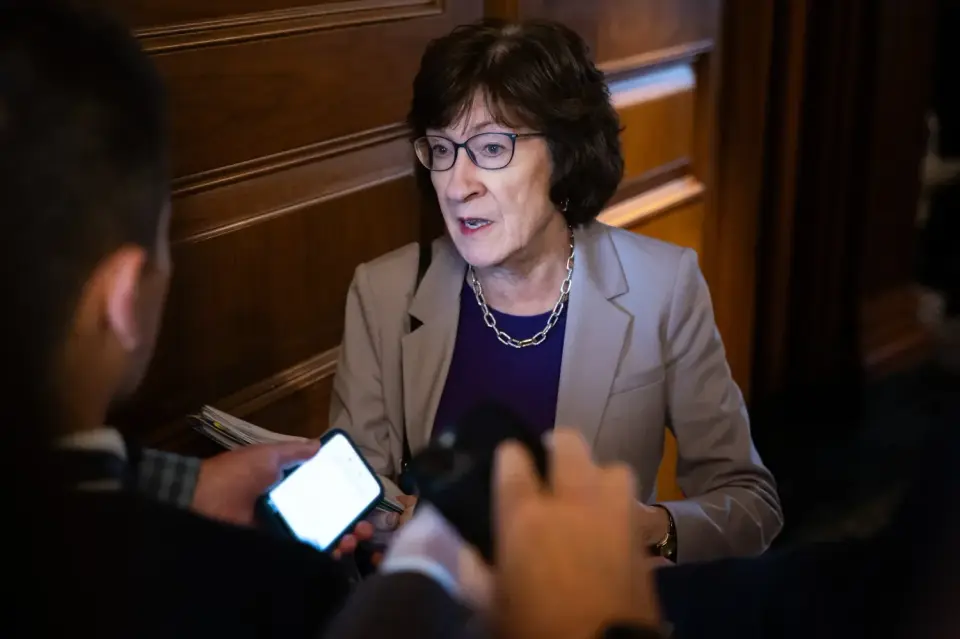
Republican Senator Susan Collins lost her 30-year tenure in Maine to Democrat Troy Jackson in the 2026 midterms, securing a Democratic majority in the US Senate. Collins, who had previously overperformed polls, conceded defeat after undershooting expectations by 6.7 points. She blamed voters for seeking 'angry rhetoric' rather than results, while Jackson cited economic pain, healthcare costs, and opposition to Trump policies as key drivers. The race was heavily influenced by abortion rights, healthcare affordability, and Collins’s perceived alignment with the Trump administration, despite her occasional breaks with the party.
Key points
- Collins lost to Jackson by 6.7 points, undershooting pre-election polls that had her down by 3.9 points.
- Jackson won 84% of the vote in Portland and performed strongly in suburban areas, while Collins held northern rural towns.
- Collins blamed her loss on voters demanding 'angry rhetoric' rather than results, citing her vote to convict Trump in the second impeachment trial.
- Jackson emphasized healthcare costs, abortion rights, and opposition to Trump policies, including Medicaid cuts and tariff impacts on heating oil.
- Collins’s support for Brett Kavanaugh and confirmation of anti-abortion judges were central to Democratic attacks, with Planned Parenthood making its largest ad buy in Maine against her.
- Jackson, a former logger and state senate president, won after replacing disgraced nominee Graham Platner in a late campaign shift.
Background
Collins had won in Maine in 2020 despite national Democratic trends, earning a reputation as a political 'unicorn.' Her 2026 loss marked the first time she faced voters since the overturning of Roe v. Wade, a decision she helped enable by confirming Kavanaugh. Prior coverage noted growing voter disillusionment over economic pain and perceived loss of bipartisan independence, with Trump’s tariffs and healthcare cuts exacerbating local concerns.
How outlets are covering it
Daily Kos emphasized Collins’s refusal to take responsibility for her role in rolling back reproductive rights and her shock at losing, framing her as out of touch with voters. Vox highlighted the role of healthcare costs and abortion rights in the race, noting that 46% of Mainers reported worsening family finances and that abortion was the second-largest focus of campaign ads. The American Prospect focused on Jackson’s working-class appeal and the contrast between Collins’s establishment image and Jackson’s grassroots strategy, including his response to classist attacks by Collins’s surrogates. All sources agreed that Collins’s alignment with Trump, despite occasional breaks, was a major factor in her defeat, but differed in emphasis: Daily Kos focused on her character, Vox on policy issues, and The Prospect on class dynamics and campaign tactics.
Why it matters
Collins’s loss secures a Democratic majority in the US Senate, granting the party control of the entire Congress for the final two years of Trump’s term. It signals a shift in Maine’s political landscape, where economic pain and opposition to Trump policies outweighed traditional Republican loyalty. The result also underscores the growing influence of healthcare costs and abortion rights in midterm elections, even in states where these issues were previously less prominent.
What to watch
Jackson will be sworn in when the 120th Congress convenes in January 2027. He has pledged to prioritize healthcare reform, labor issues, and immigration enforcement with a focus on humanity. Democrats will now control both chambers of Congress, potentially blocking or shaping Trump’s remaining legislative agenda. Collins will transition to a private citizen, with her political influence likely diminished after the loss.
- Susan Collins takes no responsibility for her loss Daily Kos
- ‘It Is Never Enough’: Susan Collins Couldn’t Outrun Trump The New York Times
- ‘Enough is enough’: Trump, affordability, and the demise of Susan Collins’ 30-year dominance The Boston Globe
- 3 things that finally brought down Susan Collins Vox
- ‘We Can’t Eat Road Salt’: Other Maine Takeaways The American Prospect
Want the full story? Read the original reporting
Read on Daily Kos