
Texas Democrats face structural hurdles reversing GOP university overhauls
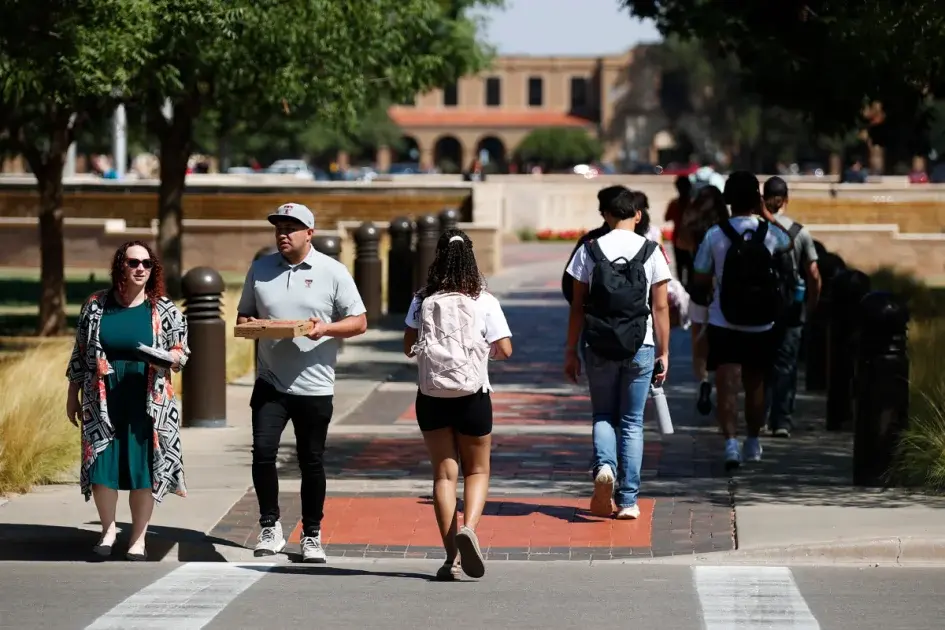
Gov.-elect Gina Hinojosa inherits a Texas higher education system heavily restructured by Republicans, including bans on DEI programs and expanded regent authority. While Democrats control the House, the GOP retains the Senate, complicating legislative repeal. Hinojosa can replace regents as terms expire, but cannot directly remove university presidents or chancellors appointed by those boards. Experts note that some campus restrictions exceeded legal requirements, offering potential avenues for reversal without new legislation.
Key points
- Hinojosa and Lt. Gov.-elect Vikki Goodwin campaigned on K-12 education but offered few specifics on reversing conservative higher education policies.
- Republicans retained the Texas Senate, where they can block legislative efforts to repeal Senate Bill 17 (DEI ban) and Senate Bill 37 (regent authority expansion).
- Hinojosa can replace 20 regents whose terms expire next year, but cannot remove university leaders appointed by those boards.
- Former Lt. Gov. Dan Patrick, who influenced regent confirmations, is leaving office, potentially shifting the political tone of higher education debates.
- Some university administrators may voluntarily relax restrictions that exceeded legal requirements, though others may double down on conservative policies.
Background
In 2025, Texas Republicans enacted sweeping changes to public universities, including banning DEI programs and expanding regent control over academic decisions. These moves were part of a broader conservative push in higher education that predated the current administration. The 2026 midterms saw a significant Democratic shift in Texas, with Hinojosa winning the governorship and Democrats taking the House, but Republicans holding the Senate. This creates a mixed political landscape for reversing prior policies.
How outlets are covering it
The Texas Tribune emphasizes the structural barriers Hinojosa faces, noting that while she can replace regents, she cannot directly remove university leaders. It highlights the potential for voluntary relaxation of restrictions by administrators. The Center Square focuses on the legislative outcome, noting that Democrats will control the House but Republicans retain the Senate, which could block repeal efforts. Inside Higher Ed, while largely obscured by cookie notices, likely discusses the broader implications for university boards and governance. All sources agree that the political shift creates uncertainty about the future of conservative higher education policies in Texas.
Why it matters
The outcome of this political shift will determine the direction of Texas higher education, affecting academic freedom, funding, and the scope of conservative policies on campuses. The ability to reverse or maintain these changes will influence national debates on higher education governance and the role of state legislatures in university affairs.
What to watch
Hinojosa will begin replacing regents as terms expire, starting with 20 in the next year. The legislature may revisit Senate Bill 17 and 37, but Republican control of the Senate could block repeal. University administrators may voluntarily adjust restrictions, and legal challenges to conservative policies may continue in federal courts. The new Attorney General, Nathan Johnson, may also challenge federal actions affecting Texas universities.
- Democrats inheriting Texas colleges the GOP overhauled in conservative push The Texas Tribune
- Democrats win full control of more state governments and the Texas House PBS
- Republicans keep majority in Texas Senate, Democrats likely to take Texas House The Center Square
- Texas Democrats Prepare to Relearn a Skill: How to Govern The New York Times
- Democrats’ Texas Takeover Could Reshape Boards and More Inside Higher Ed
Want the full story? Read the original reporting
Read on The Texas Tribune