
Texas Democrats Launch 2027 Session with Medicaid Expansion and Data Center Reforms
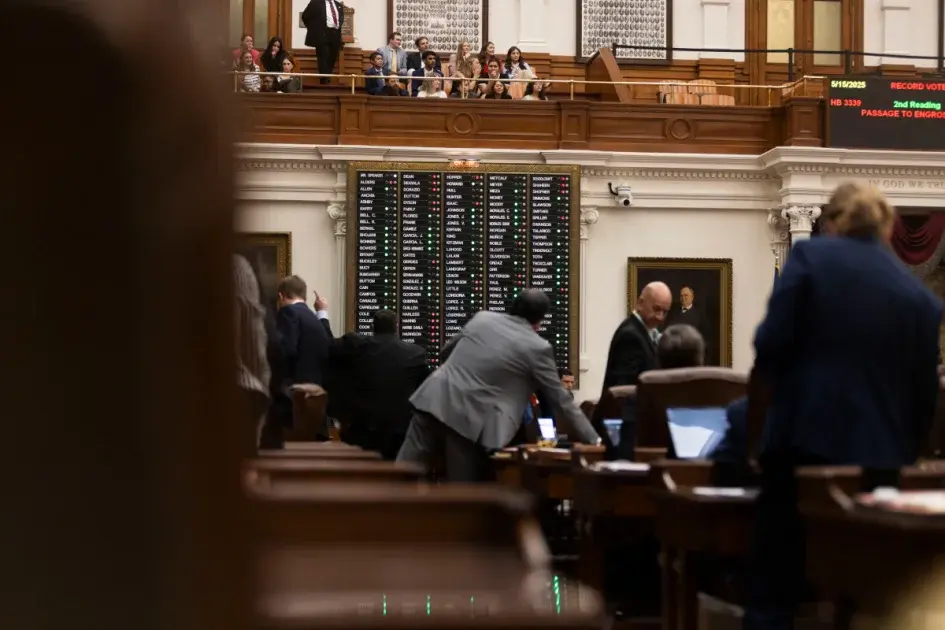
The 90th Texas Legislature began its unofficial session on November 9, 2026, with Democrats filing over 340 bills in the first two hours. Key proposals include expanding Medicaid, which could cover one million more residents and cost up to $10 billion annually, and ending tax breaks for data centers. While Democrats control the House and governorship, Republicans retain the Senate, creating a divided government. Speaker-elect Senfronia Thompson and Lieutenant Governor-elect Vikki Goodwin are set to take office, with Governor-elect Gina Hinojosa signaling a willingness to seek bipartisan compromise on economic and educational issues.
Key points
- House and Senate Democrats filed bills to expand Medicaid, a policy previously blocked by Republicans that would utilize federal funds to cover an additional one million Texans.
- Legislative proposals include ending tax incentives for data centers, raising the state minimum wage, and repealing laws requiring sheriffs to cooperate with federal immigration enforcement.
- Democrats secured control of the Texas House and the governorship in the 2026 midterms, but Republicans maintain a majority in the state Senate, complicating the passage of major legislation.
- Senfronia Thompson is set to become the next House Speaker, while Vikki Goodwin will preside over the Senate as Lieutenant Governor, marking a significant shift in state leadership.
- Governor-elect Gina Hinojosa has appointed a bipartisan transition team and expressed hope for cooperation with Republican legislators to advance policies focused on working people and affordability.
Background
This legislative session follows the 2026 midterms, where Democrats achieved a historic wave, flipping over 500 state legislative seats nationwide and securing a governing trifecta in Texas. This marks the first time a Democrat has held the Texas governorship in nearly four decades. Previous coverage noted that Hinojosa’s administration would face structural hurdles due to the Republican-controlled Senate, which previously blocked Medicaid expansion and passed school voucher programs. The current session represents the first opportunity for the new Democratic leadership to test their ability to pass legislation in a divided government, contrasting with the unified control previously held by Republicans under Governor Greg Abbott.
Why it matters
The initial bill filings signal the priorities of the new Democratic leadership in Texas, focusing on healthcare access, economic regulation, and education reform. The success of these proposals depends on the ability to navigate a divided legislature, where the Republican Senate majority may block key initiatives. The outcome of this session will determine whether the 2026 electoral shift translates into substantive policy changes or results in legislative gridlock, impacting millions of Texans through healthcare coverage, tax policy, and public education funding.
What to watch
Bill filing will continue through March 12, 2026, with hundreds more expected. The 90th Texas Legislature will officially convene on January 12, 2027. Democrats must elect a new House Speaker to replace Dustin Burrows, and the new leadership will need to negotiate with the Republican Senate to pass any major legislation, particularly regarding Medicaid expansion and data center regulations.
Want the full story? Read the original reporting
Read on The Texas Tribune