
Texas officials target Muslim religious practices as political threats
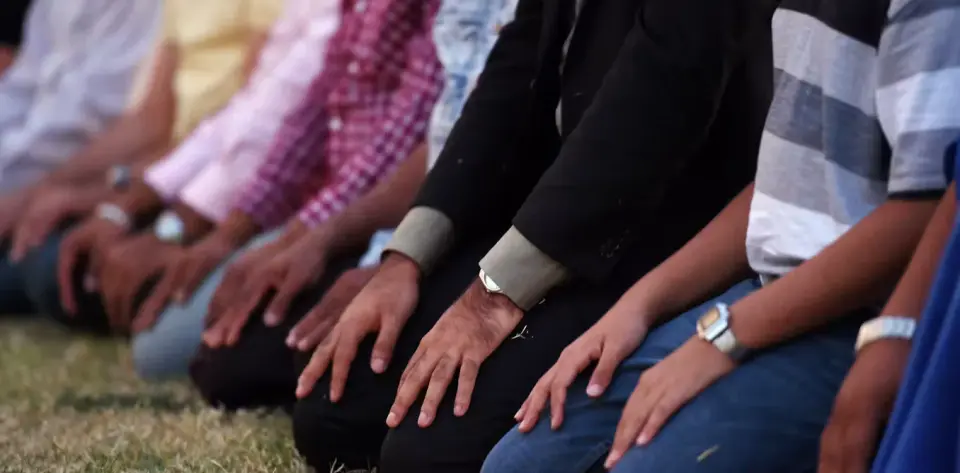
Texas state officials are increasingly treating ordinary Muslim religious practices, including prayer, dress, and arbitration, as political threats rather than protected religious exercise. Governor Greg Abbott has designated the Council on American-Islamic Relations as a foreign terrorist organization and threatened funding for cities and airports that accommodate Muslim needs, such as ablution stations. Meanwhile, Attorney General Ken Paxton has investigated Islamic arbitration tribunals and a Muslim-friendly housing development, framing these actions as security measures rather than religious discrimination.
Key points
- Gov. Greg Abbott designated the Council on American-Islamic Relations a foreign terrorist organization under Texas law.
- Abbott threatened to withhold $530,000 in state funding from Grand Prairie over a private Eid celebration and blocked funding for Dallas-Fort Worth International Airport over ablution stations.
- Attorney General Ken Paxton opened an investigation into the Islamic Tribunal, accusing it of falsely claiming judicial approval, and sued developers of a Muslim-friendly housing project outside Dallas.
- State Rep. Alan Schoolcraft, leading the 'Sharia Free Texas Caucus,' argues Islam is 'much more than a religion' and that lawmakers should define what qualifies as religion to prevent 'parallel cultures.'
- Critics note that similar accommodations for other faiths, such as Jewish arbitration or Christian mediation, are not subject to the same level of scrutiny or political attack.
Background
This escalation follows a series of recent actions by Texas officials targeting Muslim infrastructure, including Abbott's push for federal probes into airport ablution stations in August 2026. These moves occur 25 years after the 9/11 attacks, a period that hardened suspicion of Islam in American politics. The current actions align with a broader pattern where ordinary religious practices are recast as political or security threats, a phenomenon previously documented in legal scholarship regarding the distinction between sharia as ethical principles versus a competing legal code.
Why it matters
The actions by Texas officials raise significant constitutional questions regarding the First Amendment's protection of religious exercise. By singling out Islamic practices for scrutiny while ignoring similar accommodations for other faiths, state leaders may be establishing a precedent that defines religion by political convenience rather than legal standard. This could undermine the legal protections for religious minorities and set a dangerous tone for civil rights across the United States.
What to watch
Legal challenges are likely to follow the ongoing investigations into the Islamic Tribunal and the housing development. The outcome of these cases, along with the potential loss of state funding for airports and cities, will determine whether Texas's aggressive stance on Muslim religious practices can withstand judicial review. Additionally, the definition of 'religion' proposed by state lawmakers may face further legal scrutiny as courts evaluate whether Islam is being treated as a political ideology rather than a protected faith.
Want the full story? Read the original reporting
Read on The Conversation