
Top U.S. General Vows No Troops at 2026 Midterm Polls
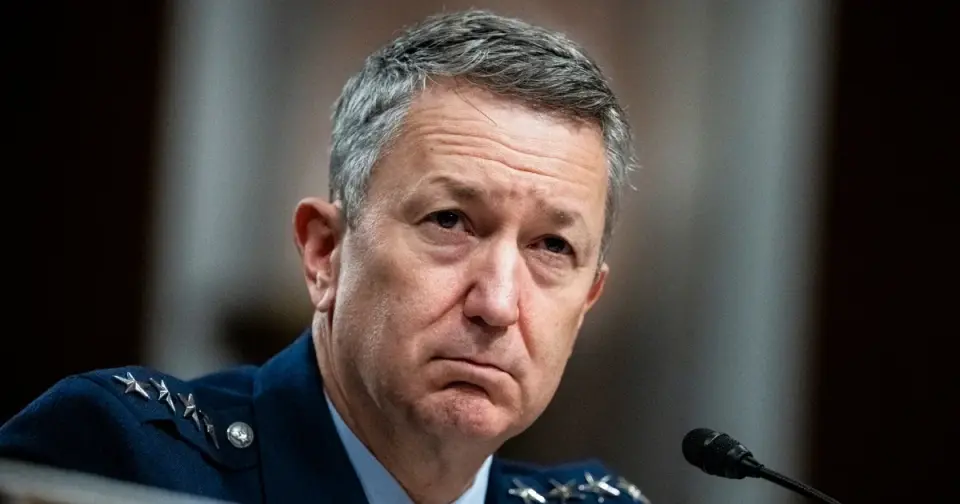
Chairman of the Joint Chiefs of Staff Gen. Dan Caine confirmed in a letter to Sen. Elissa Slotkin that the U.S. military will not deploy troops to polling places during the November 2026 midterm elections. Caine stated that election security remains the responsibility of state and local officials and that he has not received any unlawful orders regarding military involvement. This clarification addresses concerns raised by Democrats following President Trump’s previous deployments of the National Guard to Democratic-run cities and his earlier comments about seizing voting machines.
Key points
- Gen. Dan Caine, the chairman of the Joint Chiefs of Staff, wrote to Sen. Elissa Slotkin confirming no plans to send federal military or National Guard personnel to polling places in November 2026.
- Caine explicitly stated that the Joint Force has no intention of using personnel to seize ballots, voting machines, or other election-related materials.
- The general noted that he has neither received nor anticipates receiving any unlawful orders concerning the military's role in the upcoming elections.
- Caine emphasized that election administration and security are the fundamental responsibilities of state and local officials, not the federal military.
- Federal law prohibits the presence of U.S. troops at polls unless necessary to repel armed enemies of the United States.
- The letter was prompted by Slotkin’s inquiry regarding the role of armed forces during the elections, following President Trump’s January comments to The New York Times about regretting not sending the military to seize voting machines after 2020.
Background
This development follows a pattern of tension between the executive branch and military leadership regarding election integrity. In 2020, then-Joint Chiefs Chairman Gen. Mark Milley similarly assured Congress that the military would not be involved in the election process, citing constitutional procedures and the rule of law. Current concerns are heightened by President Trump’s previous actions, including deploying National Guard troops to Democratic-run cities over local objections and his public statements questioning the 2020 election results. The archive articles provided do not relate to this domestic political issue, focusing instead on international military deployments in Ukraine and Lebanon, and thus offer no relevant background for this specific story.
Why it matters
The assurance from the top military officer provides a critical check on potential executive overreach, reinforcing the legal and constitutional boundaries that separate military operations from domestic election administration. It aims to alleviate fears among voters and lawmakers that federal forces could be used to influence or disrupt the democratic process, a concern that has grown since the 2020 election and subsequent deployments of the National Guard to major cities.
What to watch
The focus will now shift to the implementation of state and local security measures for the November elections, as well as the potential passage of the Senate Democratic legislation aimed at explicitly banning federal military presence at polling sites. Observers will also watch for any further statements from the White House or Defense Secretary Pete Hegseth regarding the military's role in election security.
Want the full story? Read the original reporting
Read on NBC News