
Interior Department Details $84,000 Plan for Warning Signs at Smithsonian Museum
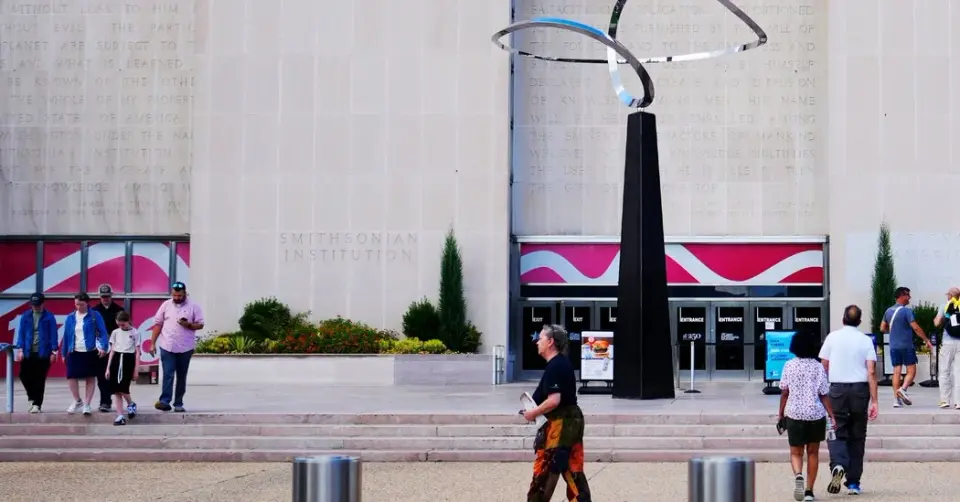
The Trump administration is moving forward with a plan to install temporary warning signs outside the National Museum of American History. Interior Secretary Doug Burgum outlined the initiative in letters to senators, detailing a $84,000 cost for 12 signs intended to critique the museum’s historical narratives. While the exact text remains unconfirmed, the administration frames the move as a response to what it calls 'revisionist' history, intensifying ongoing conflicts over the institution’s independence and content.
Key points
- Interior Secretary Doug Burgum sent letters to Senators Lisa Murkowski and Jeff Merkley on September 3, detailing plans for 12 temporary signs outside the National Museum of American History.
- The estimated cost for the signs is $84,000, though the specific dimensions and final text have not been released to the public.
- The initiative stems from a March 2025 executive order titled 'Restoring Truth and Sanity to American History,' which criticized a 'revisionist movement' in historical education.
- The letters criticize museum director Anthea Hartig and outgoing Smithsonian Secretary Lonnie Bunch, framing their work as ideological rather than objective.
- The signs are described as warnings to visitors about the content inside the museum, though the National Park Service is still finalizing the physical structure and wording.
Background
This development follows a series of high-profile clashes between the White House and the Smithsonian in 2026. In early September, the administration threatened to cut federal agency ties with the museum over alleged 'extreme political activism.' Shortly after, President Trump demanded the replacement of the 'Infinity' sculpture outside the museum with a 30-foot statue of George Washington, arguing the current exhibits underemphasize Founding Fathers. These actions have intensified scrutiny of the Smithsonian’s leadership and its autonomy, with the administration pressing for changes in board composition and exhibit content ahead of the 2026 elections.
How outlets are covering it
The New York Times and The Atlantic report on the administrative process, noting that while the plan is in motion, the specific language of the signs remains a mystery to agency staff. The Atlantic highlights that the letters extensively quote museum director Anthea Hartig to frame her as an ideologue. Fox News takes a more critical stance toward the museum itself, citing a visit to the National Museum of the American Indian in Manhattan where it found exhibits labeling George Washington a 'town destroyer' and describing the Revolutionary War as 'dangerous.' Fox News argues these exhibits omit context regarding Native American conflicts, supporting the administration’s claim that the Smithsonian promotes a 'woke' agenda. The Yahoo source, while largely obscured by technical code, suggests a broader cultural backlash, implying that even historical figures like Mark Twain might face similar scrutiny under the current administration’s standards.
Why it matters
This move represents a tangible escalation in the federal government’s attempt to influence the content of a nonpartisan cultural institution. By installing physical warnings outside a major national museum, the administration is seeking to shape public perception of American history directly, bypassing traditional museum curation. The dispute highlights the tension between executive authority and the Smithsonian’s statutory independence, with potential implications for federal funding and the broader landscape of historical education in the United States.
What to watch
The National Park Service is expected to finalize the physical design and text of the 12 signs in the coming weeks. The administration may also pursue further changes to the museum’s leadership and exhibits, including the potential installation of the George Washington statue. The Smithsonian is likely to respond with legal or public statements defending its autonomy, potentially leading to a prolonged dispute over the institution’s direction and funding.
- Trump Administration Outlines Plan for Signs Outside Smithsonian Museum The New York Times
- The Next Change Trump Has Planned for the Smithsonian The Atlantic
- Smithsonian’s dark take on America exposed: Washington dubbed ‘town destroyer,’ Revolutionary War ‘dangerous' Fox News
- As Trump administration runs roughshod over Smithsonian, even Mark Twain would get canceled Yahoo
- The Smithsonian chief’s exit is a blow to democracy | Kimberlé Crenshaw and Jason Stanley The Guardian
Want the full story? Read the original reporting
Read on The New York Times