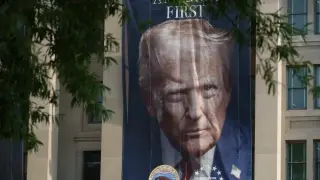
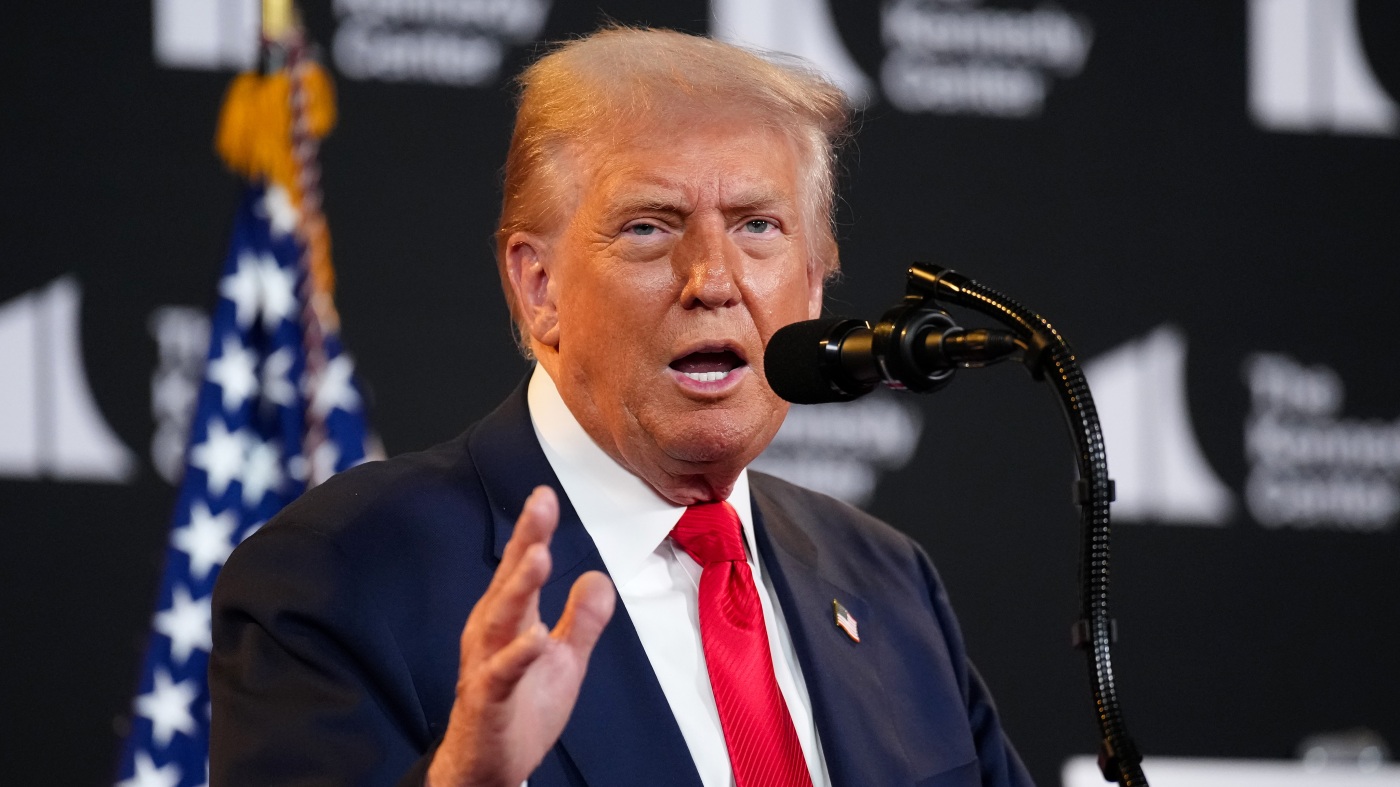
Rep. Jamie Raskin has introduced legislation requiring the Smithsonian to preserve artifacts from the Trump administration, including controversial signage and banners, as a permanent exhibit on authoritarianism. This move counters White House efforts to control the museum’s narrative through funding threats and executive orders.
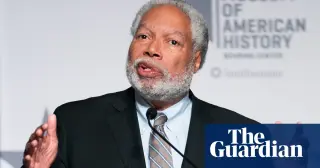
Lonnie Bunch, the outgoing Smithsonian secretary, defended the institution against accusations of political bias during a speech marking the 10th anniversary of the National Museum of African American History and Culture. Bunch, who announced his resignation in September, rejected claims that the museum’s staff are unpatriotic, arguing that truthful historical curation is an act of love for the country. His remarks follow a series of executive actions by the Trump administration, including a critical report labeling the museum as ideologically captured and threats to alter exhibits. A new legacy fund, seeded by a $3.5 million anonymous donation and a $1 million pledge from Shonda Rhimes, aims to protect the museum’s independence. The conflict highlights a deepening struggle over the Smithsonian’s role, with the administration seeking to impose conservative narratives while the institution maintains its commitment to independent scholarship.
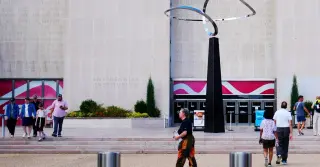
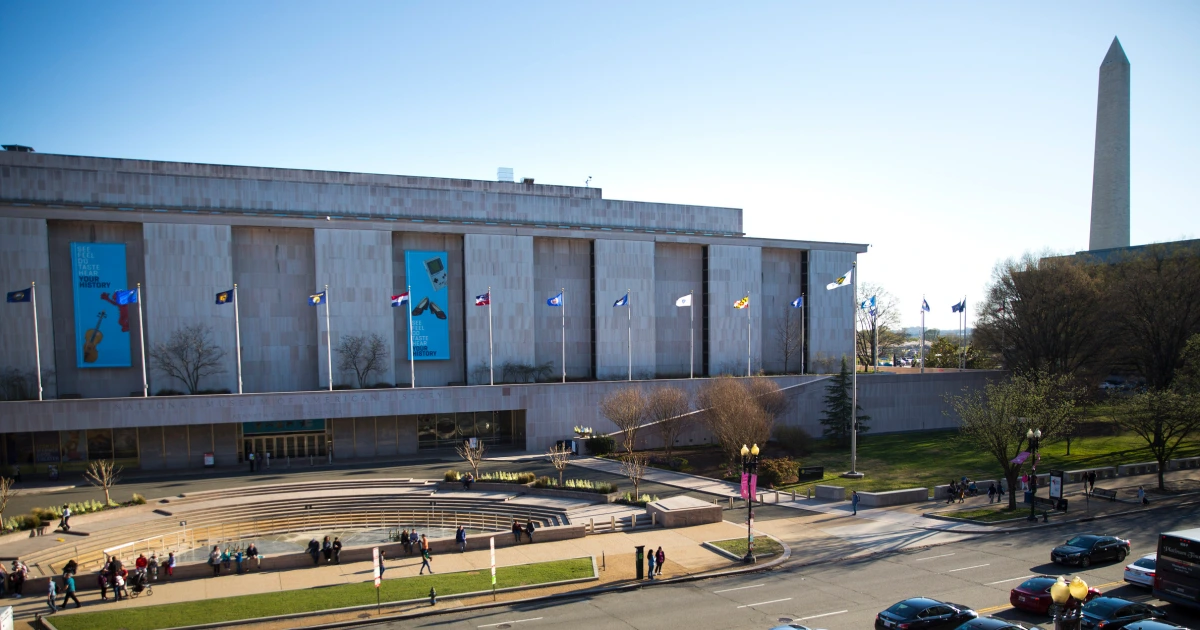
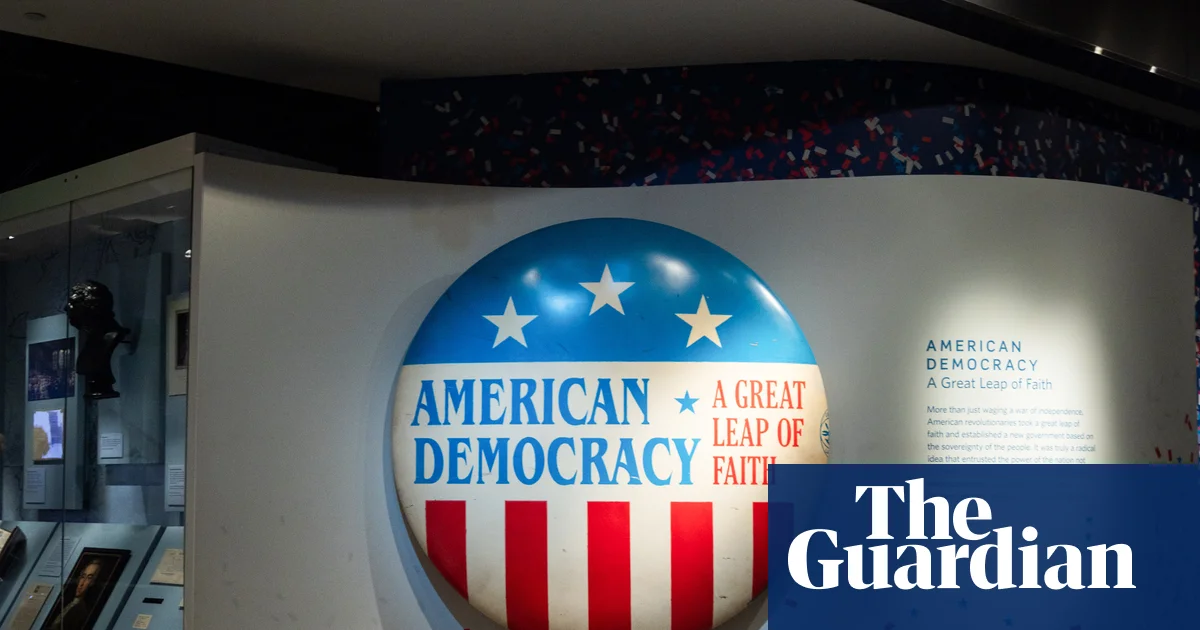
The Trump administration is moving forward with plans to install approximately 12 temporary warning signs outside the Smithsonian’s National Museum of American History. A September 3 letter from Interior Secretary Doug Burgum reveals the project will cost $84,000 and aims to alert visitors to what the White House describes as 'ideological bias' in the museum’s exhibits. While the physical structure is being prepared, the specific text remains undecided, with the administration criticizing current and outgoing leadership for perceived political activism.
The Trump administration is moving forward with a plan to install temporary warning signs outside the National Museum of American History. Interior Secretary Doug Burgum outlined the initiative in letters to senators, detailing a $84,000 cost for 12 signs intended to critique the museum’s historical narratives. While the exact text remains unconfirmed, the administration frames the move as a response to what it calls 'revisionist' history, intensifying ongoing conflicts over the institution’s independence and content.
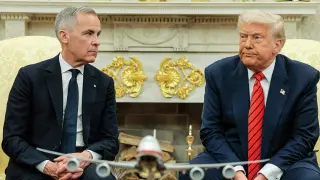
As Trump’s tariff fight with Canada intensifies, Canadian producers want Ottawa to revive the Online Streaming Act, which would force U.S. streaming platforms to subsidize Canadian film and TV. The plan was paused to secure a possible cross-border deal, but disputes over French-language content rules and Trump’s tariff threats have left it in limbo as Canada prepares retaliatory tariffs for Sept. 8. Proponents say the rules protect Canada’s cultural sovereignty; opponents argue they discriminate against American platforms.
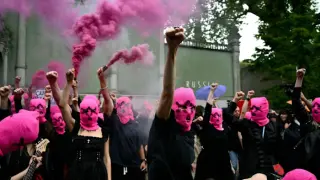
A letter argues that allowing Russia to participate in the Venice Biennale could breach EU sanctions if the pavilion is state-owned and provides indirect economic benefits, stressing that cultural institutions must align with legal instruments rather than claim neutrality; the issue is about distinguishing independent cultural expression from state-backed participation and preserving the credibility of European-funded platforms.
President Trump announced plans to review U.S. museums, starting with the Smithsonian, aiming to remove what he calls 'woke' content, particularly targeting representations of Black history. The move raises concerns about government interference in independent museums and free speech, with legal experts emphasizing the First Amendment protections. The review's scope, timeline, and legal basis remain unclear, but it signals a potential shift in how cultural and historical institutions are managed and funded under his administration.
The White House is reviewing Smithsonian museums to ensure their exhibits align with President Trump's vision of American history, focusing on promoting unity and removing divisive narratives, in preparation for the 250th anniversary of the United States.
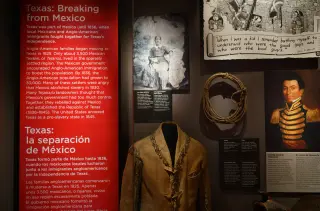
The Smithsonian Institution has removed all references to Donald Trump's two impeachments from a display at the National Museum of American History, replacing it with older content that omits his impeachments, amid broader efforts by Trump to influence federal cultural agencies and narratives about American history.
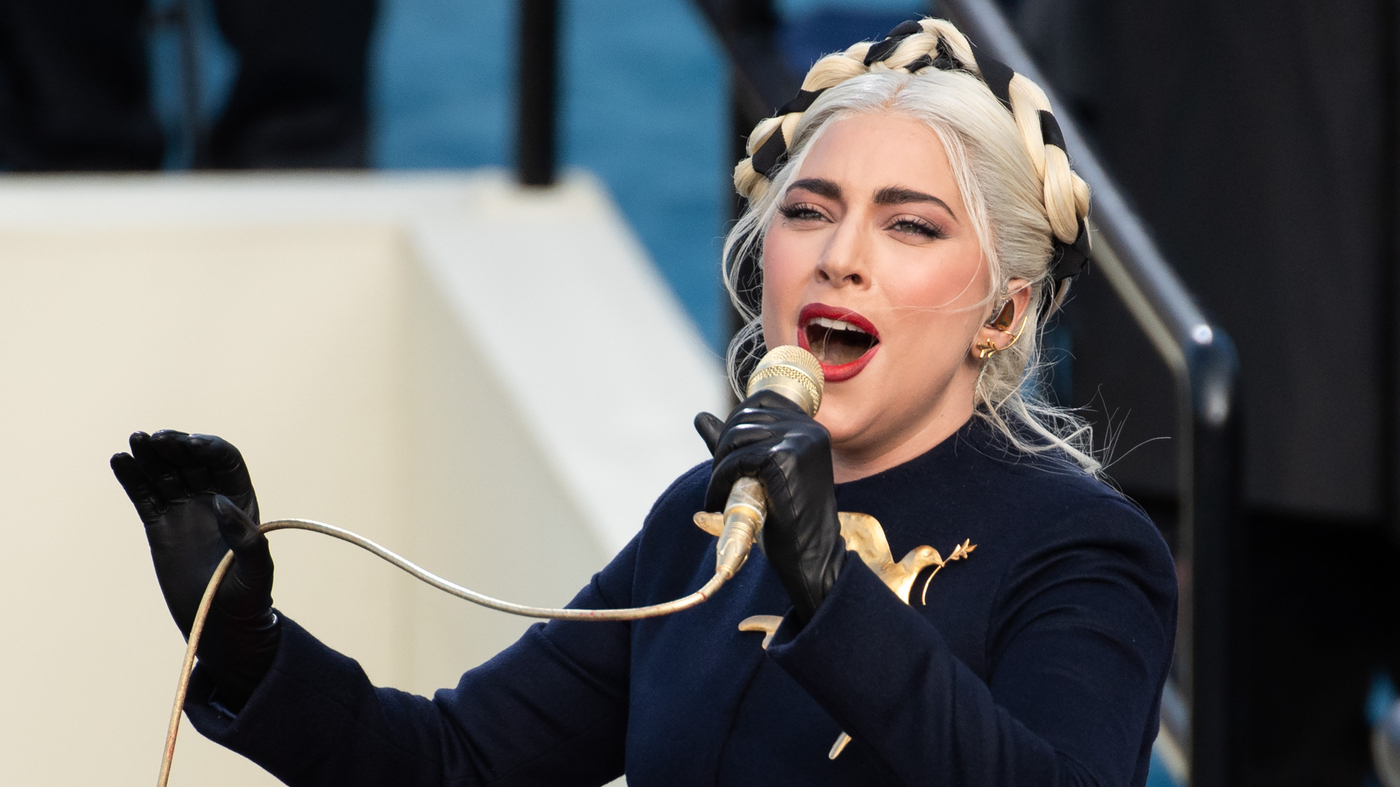
President Biden has appointed Lady Gaga, Shonda Rhimes, and George Clooney, among others, to co-chair the President's Committee on the Arts and the Humanities, which was dissolved under the Trump administration. The committee will advise the president on cultural policy, and its members were chosen for their "serious commitment to the arts and humanities." The move is part of a broader effort to restore arts programs after they were gutted under the former president.
Lady Gaga and producer Bruce Cohen have been appointed as co-chairs of the revived President’s Committee on the Arts and Humanities by President Joe Biden. The committee, which includes prominent artists, scholars, and philanthropists, serves as an advisory board to Biden on cultural policy. The committee is returning after a five-year hiatus, when the board disbanded during the Trump administration in protest of the former president’s response to the 2017 white supremacist rally in Charlottesville, Virginia.
Lady Gaga has been appointed as co-chair of President Joe Biden's Committee on the Arts and the Humanities, alongside Hollywood producer Bruce Cohen. The committee advises the President on cultural policy and aims to enhance federal support for the arts, humanities, and museum and library services. Gaga's Little Monsters reacted with pride and confusion to the news.