
Trump Administration Distributes $90 Medicare Rebates to 20 Million Seniors
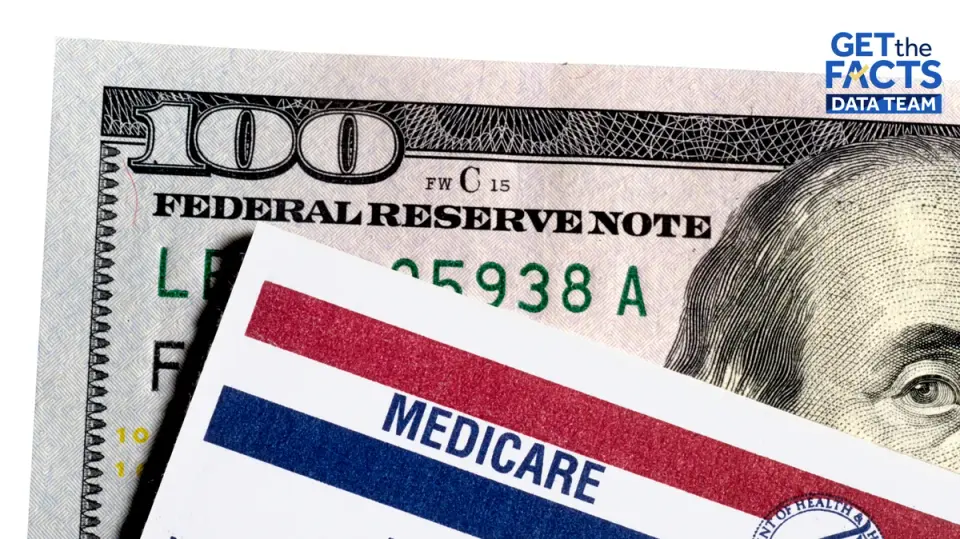
The Trump administration began distributing one-time $90 payments to approximately 20.8 million Medicare Part B enrollees on October 8, 2026. The funds, drawn from the $2 billion Medicare Improvement Fund, aim to offset rising premiums but exclude over 40 million beneficiaries, including those in Medicare Advantage and those receiving Medicaid assistance. Critics argue the move is an election stunt that provides minimal relief against steep premium hikes.
Key points
- Payments of $90 were issued via direct deposit or mail to eligible seniors starting October 8, 2026.
- The funds were diverted from the $2 billion Medicare Improvement Fund, established in 2008 for program improvements.
- Eligibility excludes individuals receiving Medicaid assistance, those paying income-related adjustments, and Medicare Advantage enrollees.
- The 2026 Medicare Part B premium is $202.90 monthly, meaning the $90 rebate covers less than half of one month's cost.
- Premiums are projected to rise by 6-7% annually for the next seven years, outpacing inflation and Social Security COLA adjustments.
Background
This distribution follows earlier announcements in early October 2026 regarding the diversion of the Medicare Improvement Fund. Previous coverage highlighted that while 20 million seniors receive the rebate, approximately 40 million other Americans are excluded due to specific eligibility criteria, including those in Medicare Advantage plans and those with Medicaid coverage. The timing of the payments, weeks before the November 3 midterm elections, has drawn scrutiny regarding political motivations.
How outlets are covering it
USA Today emphasizes the political context, noting the payments arrive less than a month before the midterm elections and framing the move as a 'giveaway' to counter voter anxiety over healthcare costs. The outlet highlights that Trump is financing the checks by diverting revenue from the Medicare Improvement Fund, a move criticized by Democrats as an 'election stunt.' WESH focuses on the practical impact, noting that while the $90 payment may offset the projected 2027 premium increase of $79.20, it does little to address the broader trend of rising healthcare costs. AP News provides the baseline facts of the distribution, confirming the number of recipients and the method of delivery, while noting the exclusions for Medicaid and Medicare Advantage enrollees. The outlets agree on the core facts but differ in emphasis: USA Today highlights the political timing and funding source, WESH focuses on the inadequacy of the rebate relative to rising premiums, and AP News provides a neutral overview of the distribution logistics.
Why it matters
The $90 rebate highlights the tension between federal healthcare funding and political strategy. By diverting funds from the Medicare Improvement Fund, the administration has prioritized direct consumer payouts over program operations, a move that may face legal and political challenges. The limited scope of the rebate, excluding over 40 million beneficiaries, underscores the fragmented nature of Medicare support and the growing burden of rising premiums on seniors. As premiums continue to outpace inflation and Social Security adjustments, the adequacy of such one-time payments in addressing long-term healthcare affordability remains a critical issue for voters and policymakers alike.
What to watch
The administration is expected to continue monitoring the distribution of the $90 payments, with some recipients receiving checks in late October. The impact of the rebate on voter sentiment in the November 3 midterm elections will be closely watched, particularly in battleground states like Michigan, North Carolina, and Georgia. Additionally, the legal and political implications of diverting the Medicare Improvement Fund may face scrutiny from Congress and the courts, potentially setting a precedent for future use of federal healthcare funds. The projected 6-7% annual increase in Medicare Part B premiums over the next seven years will continue to pressure seniors and policymakers to seek more sustainable solutions for healthcare affordability.
- Medicare’s $90 premium rebate is rolling out. How much will it offset rising healthcare costs? WESH
- Why millions of seniors are getting checks from the government Fox Business
- Trump's $90 payments are en route to 20 million seniors USA Today
- Trump announces $90 payments for seniors on Medicare ahead of midterm elections for premium costs AP News
- Trump's $90 Medicare rebate rolls out, but millions aren't eligible. Critics see a political stunt PBS
Want the full story? Read the original reporting
Read on WESH