
Trump avoids reimbursing federal funds for pro-presidency ads despite legal challenges
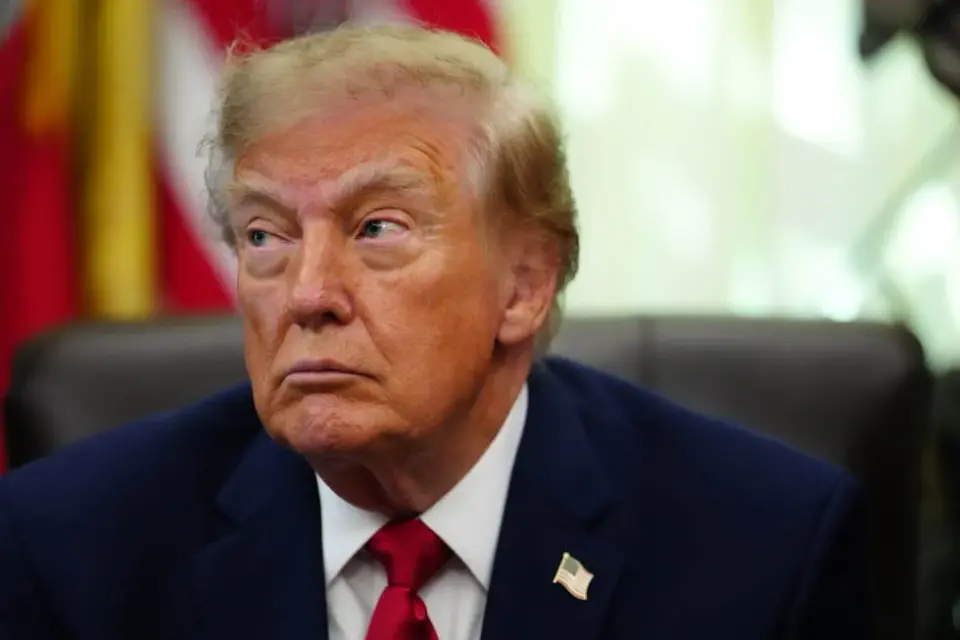
President Donald Trump has declined to reimburse the federal government for approximately $12 million in taxpayer-funded television advertisements aired ahead of the 2026 midterm elections. While he announced that his super PAC, MAGA Inc., will cover the costs of future promotional spots, White House officials confirmed that no refund will be issued for the initial airings. The ads, funded through a $20 million Department of Homeland Security contract, have drawn bipartisan criticism for violating federal propaganda laws. The Democratic National Committee has filed a lawsuit seeking to halt the use of public funds for political messaging, while the administration maintains the spots are standard public service announcements.
Key points
- Trump stated he would 'decide' on reimbursement but confirmed MAGA Inc. will pay for future ads, leaving the initial $12 million in federal spending unrecovered.
- The DNC sued the administration, alleging the ads violate the Hatch Act and federal propaganda laws by using taxpayer money for partisan political promotion.
- AdImpact estimates nearly $12 million has been spent on the ads, drawn from a $20 million allocation within the Department of Homeland Security budget.
- A new ad featuring Secretary of State Marco Rubio and Defense Secretary Pete Hegseth aired on October 6, days after Trump’s announcement to shift funding to his super PAC.
- Senate Minority Leader Chuck Schumer called for an investigation by the Government Accountability Office and Office of Special Counsel into the legality of the initial spending.
Background
This controversy follows a September 29 report that the Department of Homeland Security diverted $20 million in Customs and Border Protection funds to a budget category for 'One Big Beautiful Bill Commemorative Events.' Earlier coverage in early October noted that White House aide Natalie Harp played a central role in shaping the ad campaign, which included 13 distinct spots. The administration’s decision to shift future ad costs to MAGA Inc. was announced on October 6 after bipartisan backlash, but the refusal to reimburse past spending has intensified legal and political disputes ahead of the November midterms.
How outlets are covering it
AP News and ABC News report that Trump has no plans to reimburse the federal government for the ads already aired, with a White House official explicitly stating the president’s social media post did not refer to reimbursement. CNBC highlights that Trump told reporters he would 'decide' on the matter, while noting the super PAC has over $400 million in cash on hand. Politico emphasizes that the latest ad, featuring the capture of Venezuelan leader Nicolás Maduro, aired after the announcement, raising questions about whether it was already funded by taxpayers. The administration, including Vice President JD Vance, defends the ads as non-partisan public service announcements, while Democrats and ethics watchdogs argue they violate federal laws against using appropriated funds for political campaigns.
Why it matters
The unresolved issue of federal reimbursement sets a precedent for the use of taxpayer funds in election-year communications. If the courts rule the initial spending illegal, it could trigger significant legal and financial consequences for the administration. Furthermore, the dispute highlights ongoing tensions between the executive branch and Congress over campaign finance rules, potentially influencing voter perceptions of government integrity ahead of the midterms.
What to watch
The DNC lawsuit is expected to proceed through the federal court system, with potential rulings on the legality of the ads. The Office of Special Counsel and Government Accountability Office may launch investigations into the initial spending, as called for by Senate leaders. MAGA Inc. will continue funding future ads, but the administration may face further scrutiny if additional taxpayer-funded spots are discovered. The outcome of these legal and political challenges could impact the narrative surrounding the 2026 midterm elections.
- Live updates: Trump doesn’t commit to repaying federal funds already spent on controversial ads AP News
- Trump Does Not Plan to Reimburse Taxpayers for Promotional Ads The New York Times
- Trump will not reimburse federal government for taxpayer-funded advertisements Politico
- Trump hedges on paying back government for ads that already aired CNBC
- Trump says his super PAC will now pay for controversial taxpayer-funded promotional ads ABC News - Breaking News, Latest News and Videos
Want the full story? Read the original reporting
Read on AP News