
Trump Vows No Iran Strikes Before Midterms as Houthi Attacks Escalate in Saudi Arabia
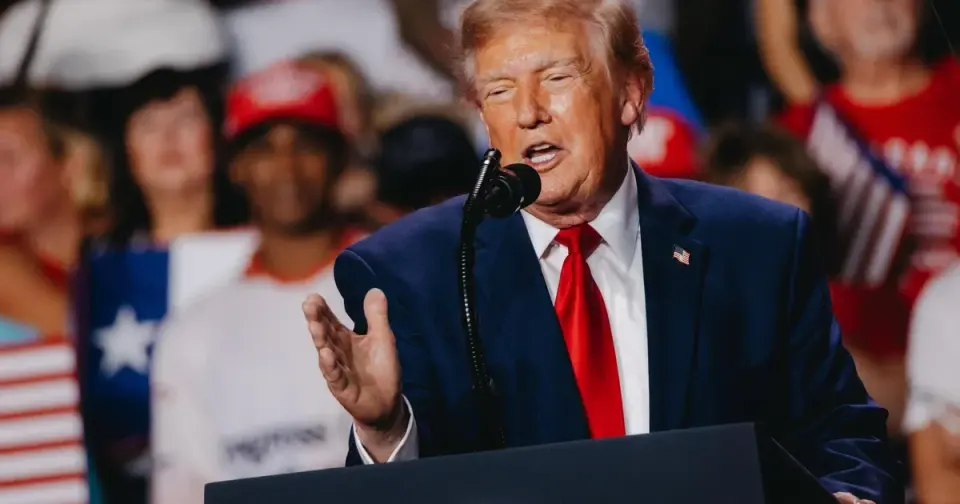
President Trump promised no US strikes on Iran before the November 3 midterms, contradicting reports of Pentagon preparations. Meanwhile, Houthi attacks on Saudi airports killed three people, and the US sanctioned 17 Iranian oil tankers. Rubio claimed Iran lost control of the Strait of Hormuz, while Tehran rejected nuclear concessions.
Key points
- Trump stated the US will not attack Iran before the November 3 midterms, despite The Atlantic reporting the Pentagon is preparing strike options to boost gas prices and voter confidence.
- Houthi forces targeted King Khalid International Airport in Riyadh multiple times this week, killing three people and damaging a kindergarten and medical complex from interception debris.
- The US Treasury sanctioned 17 vessels in Iran's 'shadow fleet' to cut off oil revenue, while Brent crude prices surged to $105 per barrel before dropping slightly on Trump's peace pledge.
- Secretary of State Marco Rubio declared Iran has lost control of the Strait of Hormuz and its economy is collapsing, but Iranian officials insist they will never give up nuclear enrichment rights.
- The USS Abraham Lincoln returned to San Diego after a 321-day deployment, having conducted 3,693 combat sorties and sinking 64 Iranian warships during the conflict.
Background
The conflict began in late February 2026 with US-Israeli strikes on Iran. Trump has repeatedly linked the war's end to the midterm elections, predicting oil prices would drop only after the vote. Previous archive coverage noted rising tensions and Trump's insistence that the war would end 'very soon' after the election, while polls showed broad disapproval of his handling of the conflict.
How outlets are covering it
The White House and State Department, via Rubio, portray Iran as militarily decimated and economically collapsing, with the Strait of Hormuz effectively under US control. Conversely, Iranian officials, including Foreign Minister Abbas Araghchi, describe negotiations as continuing through intermediaries but reject US nuclear demands, stating Tehran will never give up enrichment rights. The Atlantic reported that US strike preparations are driven by domestic political goals rather than military necessity, a view denied by the White House. Russian President Vladimir Putin offered support to end the war, highlighting shifting diplomatic alignments, while the Houthis escalated attacks on Saudi infrastructure, framing the conflict as a regional theater of war.
Why it matters
The escalation threatens global energy supplies and inflation, with oil prices nearing $105 per barrel. Houthi attacks on Saudi airports and oil facilities risk further destabilizing the region, while the US-Iran impasse over nuclear issues could prolong the conflict beyond the midterms. The return of the USS Lincoln and new sanctions signal continued US military and economic pressure, but the lack of a diplomatic breakthrough leaves the region vulnerable to renewed violence.
What to watch
Iran is expected to respond to US proposals within days, potentially through intermediaries. The US may resume strikes after the midterms if negotiations fail. Houthi attacks on Saudi infrastructure are likely to continue, with potential further escalations in the Strait of Hormuz. Oil prices may remain volatile, influenced by IEA reserve releases and geopolitical developments.
- Live Updates: Vance seems to soften Iran nuclear demands, Rubio says Tehran has "lost control" of Strait of Hormuz CBS News
- Rubio says Tehran missed 'multiple' chances for nuclear deal amid Iran stalemate CNBC
- Iran has ‘lost complete control’ of Hormuz Strait: Rubio Arab News
- Secretary Rubio Discusses President’s Strategy in Iran The Presidential Prayer Team
- Secretary of State Rubio: Iran has lost control of Strait of Hormuz despite increasing attacks Washington Times
Want the full story? Read the original reporting
Read on CBS News