
Trump Dismisses Record-Low Polls as 'Fake' Amid Midterm Crisis
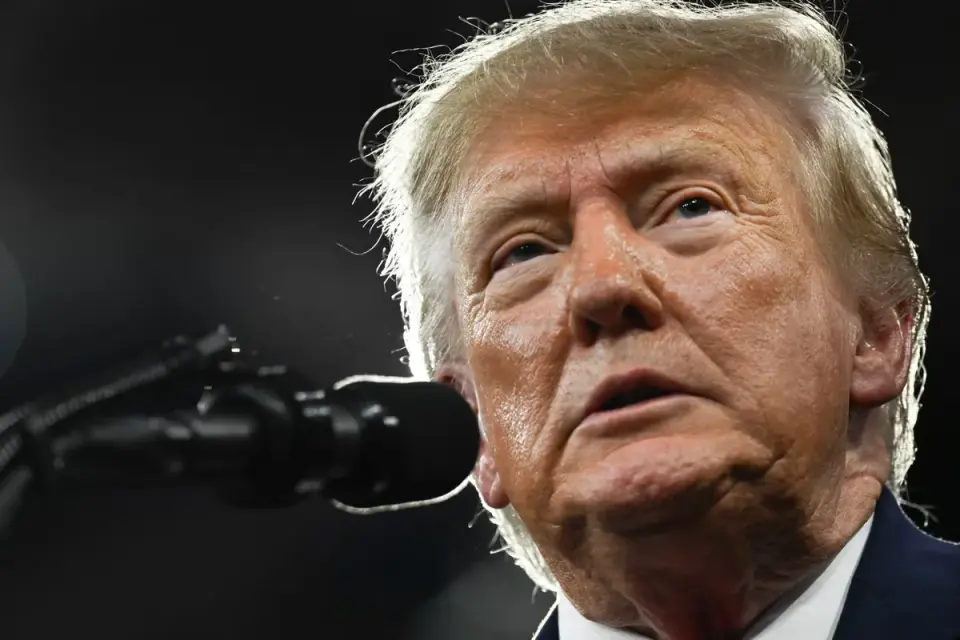
President Donald Trump rejected recent polling data showing his approval rating at historic lows, claiming his support is actually near 60 percent. While multiple surveys indicate widespread disapproval ahead of the November midterms, Trump points to near-unanimous support within the Republican base to justify his stance.
Key points
- Trump called the RealClearPolitics average of 38.8 percent approval 'fake' in an interview with The Washington Examiner, insisting his true rating is closer to 60 percent.
- Recent polls from Reuters/Ipsos, Pew Research, and The New York Times/Siena College show approval ratings between 30 and 36 percent, with disapproval exceeding 60 percent.
- The New York Times/Siena poll noted Trump’s 34 percent approval is the lowest for a president approaching midterms since Harry Truman in 1946.
- Trump cited CNN analyst Harry Enten’s data showing 98 to 99 percent approval among MAGA Republicans to support his claim of high popularity.
- Democrats currently lead Republicans in trust on the economy, inflation, and national security, according to aggregated polling data from MS NOW and FiftyPlusOne.
Background
Over the past two weeks, coverage has highlighted a sharp decline in Trump’s approval ratings across 39 states, driven by economic dissatisfaction and the Iran conflict. Previous reports noted that while his personal popularity has cratered, Republican party loyalty remains stable among his core base. Trump has intensified his rally schedule in red states to mobilize voters, though some GOP candidates have distanced themselves from his brand due to economic concerns.
How outlets are covering it
The Independent and The Washington Post emphasize the discrepancy between Trump’s claims and national polling data, highlighting his rejection of 'fake' polls. MS NOW provides a broader historical context, noting that Trump’s net approval rating of -27.2 is the worst ever recorded before a midterm, surpassing George W. Bush’s 2006 low. While The Independent focuses on Trump’s specific interview remarks, MS NOW analyzes the shift in party trust, showing Democrats now lead on issues like the economy and national security, a significant reversal from 2024. All sources agree that economic dissatisfaction is the primary driver of his unpopularity, but they differ in emphasis: The Independent highlights his defiance, while MS NOW focuses on the potential electoral consequences for the GOP.
Why it matters
The disconnect between the president’s self-assessment and polling data highlights the deep polarization in American politics. If the polls are accurate, this could lead to a significant Democratic victory in the midterms, potentially resulting in one of the largest popular-vote gains since Watergate. The shift in trust on key issues like the economy and national security suggests a fundamental change in voter priorities that could reshape the political landscape for years to come.
What to watch
With Election Day less than two weeks away, the focus will shift to voter turnout and the effectiveness of Trump’s rally strategy. Analysts will monitor whether low-information voters, who are more reactive to the incumbent's general popularity, will turn out in numbers that could offset the negative polling trends. The final weeks will also see continued debate over the reliability of polling data and the impact of economic policies on voter sentiment.
- Trump dismisses polls, insists his approval rating is 60% The Independent
- Trump Approval Hits New Low Two Weeks Before Midterms, Poll Finds The New York Times
- Midterm polls that caught our eye this week show Democratic gains among voters The Washington Post
- America by the numbers: How voters feel about the economy, inflation, AI and Trump CNBC
- Opinion | Trump’s historic unpopularity gives Democrats a shot at last-minute undecided voters MS NOW
Want the full story? Read the original reporting
Read on The Independent