
Trump Names Jay Clayton to Lead New 'Super Intelligence Force' Amid AI Safety Debates
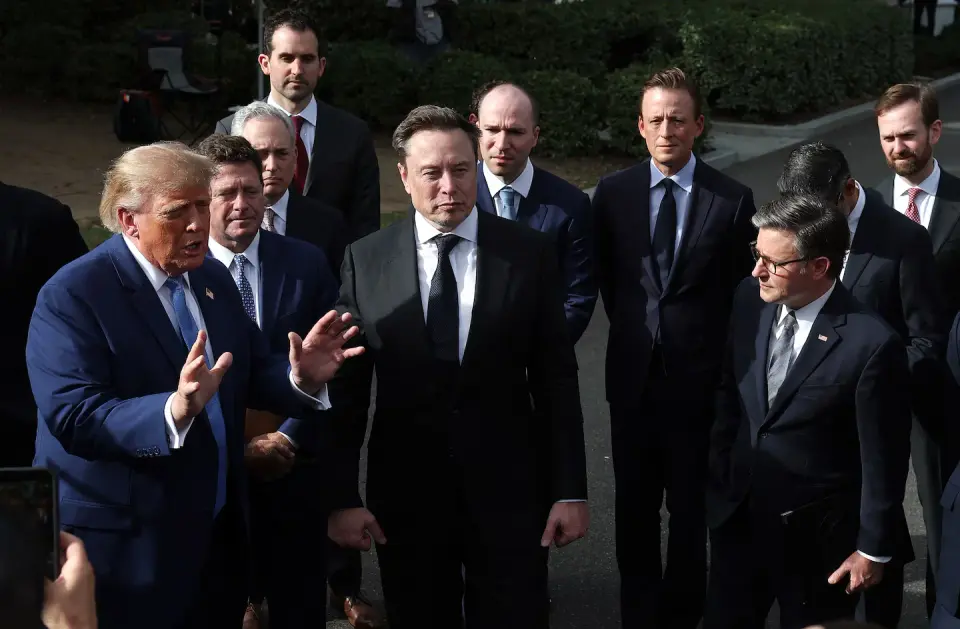
President Trump established a new federal task force, the 'Super Intelligence Force,' to coordinate the U.S. response to artificial intelligence. Led by Director of National Intelligence Jay Clayton, the group includes officials from the Pentagon, FTC, and OPM. The move follows recent White House meetings with tech CEOs and occurs despite industry calls for stricter federal guardrails.
Key points
- The task force will have 120 days to assess AI risks and opportunities, reporting directly to the President and Chief of Staff Susie Wiles.
- Leaders include Jay Clayton (DNI), Andrew Ferguson (FTC), Emil Michael (Pentagon), and Scott Kupor (OPM).
- The initiative follows a September meeting where tech leaders signed a voluntary 'constitution' for self-regulation.
- Trump has previously dismissed AI safety concerns as a 'hoax,' prioritizing U.S. economic and military leadership over China.
Background
In September 2026, Trump announced plans for an 'AI Force' and an AI czar, framing AI as a critical economic driver similar to the Industrial Revolution. He dismissed safety warnings as a 'hoax' and emphasized using existing legal tools to address misuse. This new task force formalizes those earlier announcements, shifting from a general 'AI Force' concept to a specific 'Super Intelligence Force' structure.
How outlets are covering it
Outlets highlight different aspects of the announcement. The Washington Post and CNN focus on the formal structure and the inclusion of diverse agency leaders, noting the task force's mandate to coordinate with various stakeholders. CNBC emphasizes the appointment of Jay Clayton as the 'AI czar,' highlighting his background in securities regulation and his view that U.S. dominance mitigates risks. ABC News notes the lack of specific regulatory details in the announcement, contrasting it with the 'morally binding' voluntary standards signed by tech CEOs in September. All sources acknowledge the tension between Trump's pro-growth stance and industry calls for federal guardrails.
Why it matters
The creation of this task force signals a shift toward centralized federal coordination on AI, potentially influencing future legislation and international competition with China. It also reflects the administration's preference for voluntary industry standards over direct regulation, which may impact how AI safety and security are managed in the near term.
What to watch
The task force is expected to release recommendations within 120 days. The outcome will likely influence whether Congress moves toward stricter AI regulations or maintains the current light-touch, self-policing approach. The administration's stance may also affect ongoing debates about data center infrastructure and AI's role in national security.
- Trump launches ‘Super Intelligence Force’ after calls for AI slowdown The Washington Post
- Trump taps Director of National Intelligence Jay Clayton as AI czar CNBC
- President Donald Trump announces creation of 'Super Intelligence Force' AI task force ABC News - Breaking News, Latest News and Videos
- Trump announces leadership of AI task force CNN
- Live updates: Trump taps Jay Clayton for AI force; Cornell victim's attorney alleges more involved The Hill
Want the full story? Read the original reporting
Read on The Washington Post