
Trump shifts to private funding for presidential ads after bipartisan backlash
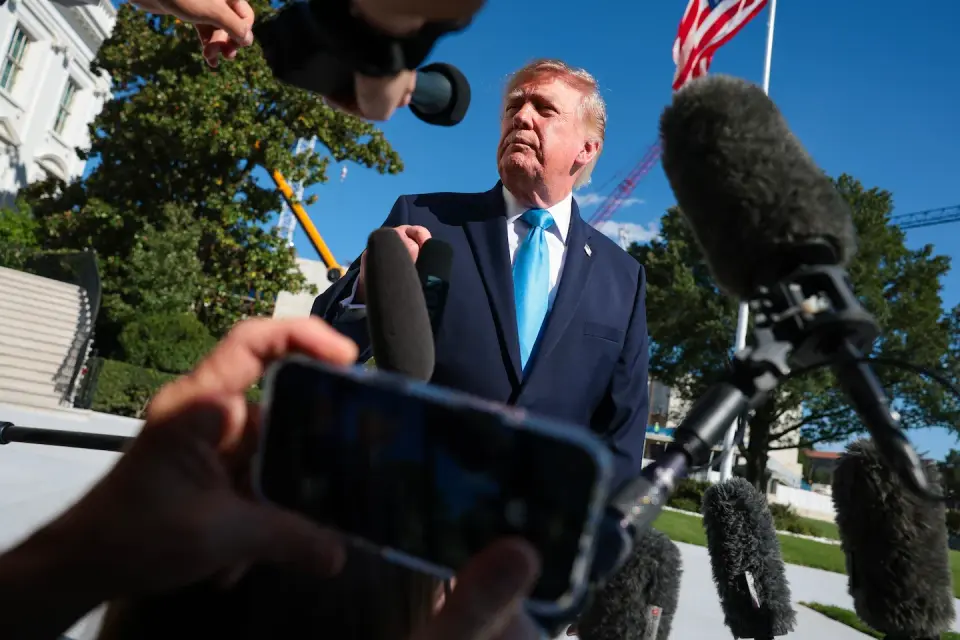
President Donald Trump announced on October 5 that he will no longer use taxpayer money for television ads promoting his administration, reversing a decision made after facing criticism from both Democrats and Republicans. He stated that he and his super PAC, MAGA Inc., will cover the costs of the 'Patriotic Ads' moving forward. The White House had previously defended the spots as educational public service announcements, but legal experts and lawmakers argued they violated laws prohibiting the use of federal funds for political propaganda. The ads, which included messages about tax cuts and law and order, were funded through a $20 million contract awarded to a Maryland-based agency, with senior Customs and Border Protection leaders reportedly excluded from the decision-making process.
Key points
- Trump pledged to pay for the ads personally and through MAGA Inc. after a week of bipartisan criticism.
- The White House previously defended the ads as non-political public service announcements, but critics called them illegal campaign propaganda.
- A $20 million contract was awarded to LMD Agency for the 'national media campaign,' with at least $10 million spent to date.
- Democratic Senator Maggie Hassan introduced a measure condemning the use of government funds, which was blocked by a Republican.
- Republican leaders, including Senate Majority Leader John Thune, also criticized the use of taxpayer dollars for the promotional spots.
Background
This development follows a week of intense scrutiny over the Trump administration's use of federal funds for advertising. Earlier reports indicated that White House aide Natalie Harp played a central role in shaping the campaign, which utilized money allocated for border security and officer memorials. The ads, which included a spot titled 'God Made Trump,' were produced in-house with Trump personally selecting imagery and audio. The controversy intensified as the November midterm elections approached, with critics arguing the spending violated appropriations laws designed to prevent the use of public money for partisan political messaging.
How outlets are covering it
The Washington Post and NBC News emphasized the bipartisan nature of the backlash, noting that even some Republicans, such as Senator John Kennedy and Senate Majority Leader John Thune, criticized the use of taxpayer funds. The BBC highlighted the legal questions surrounding the ads, citing legal ethics expert Margaret Dylus-Yukins, who questioned the legitimate government purpose of spending taxpayer dollars on ads that primarily promote the president. Politico focused on the specific funding mechanism, noting that Trump and MAGA Inc. would cover the costs, while also mentioning Democratic Representative Jamie Raskin's call for investigations into the misuse of public money. All outlets agreed that the White House had initially defended the ads as educational, but the shift to private funding was a direct response to the sustained criticism from both sides of the aisle.
Why it matters
The decision to shift to private funding for the ads highlights the ongoing tension between the executive branch and Congress over the use of federal resources for political purposes. It also underscores the potential legal and ethical implications of using taxpayer money for campaign-style advertising, particularly in the lead-up to midterm elections. The controversy may have broader implications for how future administrations approach the use of public funds for political messaging, and it could influence public perception of the Trump administration's handling of government resources.
What to watch
It remains unclear whether Trump or MAGA Inc. will reimburse the government for the ads that have already aired. The White House did not answer questions about this, and MAGA Inc. did not immediately respond to inquiries. The ongoing legal and ethical debates over the use of taxpayer funds for political advertising may continue to shape the political landscape in the lead-up to the November midterm elections. Additionally, the controversy could lead to further scrutiny of the Trump administration's use of federal resources for other purposes, and it may influence public opinion on the administration's handling of government spending.
- Trump reverses course, says he won’t use taxpayer money for campaign-style ads The Washington Post
- Trump says he will stop using US taxpayer funds for ads BBC
- Facing Backlash, Trump Says His Super PAC Will Pay for Taxpayer-Funded Ads The New York Times
- After bipartisan criticism, Trump says taxpayers’ dollars will no longer be used for TV ads promoting him NBC News
- Trump says he’ll pay for taxpayer-funded ads praising him after backlash Politico
Want the full story? Read the original reporting
Read on The Washington Post