
Trump urges Driscoll to stay through midterms as Hegseth’s purge hits 10% of top officers
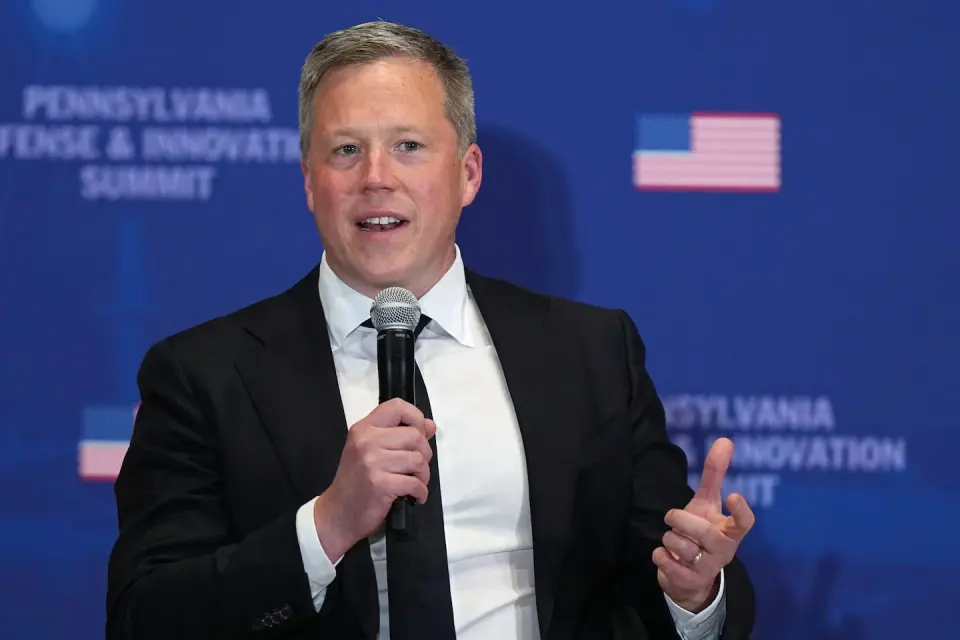
President Trump encouraged Army Secretary Dan Driscoll to remain in his post through the November midterms after Driscoll submitted his resignation. This move highlights a deepening rift between Driscoll and Defense Secretary Pete Hegseth, who has purged roughly 10% of senior military officers. While Driscoll focused on modernizing the Army for drone warfare, Hegseth prioritized cultural standards and fitness metrics, leading to the firing of key leaders like Gen. Randy George. The resignation leaves the Army without a confirmed chief of staff or secretary, raising concerns about readiness during the ongoing Iran war.
Key points
- Trump suggested Driscoll stay until the midterms to stabilize leadership.
- Hegseth has fired or blocked promotions for over 80 generals and admirals.
- Driscoll and Hegseth clashed over modernization versus cultural standards.
- The Army now lacks a confirmed chief of staff and secretary.
- Sen. Thom Tillis renewed calls for Hegseth’s removal.
Background
This resignation follows months of friction between Driscoll and Hegseth, including the firing of Army Chief of Staff Gen. Randy George in April. Our earlier coverage noted that Driscoll served since February 2025 and left amid disputes over Hegseth’s leadership style. The departure occurs six months into the Iran war, a conflict that has strained military resources and leadership stability.
How outlets are covering it
The Washington Post emphasizes Trump’s direct intervention to keep Driscoll in office, framing it as support for a leader who clashed with Hegseth. CNN and The New York Times focus on the operational impact, noting that Hegseth’s focus on 'culture wars' and fitness standards has disrupted modernization efforts, particularly regarding drone warfare. CNN sources describe Hegseth as 'disrupting' progress by firing officers like Gen. Christopher Donahue and Gen. David Hodne. The New York Times quantifies the purge, stating Hegseth has targeted over 80 officers, hitting 10% of top ranks. Politico highlights the political fallout, with Sen. Thom Tillis calling Hegseth’s management 'inept' and demanding his ouster. While Driscoll publicly thanked Hegseth in a post, sources indicate they had not spoken for some time prior to the resignation.
Why it matters
The leadership vacuum in the Army could hinder adaptation to modern threats like drone warfare, especially during the ongoing Iran war. The conflict between modernization and cultural standards within the Pentagon may affect recruitment, morale, and strategic readiness. Furthermore, the timing of Driscoll’s potential retention through the midterms suggests the administration is prioritizing political stability over immediate personnel changes, potentially delaying necessary reforms in military leadership.
What to watch
The White House and Pentagon have not confirmed Driscoll’s final decision to stay or leave. The Senate confirmation process for Gen. Christopher LaNeve as Army Chief of Staff remains uncertain, with sources suggesting he lacks the necessary votes. The administration may face continued pressure from Congress, particularly from Republicans like Tillis, to address leadership gaps. The outcome of the November midterms will likely influence whether Driscoll remains in his role or if a new secretary is appointed.
- Trump encouraged Army secretary to stay in job The Washington Post
- Driscoll breaks silence after resigning as Army secretary The Hill
- Tillis renews calls for Hegseth’s ouster politico.com
- Pete Hegseth’s culture war fixation disrupting Army progress, sources say CNN
- Hegseth Targets 7 More Officers as His Frustrated Army Secretary Quits The New York Times
Want the full story? Read the original reporting
Read on The Washington Post