
Trump Orders Legal Drafts to Let Ranchers Bypass USDA Meat Inspections
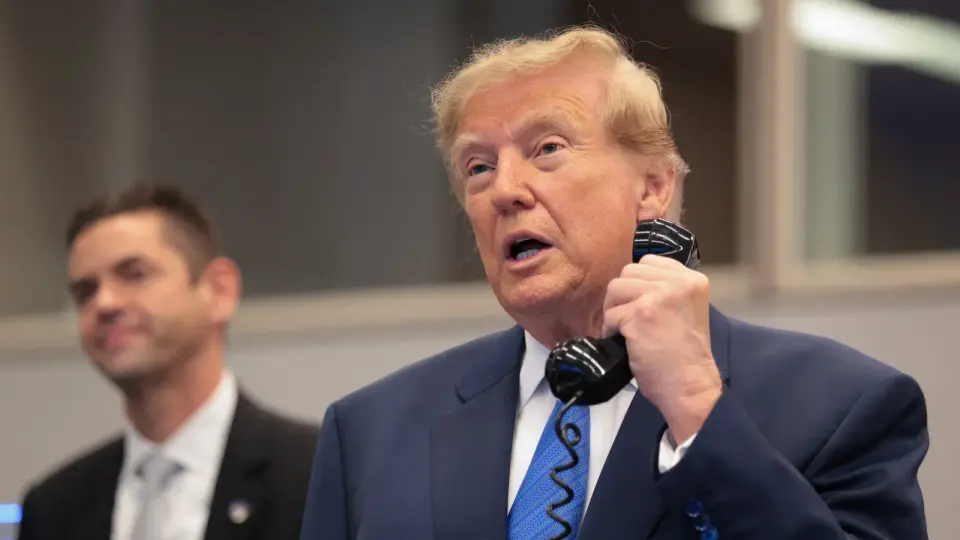
President Donald Trump announced on August 28 that his administration will draft legal measures to allow farmers and ranchers to process their own meat, bypassing USDA-inspected facilities. The move, prompted by a Wednesday interview with Glenn Beck, aims to counter the dominance of the four major meat processors and address rancher backlash over recent beef import tariff waivers. Agriculture Secretary Brooke Rollins confirmed upcoming announcements to deregulate the sector, though legal experts note that existing federal laws and stalled congressional bills complicate the implementation of such changes without new legislation.
Key points
- Trump posted on Truth Social on August 28, authorizing legal documents to grant ranchers the right to process their own food, citing a 'nasty monopoly' by four major companies.
- The initiative followed a Wednesday interview where Glenn Beck urged Trump to 'break the back' of meat processing regulations, claiming inspections are 'insane' and hinder ranchers.
- Four companies—Cargill, Tyson Foods, JBS USA, and National Beef Packing Co.—control approximately 85% of U.S. meat processing, according to USA Today.
- Agriculture Secretary Brooke Rollins announced upcoming steps to waive red tape, expand cross-state sales, and support small processors, starting Monday.
- The 1906 Federal Meat Inspection Act currently requires all meat sold in the U.S. to be processed in USDA-inspected facilities, limiting ranchers to personal use for self-processed meat.
- Rep. Thomas Massie, R-Ky., criticized the move as insufficient, arguing that the PRIME Act, which would exempt custom slaughter facilities from federal inspections, is the necessary legislative solution.
Background
This development follows a series of recent tensions between the White House and agricultural stakeholders. In late August 2026, Trump signed an executive order to temporarily ease tariffs on foreign ground beef to lower grocery prices, a move that sparked backlash from ranchers in red western states. Senators from Nebraska, Montana, and Wyoming voiced opposition, arguing that imported beef at a 25% discount undermines domestic prices. Prior to the August 28 announcement, the administration had already allocated $60 million to bolster small meat processors and initiated an investigation into anti-competitive practices by the 'Big Four' packers. The current push for regulatory relief is part of a broader effort to stabilize the beef market ahead of the 2026 midterm elections.
How outlets are covering it
Outlets differ on the feasibility and novelty of Trump’s plan. USA Today and The Washington Post highlight the direct link to Glenn Beck’s interview and the lack of clarity regarding which executive authority Trump will invoke, noting that existing federal law poses a significant obstacle. Politico emphasizes that sweeping changes likely require congressional action or a longer regulatory process, pointing to the stalled PRIME Act, which has bipartisan support but faces opposition from agriculture groups citing food safety concerns. National News Desk frames the move as a response to the 'Big Processors' monopoly but notes that smaller ranchers are already permitted to process meat for personal use, with the primary barrier being the sale of meat 'by the cut.' Rep. Massie, a rival of Trump, dismissed the executive action as a 'nothing-burger,' arguing that the real solution lies in passing the PRIME Act to allow direct sales without USDA inspections.
Why it matters
The proposed changes could fundamentally alter the U.S. meat supply chain by reducing reliance on a handful of large corporations and potentially lowering costs for consumers. However, the move risks creating regulatory gaps in food safety if implemented without congressional approval. The outcome will determine whether the administration can effectively address rancher grievances and stabilize beef prices without triggering legal challenges or public health concerns. It also signals a shift in agricultural policy that may influence future farm bills and trade negotiations.
What to watch
The administration is expected to release 'big announcements' on Monday regarding the specific regulatory changes, including waivers for red tape and expanded support for small processors. The White House and USDA have not yet clarified the timeline or the specific legal mechanisms for bypassing USDA inspections. Congress may need to act on the PRIME Act if executive orders prove insufficient to achieve the desired regulatory changes. The administration will also continue to monitor the impact of the beef import tariff waivers on domestic prices and rancher profitability.
- Trump vows to break meat processing 'monopoly' after push from Glenn Beck USA Today
- Trump suggests cattle ranchers could bypass USDA-inspected meat plants The Washington Post
- Trump vows legal order to break up 'nasty monopoly' in food processing Reuters
- Trump looks to ease beef processing regulations Politico
- Trump moves to let farmers, ranchers process their food National News Desk
Want the full story? Read the original reporting
Read on USA Today