
Trump’s 60-Post Weekend Blitz Uses AI to Project Warrior Image
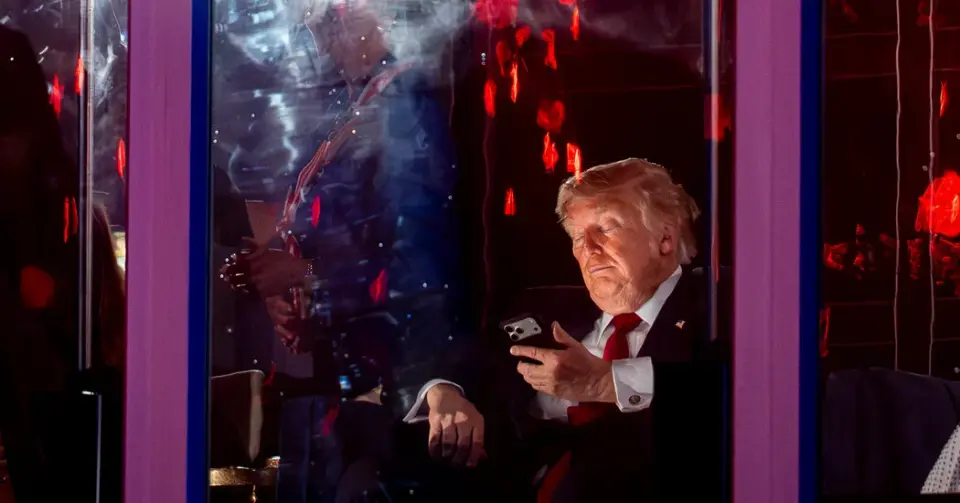
President Donald Trump posted 60 messages over 10 hours on a holiday weekend, utilizing AI-generated imagery to project a militaristic and ego-driven persona. The New York Times analysis suggests this high-volume output reflects a shift from simple id expression to a curated, visual manifestation of how the president wishes to be perceived, including as a conqueror and historical figure.
Key points
- Trump published 60 posts in 10 hours and 41 minutes during a holiday weekend, a pattern described as a growing weekend habit.
- The content included AI-generated images of Trump intimidating Canada’s Prime Minister Mark Carney with a hockey stick, bombing targets, and patrolling with killer robots.
- Visuals also featured maps depicting the U.S. taking over other countries and renaming states, alongside self-praise as the 'Greatest President of All Time.'
- Critics argue the feed now serves as a barometer of the president’s mental state and a window into a reality anchored in ego rather than fact.
- The use of AI has made the social media presence more visceral and visual compared to previous years, emphasizing a warrior archetype.
Background
This activity follows recent legal and ethical scrutiny regarding Trump Media’s Truth API, which faced lawsuits over paid early access to presidential posts. Additionally, the administration recently faced backlash after the Education Department deleted a post that critics argued equated Trump with Adolf Hitler, highlighting ongoing controversies surrounding the administration’s digital communications and messaging standards.
Why it matters
The shift to AI-generated, high-frequency content signals a new era of presidential communication where visual propaganda and ego-centric narratives may overshadow factual reporting. This trend raises concerns about the reliability of official channels and the potential for misinformation to be embedded in the president’s primary public interface.
What to watch
Observers will likely monitor whether this high-volume, AI-assisted posting becomes a standard feature of the administration’s communication strategy, particularly during weekends when traditional media coverage may be thinner. Legal challenges regarding the monetization and exclusivity of presidential communications may also continue to evolve in response to these digital tactics.
Want the full story? Read the original reporting
Read on The New York Times