
Commerce Secretary Lutnick claims $5,000 dividend will not use tax money, citing visa fees and Intel gains
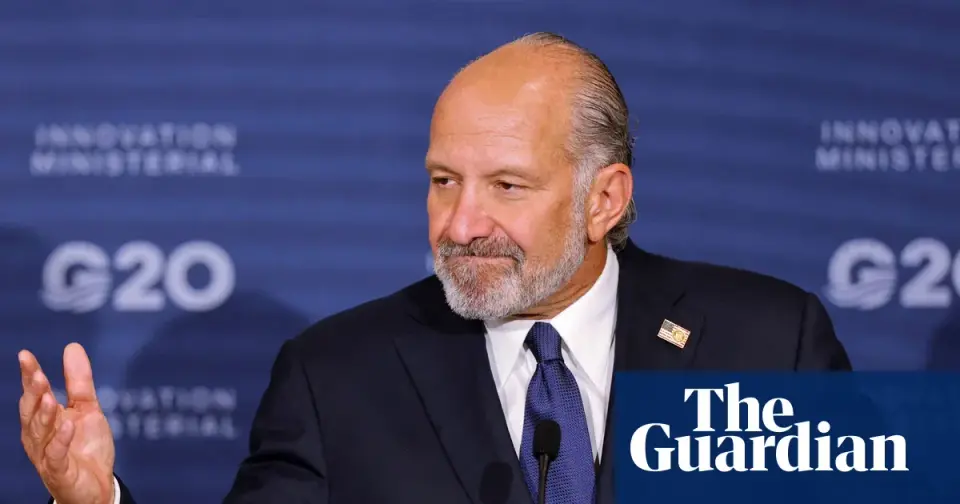
Commerce Secretary Howard Lutnick stated that Trump’s proposed $5,000 dividend for all adults would not be funded by tax revenues, instead citing potential income from a new visa program and appreciated Intel stock. While the administration claims the plan is fiscally responsible, critics and some allies argue the $1 trillion cost is unfeasible given the $40 trillion national debt and conflicting funding proposals from other officials.
Key points
- Lutnick told NBC News the dividend would not come from taxpayers or the deficit, suggesting funds could come from a 'Trump Platinum Card' visa program and gains on the government's Intel investment.
- The proposal, announced by Trump at the Republican convention, would cost approximately $1 trillion to $1.3 trillion if paid to all US adults.
- Other officials offered conflicting funding sources, with Kevin Hassett citing a congressional reconciliation process and JD Vance pointing to tariff revenues, which the Tax Foundation says are insufficient.
- The plan faces criticism for being fiscally irresponsible, especially as the US national debt recently surpassed $40 trillion and the budget deficit approaches $1.8 trillion.
- Polling shows only 32% of Americans approve of Trump’s economic handling, with many viewing the dividend as a political bribe rather than a viable policy.
Background
This proposal follows earlier, unfulfilled promises by Trump to issue cash payments, including a 'DOGE dividend' and tariff rebates. The current plan is contingent on Republicans maintaining control of Congress in the November midterms, a condition that has drawn scrutiny from analysts who note the party already holds both chambers. The announcement comes amid rising inflation and public frustration with the administration's economic policies.
How outlets are covering it
The Guardian and NBC News highlight Lutnick’s specific claims about non-tax funding sources, such as visa fees and Intel stock appreciation, while noting that the Intel gain is currently unrealized. CNN reports that the proposal blindsided many administration officials, leading to an internal scramble to define logistics, with some allies calling it a 'bread-and-circus' bribe. The Atlantic argues the plan is constitutionally dubious and logically inconsistent, questioning why the payment is tied to an election outcome if the president claims he can bypass Congress. While Lutnick and Hassett present the plan as fiscally responsible, the Tax Foundation and budget watchdogs argue that tariff revenues are insufficient and that deficit financing would worsen inflation and interest rates.
Why it matters
The $5,000 dividend proposal represents a significant fiscal gamble ahead of the midterm elections. If implemented, it would add over $1 trillion to the federal deficit, potentially exacerbating the already record-high $40 trillion national debt. The conflicting explanations from administration officials regarding funding sources highlight the lack of a concrete plan, while the proposal’s timing suggests it is primarily a political strategy to counter low economic approval ratings rather than a sustainable economic policy.
What to watch
The administration must clarify the funding mechanism for the dividend, potentially through congressional reconciliation or new revenue streams like the proposed visa program. Republicans will need to navigate the proposal through Congress, a process that may face resistance from fiscally conservative lawmakers. The outcome of the November midterms will determine if the proposal has any chance of implementation, though many experts doubt its feasibility regardless of the election result.
- Taxes wouldn’t fund $5,000 Trump ‘dividend’ if Republicans win midterms, says commerce secretary The Guardian
- Lutnick says Trump’s $5,000 checks for Americans wouldn’t rely on taxpayer funds NBC News
- Trump officials scramble to manage fallout after his $5K check pledge to all Americans CNN
- Trump’s Convention Promises Face Tough Road Even If GOP Wins Bloomberg.com
- Trump Will Never Mail the $5,000 Checks The Atlantic
Want the full story? Read the original reporting
Read on The Guardian