
Trump’s Midterm Blitz Starts in Red States as GOP Fears 'Net Negative' Impact in Swing Races
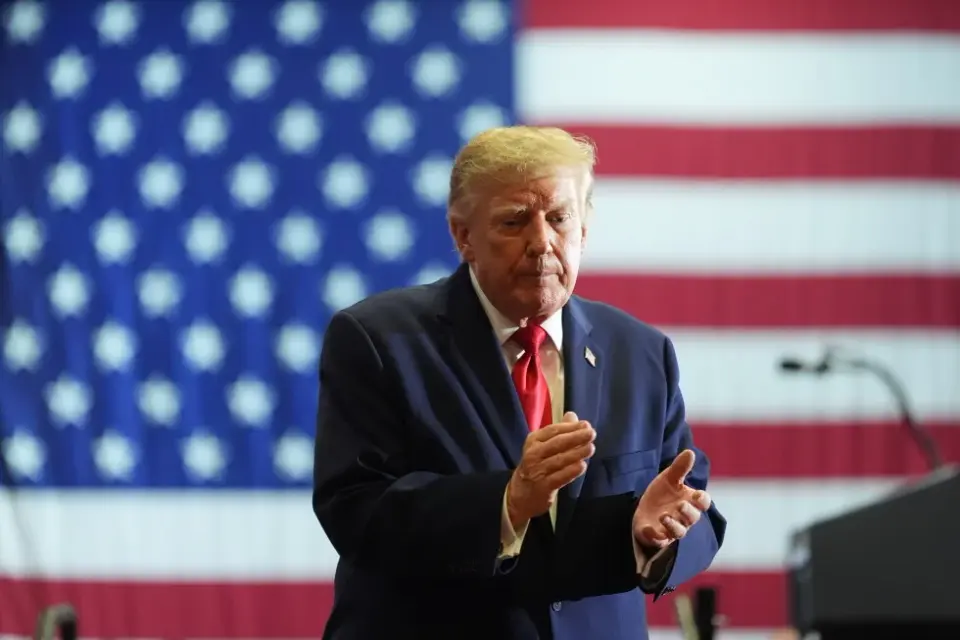
President Trump and VP Vance launched an intensive 17-state campaign tour starting in friendly red states like Texas and Oklahoma, avoiding swing districts where their presence may hurt candidates. Trump blamed Biden for inflation, while Democrats called the effort a desperate rally against economic headwinds.
Key points
- Trump and Vance began a near-daily campaign sprint, visiting Texas, Oklahoma, and Florida to support GOP candidates like Ken Paxton and Byron Donalds.
- The White House strategy avoids competitive swing states, fearing Trump’s presence could alienate moderate voters and hurt Republican candidates.
- Trump blamed former President Biden for inflation and affordability issues, while Democrats accused the administration of causing economic turmoil through the Iran war.
- Republican officials in swing states have distanced themselves from Trump on issues like AI data centers and the Iran conflict, signaling internal party tensions.
- The tour includes stops in 17 states, with Trump promising to campaign in the 35 most competitive races before the November 3 elections.
Background
This follows a period of primary losses for Trump-endorsed candidates and growing intra-GOP friction over immigration and AI policy. Earlier in 2026, Trump pledged heavy support for Texas AG Ken Paxton and Oklahoma governor Mike Mazzei, while Florida Republicans began breaking with him on immigration enforcement. The current blitz marks a shift from international diplomacy to domestic campaigning as the midterms approach.
How outlets are covering it
AP News emphasizes the logistical details of the tour, including Trump’s motorcade to Oklahoma and his focus on blaming Biden for inflation. NBC News highlights the scale of the 17-state travel plan aimed at preserving the GOP majority. MS NOW focuses on the strategic decision to avoid swing states, noting that some Republicans in competitive races are actively distancing themselves from Trump on issues like AI data centers and the Iran war. Democrats, via the DNC, frame the campaign as a desperate attempt to rally the base amid economic struggles.
Why it matters
The strategy of avoiding swing states reflects a broader concern that Trump’s presence may hurt GOP candidates in competitive races. This could impact the outcome of key Senate and governor races, potentially affecting the balance of power in Congress and state legislatures. The internal GOP tensions over policy issues like AI and immigration may also influence voter sentiment in the midterms.
What to watch
Trump is expected to continue campaigning almost daily, with upcoming stops in Ohio and Nebraska. The White House will likely adjust the tour based on candidate performance and voter sentiment, potentially including more swing states if the strategy proves effective. The outcome of the November 3 midterms will determine whether the GOP maintains its majority in Congress.
- Trump and Vance hit the campaign trail in deep-red areas where GOP candidates seek a boost apnews.com
- White House plans travel for Trump in at least 17 states ahead of the midterms NBC News
- Watch live: Trump takes midterm campaign push to Oklahoma The Hill
- Election Updates: Trump and Vance Visit Red States as Republicans Face Tough Midterm Odds The New York Times
- ‘A net negative’: Why Trump’s midterm blitz is starting far from the battlegrounds MS NOW
Want the full story? Read the original reporting
Read on apnews.com